


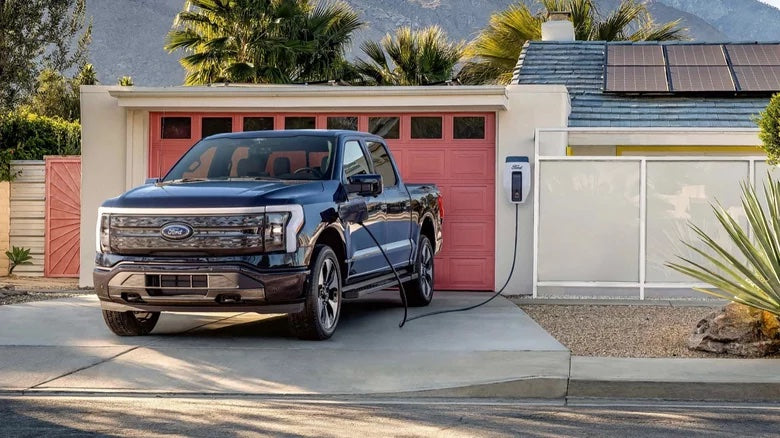
A 28-year-old EV driver reflects on nearly two years using only Level 1 charging in San Diego, highlighting slow speeds, high power costs and frequent reliance on expensive public fast chargers.

Blog
- All
- Autonomous Vehicles
- Basic Introduction
- Battery Tech
- Buying Guide
- BYD
- Cadillac
- Charging
- China
- Elon Musk
- Ferrari
- Ford
- HOA
- Hyundai
- ICCU
- Industry Outlook
- Kia
- Mazda
- Mercedes-Benz
- Model Comparisons
- Monthly EV Lease Deals
- Monthly EV Recommendation
- NEMA Plug
- Policies & Incentives
- Range
- Renault
- Repair & Maintenance
- RIVIAN
- Road Trip
- Sales
- Solar
- Subaru
- Tesla
- Toyota
- User Guide
- Volkswagen
- Volvo
- Xiaomi

Which EV Charging Networks Do Drivers Trust Most?
Escalent’s survey of 209 EV owners finds all major U.S. charging networks scored higher in real-world reliability than drivers expected, with Tesla leading and overall satisfaction strong.
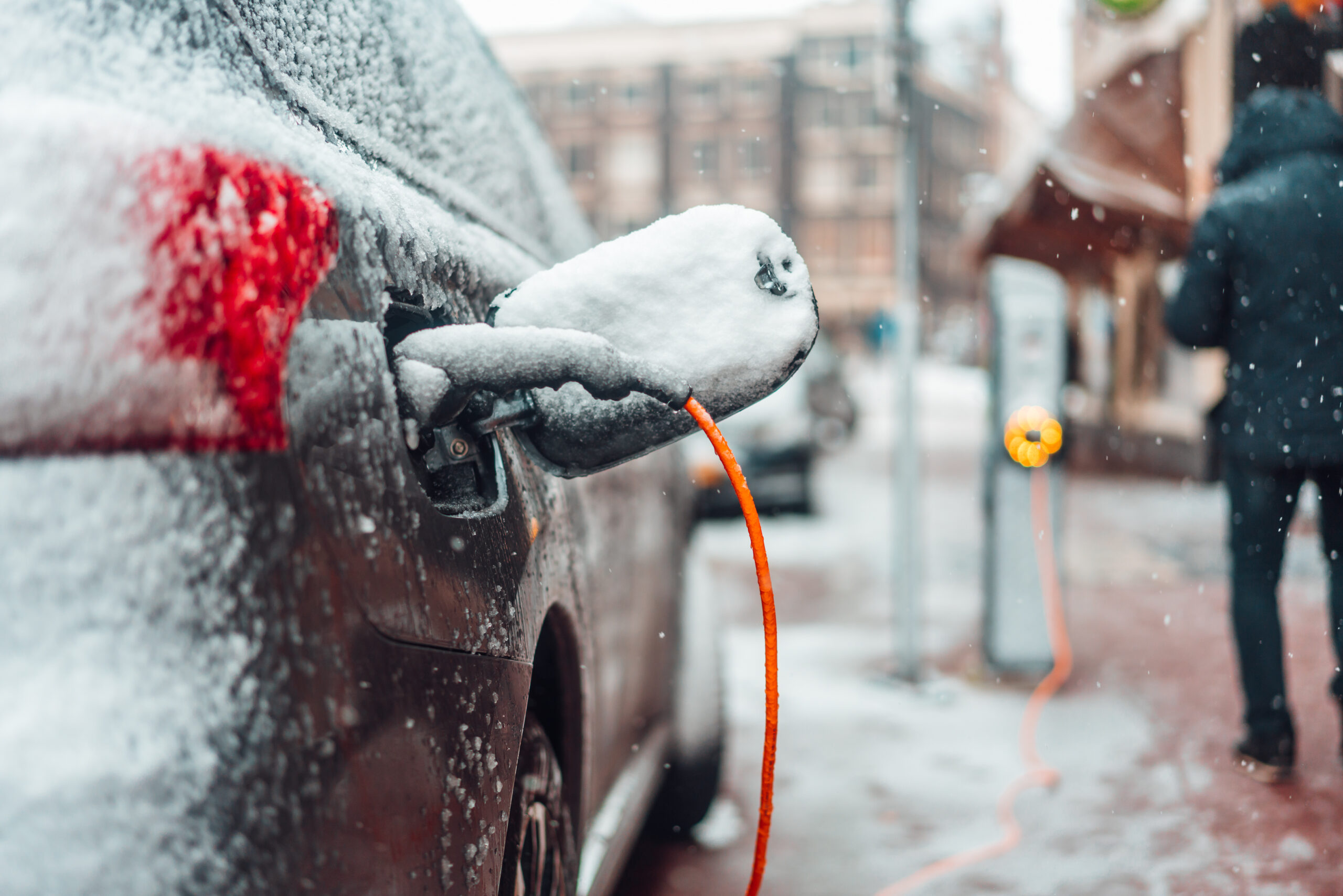
How to Prepare Your EV for Winter Storms: Practical Tips Every Owner Should Know
Winter storms can reduce EV range and charging speed, but proper preparation makes a major difference. This guide explains how cold affects EVs and offers practical tips for charging, preconditioning, traction, and winter safety.
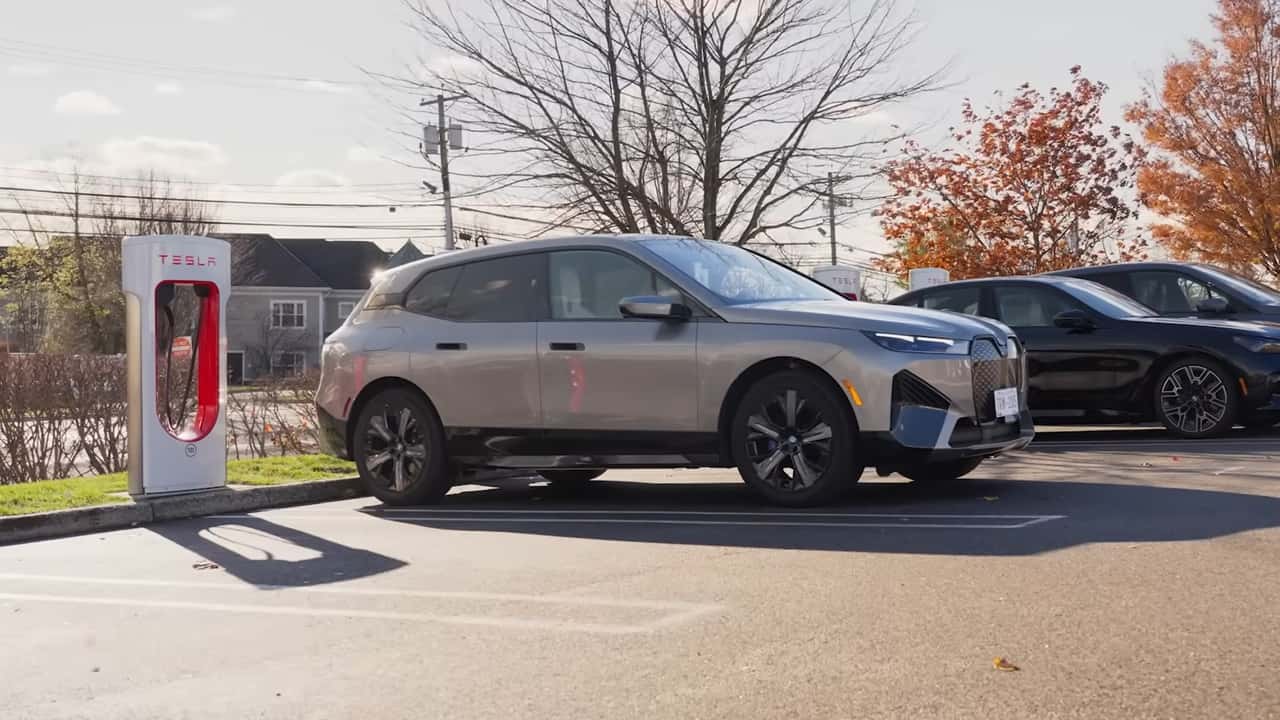
Fast Charging and EV Battery Health: What the Data Really Shows
New data suggests frequent use of high-power fast chargers above 100 kW can increase EV battery degradation over time. However, built-in protections and balanced charging habits help most drivers avoid serious long-term impact.
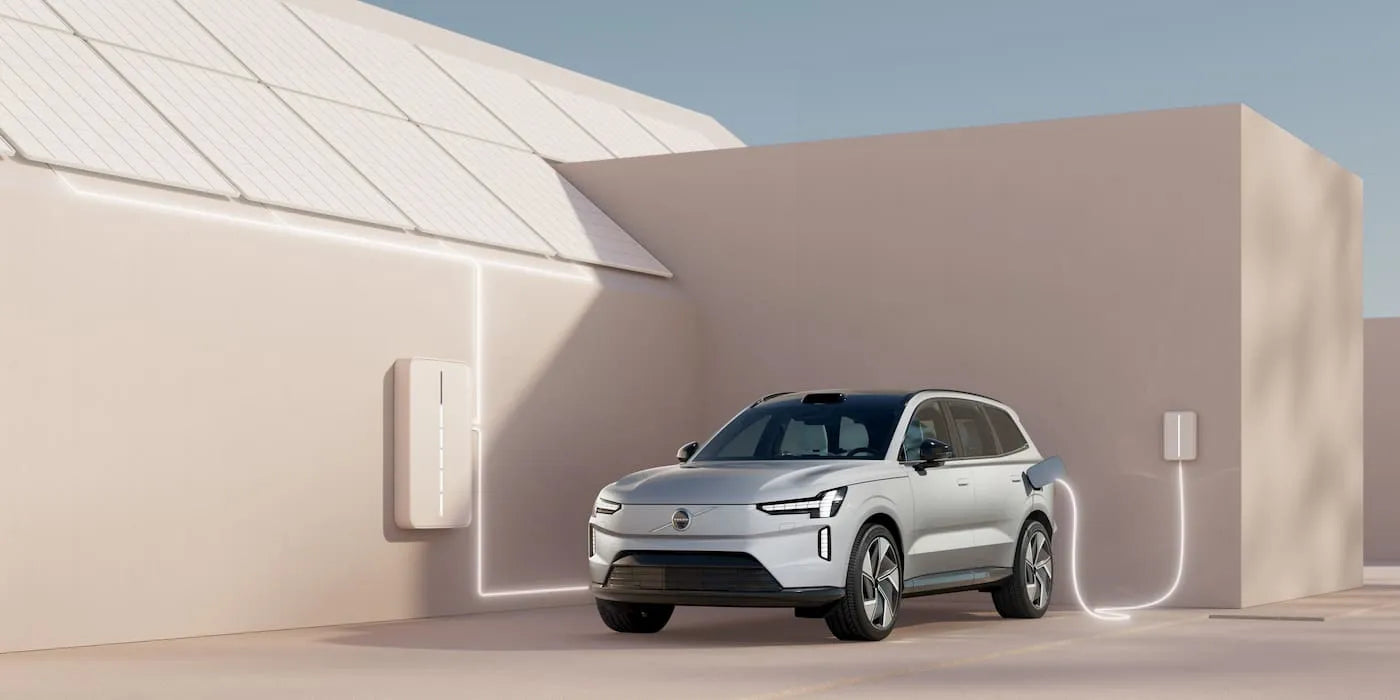
Introduction Electric vehicle charging has become increasingly diversified, with drivers choosing between Level 1, Level 2, and DC fast charging depending on their needs. However, one question appears again and again among new EV owners: “Is Level 1 charging enough?”...
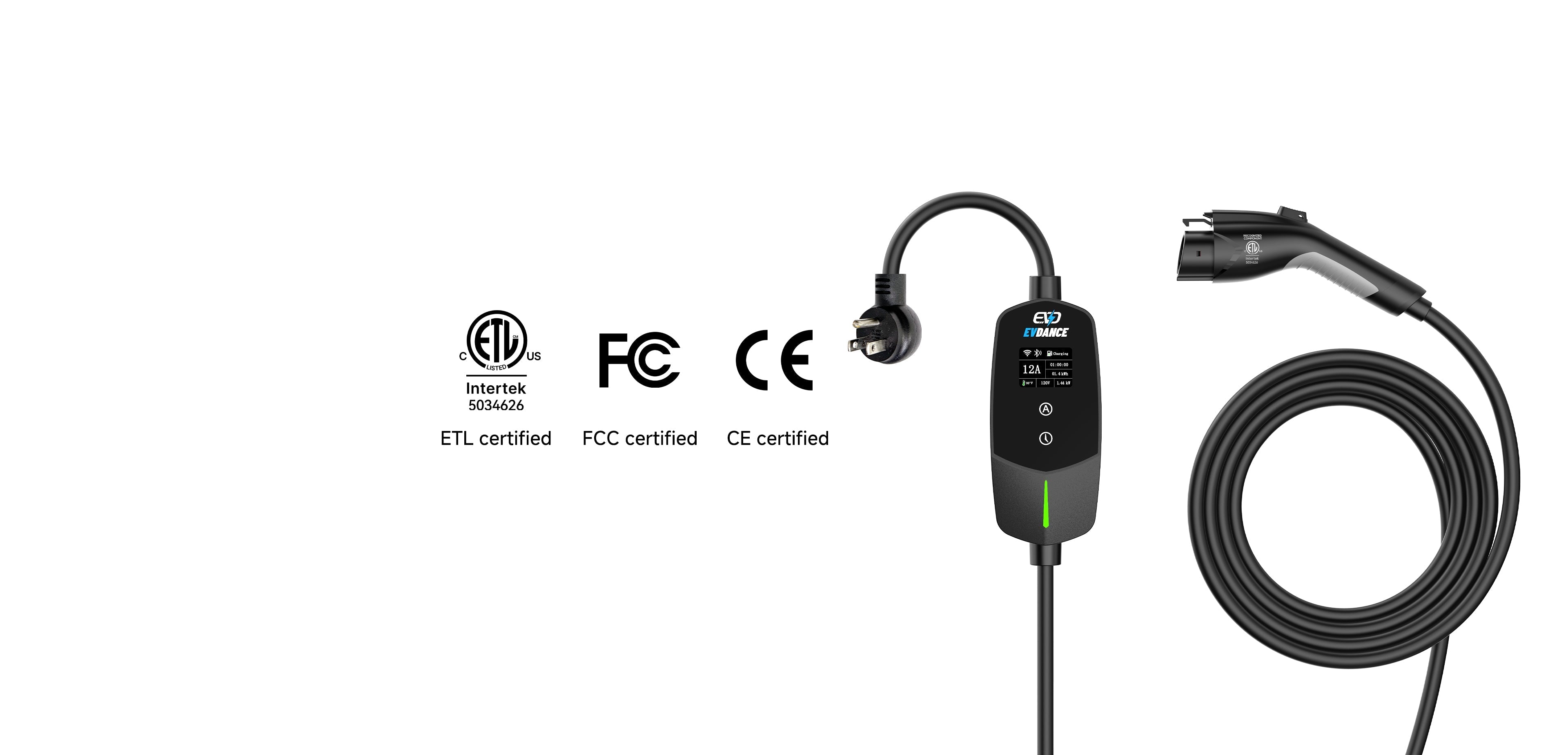
Is Level 1 Charging Bad for Your EV Battery?
Introduction As electric vehicles continue to dominate the market, more owners rely on home charging—especially Level 1 charging, which uses a standard 120V NEMA 5-15 household outlet. One of the most common questions EV owners ask is: “Is Level 1...
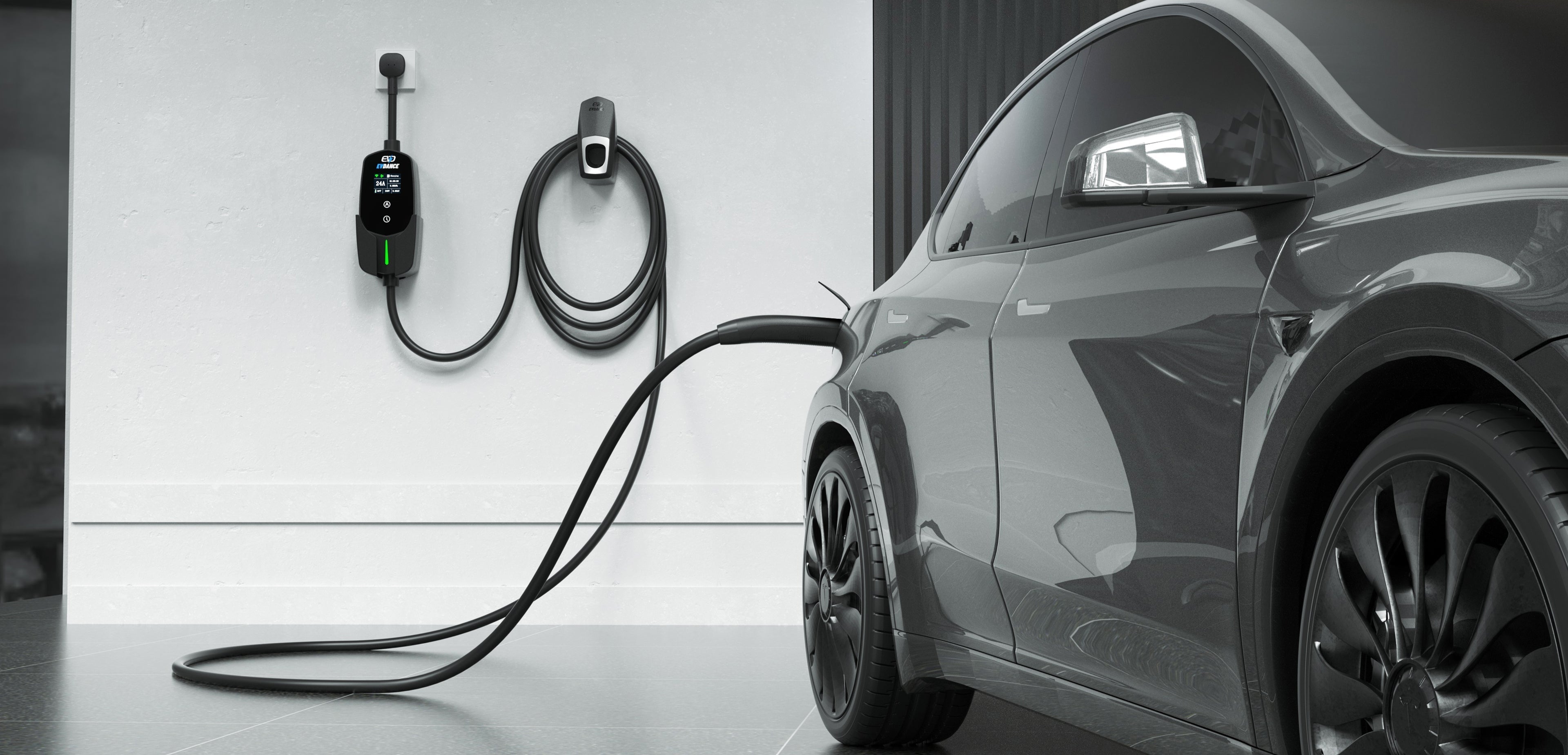
Everything You Need to Know About the Tesla Wall Connector — Plus an Alternative Worth Considering
As electric vehicle (EV) adoption continues to accelerate, home charging solutions are more important than ever. One of the most well-known EV charging solutions is the Tesla Wall Connector, a high-powered, sleekly designed home charger that’s purpose-built for Tesla vehicles....

Understanding J1772 vs NACS: What They Are, How They Compare, and the Future of EV Charging
This article explores the two competing EV charging standards in North America: CCS1 (J1772 for AC and combined DC) and Tesla’s NACS connector. It explains how they differ physically and functionally, which EV models already support NACS via adapter or native port, and the expected shift toward industry-wide adoption of NACS from 2025 onward. It covers current user implications, infrastructure changes, and benefits of consolidation for automakers and charging networks. Practical use cases and future trends show how EV owners can prepare for a more seamless charging experience.
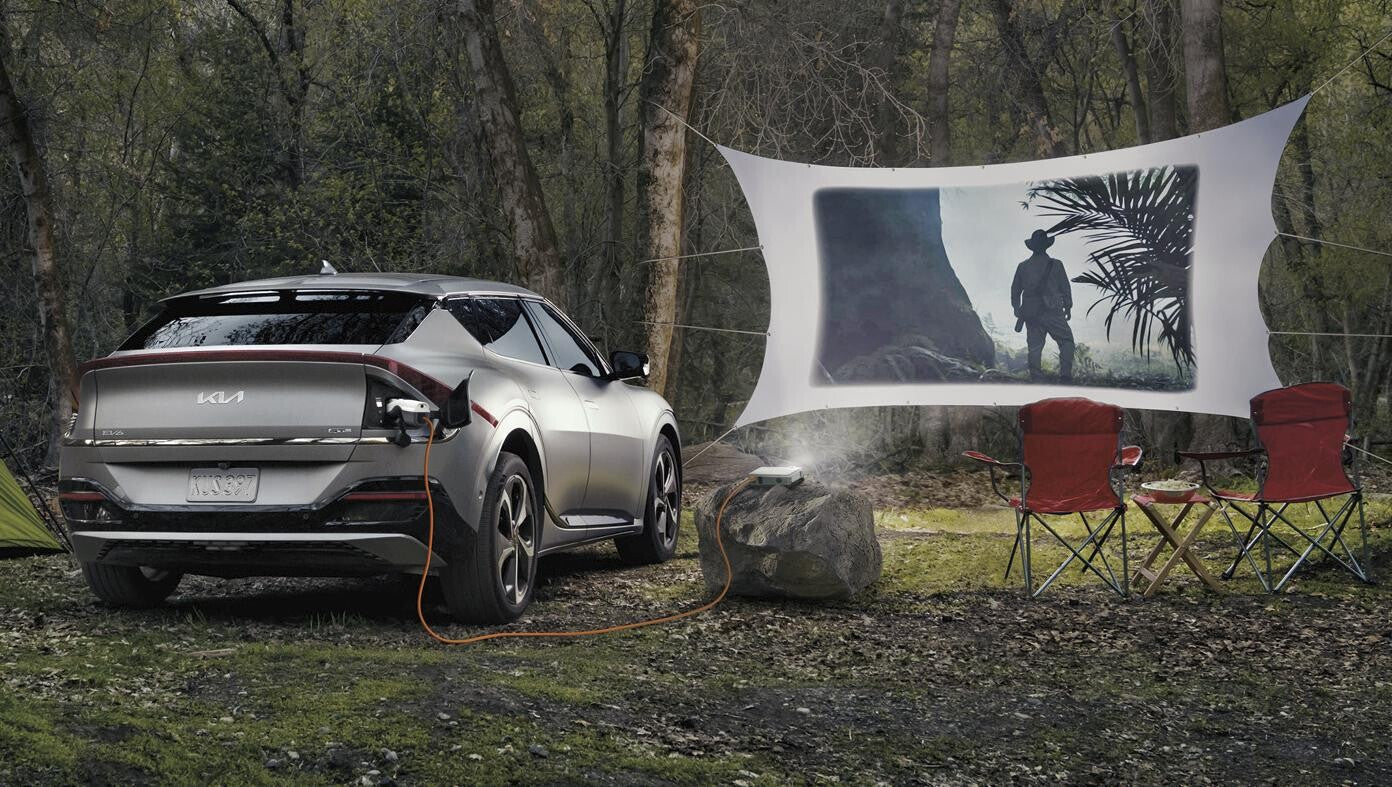
What Is V2L (Vehicle-to-Load)?
Vehicle-to-Load is redefining what an EV can do beyond transportation. Whether you're off-grid camping, preparing for emergencies, or powering tools on-site, V2L offers a flexible and sustainable solution. As automakers continue integrating this feature into new models, V2L will play an increasingly important role in making EVs more versatile, functional, and valuable in everyday life.