



Last Updated: May 21, 2025 | Author: Lay Wen
Tesla, once the beacon of electric vehicle innovation, continues to face significant challenges under Elon Musk’s leadership. Despite recent claims that Musk is stepping away from politics to focus on Tesla, the company’s deep-rooted problems appear far from resolved. This article explores whether Musk’s renewed focus will strengthen Tesla or merely prolong existing issues.
Elon Musk’s Return: A Question of Impact on Tesla’s Future
Recently, Elon Musk announced he would shift attention back to Tesla and his core companies after political involvement. This message, heavily promoted by Musk and allied political figures, aims to reassure investors and customers alike.
However, the critical question remains: Will Tesla benefit from Musk spending more time at the helm? For many, especially those who only recently criticized Musk in 2024, this question has been overlooked. Political supporters view his retreat as a victory, but a closer look at Tesla’s history suggests caution.
Tesla’s History of Strategic Missteps
Tesla’s struggles are not new. A visit to a Tesla retail lot in Moab revealed an unusual sight—dozens of unsold Cybertrucks, highlighting a deeper issue.
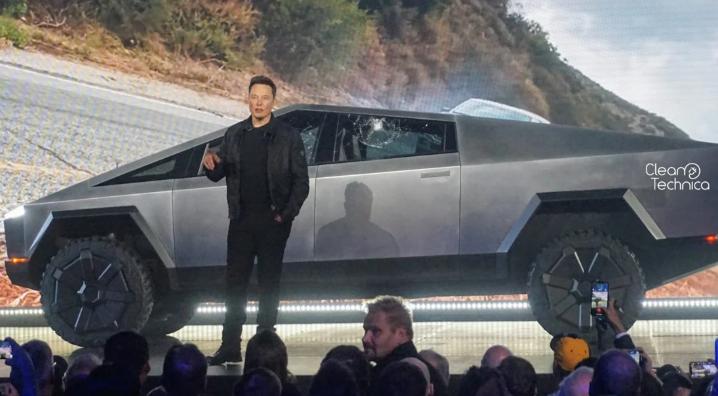
The Cybertruck, unveiled in 2019, was intended to disrupt the pickup truck market with its bold design. However, pickup trucks have remained largely unchanged for good reason: their modular, practical design supports manufacturing efficiency and market demand. Tesla’s futuristic Cybertruck, despite millions of reservations, has failed to translate into sustainable sales, partly due to unrealistic pricing expectations and speculative orders.
This is not an isolated failure. Tesla’s history includes multiple ambitious but flawed projects that raised stock prices and secured subsidies without delivering results:
-
Battery swap stations
-
“Alien Juggernaut” fully automated factories
-
Removal of essential physical vehicle controls
-
Delayed production of Tesla Roadster 2.0 and Tesla Semi
These ongoing issues point to systemic challenges within Tesla’s product strategy and execution.
Leadership Issues: Incompetence or Worse?
Some observers speculate whether these repeated failures indicate intentional schemes to inflate stock prices and attract subsidies. There is no concrete evidence to prove deliberate malfeasance by Musk, and Hanlon’s razor suggests incompetence may be a more plausible explanation.
If true, the pattern of shifting from one bad idea to another, dragging Tesla through cycles of hype and disappointment, indicates serious leadership weaknesses. Rather than being an asset, Musk may represent a growing liability to Tesla’s long-term success.
The Politics Excuse: A Convenient Narrative
Elon Musk attributes Tesla’s recent setbacks to his political distractions since late 2024, claiming his reduced involvement led to declines in stock price and sales. Now, Musk suggests that by focusing back on Tesla and delegating other ventures like Dogecoin, the company will rebound.
However, this narrative requires ignoring a decade of strategic blunders and missed milestones. Tesla nearly went bankrupt in 2018, and the company’s promise of autonomous, self-driving vehicles remains unfulfilled. The accumulation of unsold Cybertrucks and delayed production lines reflect ongoing operational challenges far beyond political distractions.
Conclusion: Caution for Tesla Investors
The persistent issues at Tesla suggest that Elon Musk’s leadership style and decision-making have contributed significantly to the company’s deep problems. His renewed focus on Tesla is unlikely to resolve systemic challenges overnight.
Investors should approach Tesla stock with caution, recognizing the history of hype and unfulfilled promises. Betting on Musk’s comeback without scrutiny risks repeating past disappointments.
See more blogs and news about Tesla and Musk on EVDANCE official website.
Keywords: Tesla problems, Elon Musk leadership, Tesla Cybertruck sales, Tesla production delays, electric vehicle industry challenges
Recommended Reading: Tesla Leaves HW3 Owners in Limbo After Abandoning Full Self-Driving Support


Share:
GM Surpasses Tesla in China’s EV Market: A Wake-Up Call for the American EV Pioneer
Rivian’s Upcoming R2: A Serious Contender in the EV Crossover Market