



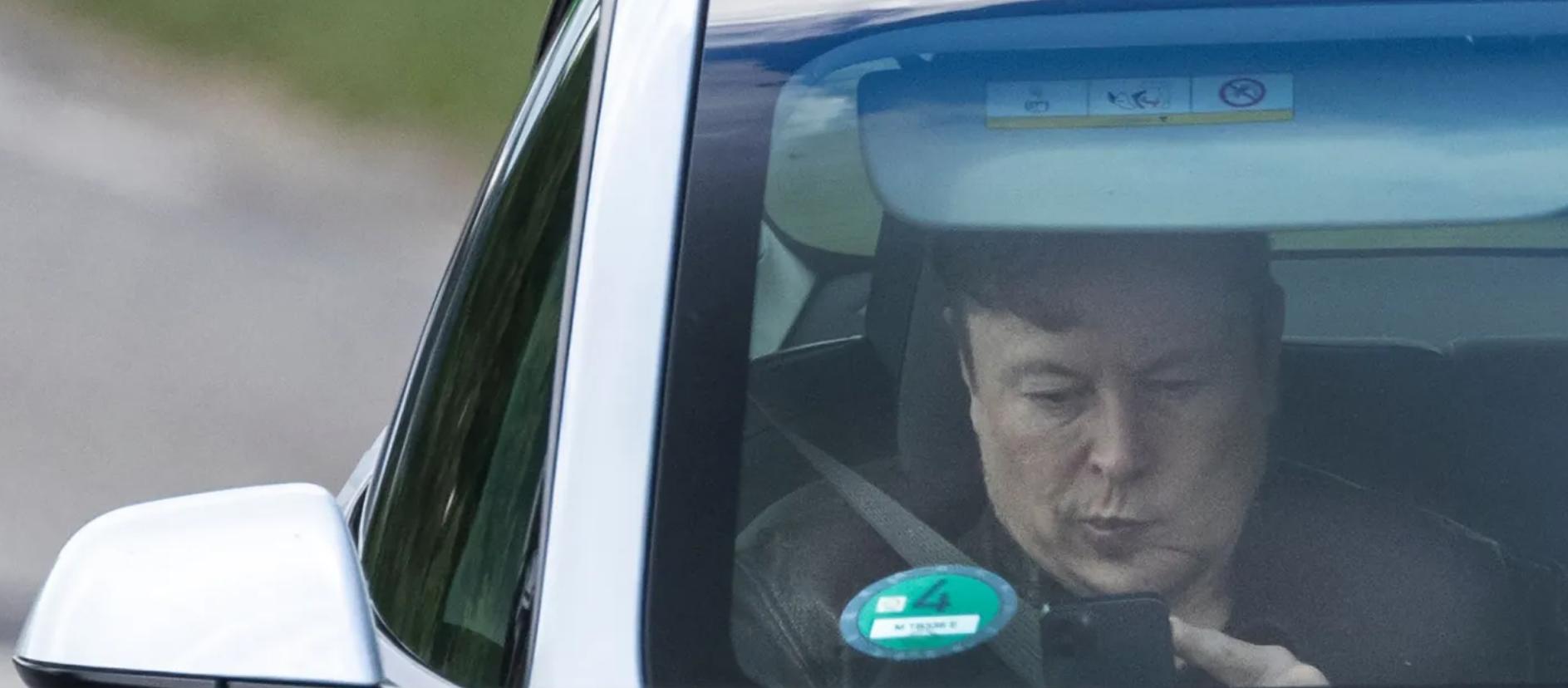
Tesla CEO Elon Musk recently announced he would reduce his political engagements to refocus on the electric vehicle brand after a turbulent period. During a Tuesday earnings call, Musk assured investors that his involvement with the Department of Government Efficiency would “drop significantly” starting in May, following Tesla’s worst first-quarter sales performance, including a staggering 71% year-over-year decline.
However, industry experts are skeptical. Dan Ives of Wedbush Securities, typically bullish on Tesla, warned that Musk’s return might not be enough to repair the "brand damage" caused over recent months, particularly in the U.S. and Europe. Some analysts, like Gordon Johnson of GLJ Research, argue that the damage is "100% irreversible."
Tesla’s weakening brand is a significant concern for the EV sector. While Tesla’s U.S. EV market share dropped from 80% in 2019 to around 45% by early 2024, the company remains a major player. Analysts fear that Tesla’s decline, compounded by trade policy uncertainties, could slow overall EV adoption.
Still, global EV demand remains robust. Reuters reported a 29% year-over-year increase in EV sales in March. Additionally, new players like BYD in Australia and strong offerings from Hyundai and Kia are giving consumers more alternatives.
Despite Tesla’s struggles, the broader EV market is growing — and lower prices on used Teslas present opportunities for new buyers. Platforms like Recurrent are helping match EV buyers and sellers, ensuring that even amid brand turmoil, the transition to cleaner transportation continues.
See more blogs and news about Tesla and Musk on EVDANCE official website.
Recommended Reading: Elon Musk’s Late Reaction to Trump’s Big Beautiful Bill Spells Trouble for Tesla


Share:
Tesla Brand Loyalty Declines: Trade-Ins Surge 250% in March as Americans Turn Away from Elon Musk
Top 10 Bestselling EVs of 2025 So Far: Tesla Still Leads, Competition Grows