





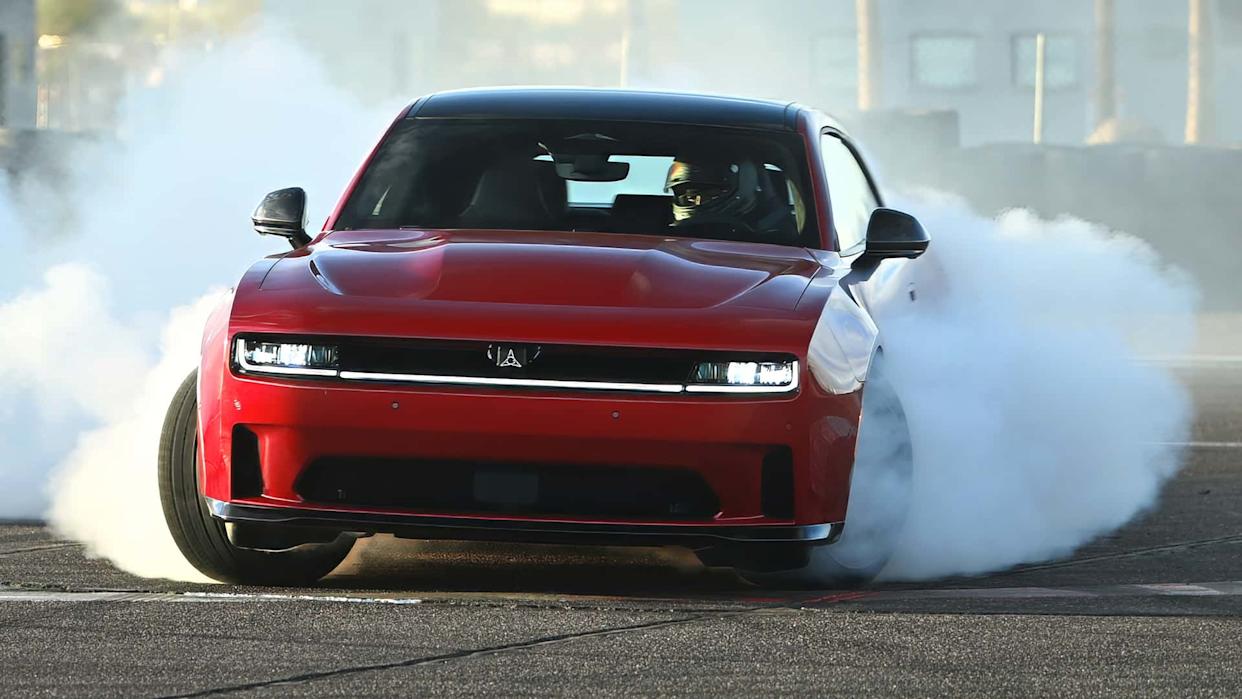
Even without the federal $7,500 EV tax credit, shoppers considering an electric vehicle may find new opportunities as the market heads into 2026. A growing number of dealers are still sitting on unsold EV inventory from the 2024 and 2025 model years, creating pressure to move vehicles quickly and opening the door to meaningful price cuts.
New data from iSeeCars highlights which electric vehicles are most likely to see aggressive discounting as dealerships prepare for newer model-year arrivals.

Why Unsold EV Inventory Is Building Up
As automakers accelerate product cycles and shift focus to 2026 and even 2027 models, many dealerships are left holding earlier inventory. EVs are particularly affected due to higher sticker prices, slower-than-expected demand growth, and the removal of federal incentives.
For dealers, aging inventory is costly. The longer vehicles sit on lots, the more they depreciate—regardless of whether they are technically brand new. As a result, dealers are often more willing to negotiate, especially as year-end and model-year transitions approach.
2024 EV Models Likely to See the Biggest Discounts
Vehicles from the 2024 model year represent the strongest bargaining opportunity for buyers. These cars have already absorbed a year or more of depreciation, yet many remain unsold.
According to iSeeCars, the Genesis GV60 leads the list, with more than one-fifth of its dealer inventory still made up of 2024 models. Other notable entries include electric trucks and SUVs that carry high price tags and narrower buyer appeal.
New EVs with the Most Leftover 2024 Inventory
| Rank | Model | % of 2024 Inventory |
|---|---|---|
| 1 | Genesis GV60 | 21.8% |
| 2 | Dodge Charger | 20.9% |
| 3 | Chevrolet Silverado EV | 11.9% |
| 4 | GMC Hummer EV SUV | 5.5% |
| 2024 EV Average | 1.3% |
Industry analysts note that even the former $7,500 incentive was not enough to clear these vehicles, suggesting pricing flexibility is now unavoidable for dealers trying to move them.
2025 Models Are Also Lingering on Dealer Lots
Buyers looking for a newer vehicle will find even more options among unsold 2025 models. While discounts on these cars may not be as steep as on 2024 models, inventory levels suggest dealers are still under pressure to make room for incoming vehicles.
The BMW i4 stands out, with nearly nine out of ten units on dealer lots still classified as 2025 inventory. Premium and luxury EVs appear especially vulnerable, including several models that have struggled to find consistent demand.
New EVs with the Most Leftover 2025 Inventory
| Rank | Model | % of 2025 Inventory |
|---|---|---|
| 1 | BMW i4 | 89.2% |
| 2 | Porsche Macan | 67.8% |
| 3 | Volkswagen ID.4 | 59.1% |
| 4 | Cadillac Escalade IQ | 47.8% |
| 5 | Genesis Electrified GV70 | 37.2% |
| 6 | Genesis GV60 | 35.3% |
| 7 | Honda Prologue | 34.1% |
| 8 | Mercedes-Benz EQE SUV | 30.9% |
| 9 | Cadillac Lyriq | 30.6% |
| 10 | GMC Hummer EV | 30.2% |
| 2025 EV Average | 18.7% |
Several of these models also face uncertain futures, with production pauses or strategic shifts adding urgency for dealers to sell remaining stock.

What This Means for EV Shoppers
With no federal incentive to lean on, dealers must rely on pricing adjustments to attract buyers. That dynamic gives consumers leverage—particularly those willing to consider outgoing model years or higher-end EVs that have struggled to gain traction.
For buyers, the key is timing and flexibility. Shopping before 2026 inventory fully arrives, being open to negotiation, and comparing similar trims across model years can unlock substantial savings without sacrificing new-car warranties or features.
A Short-Term Opportunity in a Resetting EV Market
While long-term EV adoption continues to evolve, the near-term reality is clear: excess inventory is reshaping pricing behavior. As automakers recalibrate production and dealers work through leftover stock, buyers willing to act now may find some of the most competitive EV pricing seen in years.
Recommend Reading: Equinox EV vs. New Leaf: Which Is the Better Budget EV?


Share:
Volkswagen ID. Polo Prototype Shows a Clear Shift in VW’s EV Strategy
San Francisco Blackout Halts Waymo’s Robotaxi Fleet