





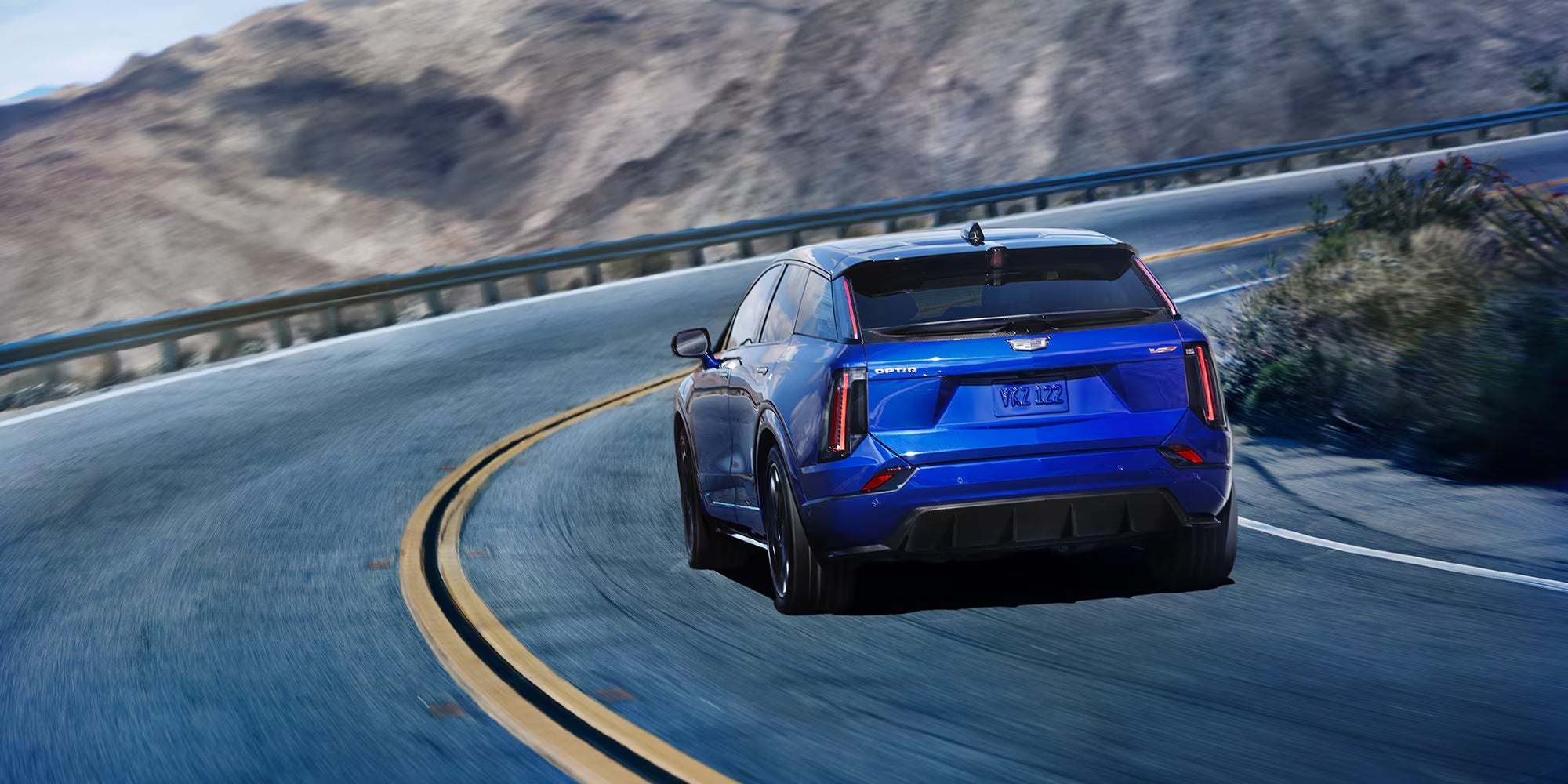
General Motors had a standout year for electric vehicles in 2025—at least on the surface. Across the full year, GM ranked as the second-largest EV seller in the U.S., behind only Tesla, confirming its position as one of the industry’s most aggressive legacy automakers in electrification.
But a closer look at the data reveals a more complicated picture. EV sales momentum slowed dramatically toward the end of the year, highlighting how sensitive demand remains to policy shifts, incentives, and consumer confidence.

Strong Full-Year Performance Masks Late-Year Weakness
Taken as a whole, 2025 was a successful year for GM’s EV portfolio. The automaker benefited from an expanding lineup that spans mainstream crossovers, luxury SUVs, and electric pickups. For much of the year, sales trends pointed firmly upward, reinforcing GM’s long-term EV strategy.
However, the fourth quarter told a very different story. GM’s EV deliveries fell 43% year over year in Q4, a stark reversal after several quarters of steady growth. This decline was sharper than many analysts expected and echoed a broader slowdown emerging across the EV industry.
Every GM EV Model Felt the Q4 Decline
The late-year slowdown was not limited to one product or brand. Every electric model sold by GM saw declining deliveries in Q4.
The Cadillac Lyriq, one of GM’s most important luxury EVs, recorded a year-over-year drop of more than 45% in the fourth quarter. Meanwhile, the Chevrolet Blazer EV experienced an even steeper decline, with sales falling nearly 80% compared to Q4 of 2024.
By contrast, GM’s gasoline-powered vehicles largely continued to follow broader industry trends, underscoring that the slowdown was specific to EV demand rather than overall brand weakness.
Policy Changes and Incentive Pull-Forward Played a Major Role
GM executives were not caught entirely off guard by the downturn. In its Q3 shareholder letter, the company warned that “near-term EV adoption will be lower than planned”, citing softer demand and shifting regulatory conditions.
The expiration of the U.S. federal EV tax credit proved especially disruptive. Many consumers accelerated purchases earlier in the year to secure incentives, creating a pull-forward effect that inflated Q3 results while leaving Q4 demand unusually thin.
Higher interest rates and broader economic uncertainty also contributed to buyer hesitation, particularly among mainstream consumers considering their first EV.
Adoption Varied Widely Across Vehicle Segments
Importantly, GM’s slowdown was not caused by a lack of product. In fact, the automaker offers one of the most diverse EV lineups among legacy manufacturers, including several relatively affordable options.
Instead, the data shows that EV adoption has been uneven across segments. Luxury vehicles and compact crossovers converted buyers more quickly, while full-size electric trucks lagged behind, a challenge also faced by rivals like Ford.
This uneven adoption suggests that EV demand is still concentrated among early adopters and select market segments, rather than broadly distributed across all vehicle categories.

Scaling EV Production Is No Longer the Main Challenge
Despite the late-year slowdown, 2025 delivered an important takeaway for the industry: manufacturing EVs at scale is no longer the primary bottleneck for large automakers like GM.
The harder problem now is demand. Convincing millions of mainstream buyers to switch to electric—without generous government incentives—remains the central challenge for the next phase of EV adoption.
GM’s strategy itself does not appear fundamentally broken. Instead, the market is recalibrating after a policy-driven surge, similar to what occurred during past auto incentive programs. The real test will be whether EV demand stabilizes under these new conditions in 2026 and beyond.
Recommend Reading: GM Expands In-Car Streaming With Native Apple Music and Free Data Access


Share:
Lucid Reports Strong Late-2025 Growth Despite EV Market Headwinds
Ford’s Hybrid Surge Masks a Difficult Year for Its EV Business