Two Key Leaders Exit Tesla

Tesla has lost two of its top engineers — the executives who led development of its Cybertruck and Model Y programs — marking another wave of high-level departures as the automaker redefines its business around AI, robotics, and autonomous technology rather than just electric cars.

Siddhant Awasthi, a Tesla veteran of eight years who led both the Cybertruck and Model 3 programs, announced his resignation in a LinkedIn post. Similarly, Emmanuel Lamacchia, the Model Y program manager, confirmed his departure after eight years at the company.

Their exits come at a time when Tesla faces declining EV sales, intensifying competition, and a strategic pivot away from its traditional car business.

CyberTruck driving on the road.


Awasthi’s Legacy: From Model 3 to Cybertruck

In his farewell note, Awasthi reflected on what he called a “thrilling journey,” highlighting his role in ramping up Model 3 production, contributing to the development of Giga Shanghai, and helping design new electronic and wireless architectures.

He also played a key role in delivering the long-delayed Cybertruck, which became one of the most anticipated — and polarizing — vehicles of the decade.

“It’s tough to sum up eight years in a few lines,” Awasthi wrote. “This decision wasn’t easy, especially with so much exciting growth on the horizon.”


Lamacchia’s Departure After Model Y Success

On the same weekend, Emmanuel Lamacchia revealed that he, too, would be leaving Tesla. Lamacchia led the Model Y vehicle program, overseeing its global rollout across four factories on three continents — a feat he described as “never before done in the auto industry.”

The Model Y remains Tesla’s top-selling vehicle, with more than one million units delivered worldwide in 2024. Despite this success, Lamacchia did not specify his next move, saying only that he was proud of what the team accomplished together.


A Growing Pattern of High-Level Exits

The departures of Awasthi and Lamacchia follow several other high-profile exits from Tesla’s senior leadership ranks.

In June, Omead Afshar, a longtime Musk confidant who managed Tesla’s sales and manufacturing operations in North America and Europe, left the company.
In July, Troy Jones, Tesla’s vice president of North American sales, departed after a 15-year tenure.
Earlier in 2024, Drew Baglino, senior vice president of powertrain and energy engineering, also left Tesla to launch a new energy startup.

These changes point to growing internal shifts as Tesla repositions itself for the next decade.


Tesla’s Transition Beyond EVs

Tesla’s recent restructuring aligns with Elon Musk’s broader vision for the company — one that focuses less on producing more electric cars and more on AI-driven innovation.

Musk has publicly stated that projects such as the Optimus humanoid robot and the robotaxi platform could eventually account for up to 80% of Tesla’s value. The company has even halted plans for a next-generation mass-market EV, arguing that self-driving vehicles will render traditional models obsolete.


Turbulence in AI and Robotics Divisions

The leadership shakeup isn’t limited to Tesla’s vehicle programs. The company’s robotics and AI departments are also undergoing major transitions.

Milan Kovac, who led Tesla’s robotics division, recently left, and the company has discontinued its Dojo supercomputer project, according to Bloomberg. The move led to the departure of Peter Bannon, who headed the Dojo effort.

These developments underscore the growing tension between Tesla’s ambitious technological goals and the organizational stability required to execute them.

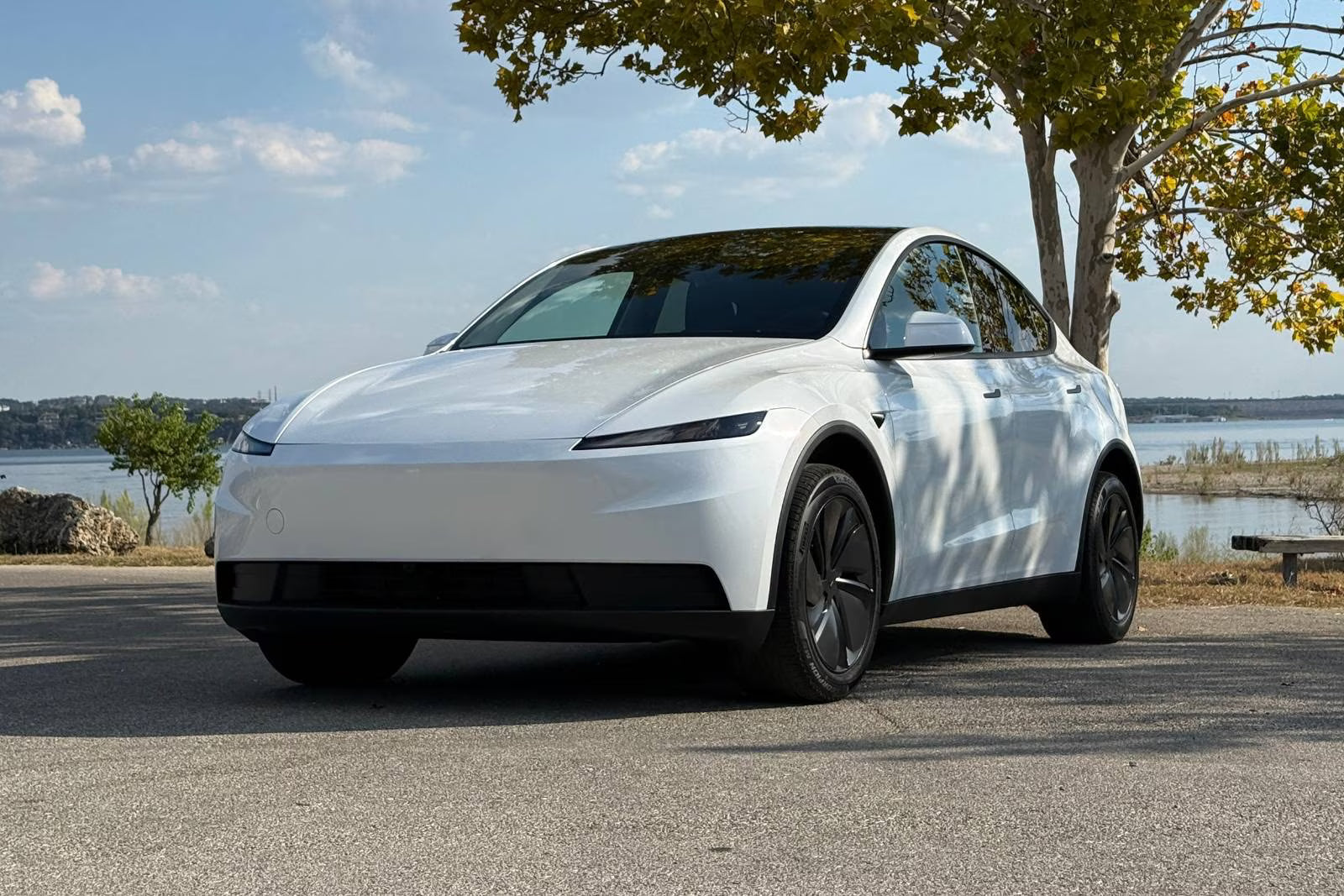
Black upgraded tesla model y driving on the road.


An Inflection Point for Tesla’s Future

With top talent exiting and Tesla’s leadership reorienting toward automation and robotics, the company stands at a critical crossroads.

As EV competition grows fiercer and consumer demand cools, Tesla’s future success may hinge less on how many cars it builds — and more on whether it can deliver on its promise of AI-powered mobility and robotic innovation.

Recommend Reading: Tesla Semi Unveils Futuristic Redesign Ahead of Delayed Mass Production
FAQs - Tesla Model Y Comprehensive 2025 Edition

What is the Tesla Model Y and why is it so popular in the EV market?

The Tesla Model Y is a fully electric compact SUV launched in 2020 and quickly became Tesla’s best-selling vehicle worldwide. It combines long driving range, advanced Tesla Autopilot and Full Self-Driving (FSD) features, over-the-air software updates, and practical cargo space, making it ideal for families and commuters. Its balance between affordability, performance, and technology explains why it has surpassed sales of the Model 3 in many markets.

What are the key differences between the Tesla Model Y trims (Long Range, Performance, RWD)?
  • Model Y Rear-Wheel Drive (RWD): Entry-level, most affordable, suitable for city driving and shorter commutes.
  • Model Y Long Range (AWD): Dual-motor all-wheel drive, offering up to 330 miles of range, best balance for daily use and long trips.
  • Model Y Performance: Higher acceleration (0–60 mph in 3.5s), sportier handling, slightly shorter range (~303 miles).

Choosing between them depends on budget, driving habits, and whether you value maximum range or sporty performance.

How far can the Tesla Model Y go on a full charge?

As of 2025, the EPA-rated ranges are:

  • Model Y RWD: ~260 miles
  • Model Y Long Range: ~330 miles
  • Model Y Performance: ~303 miles

Real-world range may vary based on driving speed, weather, terrain, and vehicle load.

How does Tesla Model Y charging work at home and on the road?
  • Home Charging: Compatible with NACS (Tesla’s North American Charging Standard) and can also use J1772 adapters. A NEMA 14-50 outlet or Tesla Wall Connector is recommended for faster charging at home.
  • Public Charging: Model Y has seamless access to Tesla Superchargers (Level 3 DC Fast Charging), providing ~200 miles of range in ~15 minutes. In 2025, many CCS1 charging networks are also opening to Tesla via adapters.

Tip: For EV owners in North America, NACS is becoming the dominant charging connector, making Model Y future-proof.

How much does the Tesla Model Y cost in 2025?

Pricing may vary by market and incentives:

  • Model Y RWD: ~$44,000
  • Model Y Long Range: ~$49,000
  • Model Y Performance: ~$53,000+

Tax credits (such as the U.S. Federal EV tax credit) and state-level rebates can significantly reduce the effective cost.

What are the maintenance costs of a Tesla Model Y compared to gas cars?

Tesla Model Y requires lower maintenance than internal combustion engine (ICE) vehicles since it has fewer moving parts (no oil changes, no exhaust system, no fuel filters).

Typical costs include:

  • Tire rotations & replacements
  • Cabin air filter changes
  • Brake fluid inspection
  • Battery & motor cooling system checks

Battery warranty: 8 years or 120,000–150,000 miles (depending on trim).

What safety features does the Tesla Model Y include?

Tesla Model Y has received top safety ratings globally, featuring:

  • Autopilot (standard driver assistance system)
  • Optional Full Self-Driving (FSD) capability for advanced automation
  • Collision avoidance and automatic emergency braking
  • Over-the-air safety updates
  • High structural integrity with low rollover risk due to battery placement
How well is the Tesla Model Y selling in the U.S. and globally?

By 2025, the Tesla Model Y has become the world’s best-selling EV and one of the top-selling cars overall across all fuel types.

  • In 2023, it overtook Toyota Corolla in global sales.
  • In the U.S., Model Y continues to dominate EV sales with a strong market share, supported by expanding Tesla Supercharger access and competitive pricing.
What are the potential drawbacks or things to watch out for with the Tesla Model Y?
  • Build quality issues: Panel gaps and paint inconsistencies reported in early production, though improving.
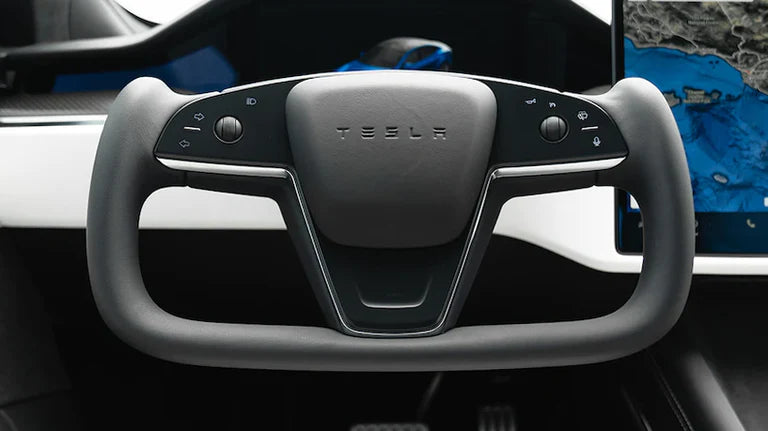
  • Interior design: Minimalist dashboard not appealing to all drivers.
  • Charging infrastructure (non-Tesla): Although NACS is expanding, some third-party chargers may still require adapters.
  • Price fluctuations: Tesla frequently adjusts pricing, which may impact resale values.
What is the future outlook for the Tesla Model Y?
  • Solid-state or higher-density battery packs expected in future updates for improved range and durability.
  • Wider adoption of NACS charging will make road trips even more convenient across North America.
  • Autonomous driving improvements via AI and Dojo supercomputer may make FSD more capable.
  • Global dominance in EV sales likely to continue as Model Y remains Tesla’s most profitable and scalable model.

EV News

View all

Why Used Electric Vehicle Prices Are Falling So Fast

Why Used Electric Vehicle Prices Are Falling So Fast

Used EV prices are falling rapidly as new-car price cuts, shifting incentives, charging access concerns, and post-pandemic market corrections reshape buyer expectations, creating risks for sellers but major opportunities for the right buyers.

Read more

A High-Mileage Tesla Model 3 Reveals What Really Wears Out Over Time

A High-Mileage Tesla Model 3 Reveals What Really Wears Out Over Time

A 2021 Tesla Model 3 with nearly 240,000 miles offers rare insight into EV longevity, showing strong battery health, modest maintenance costs, and far lower energy expenses than comparable gas cars.

Read more

Tesla Robotaxi Introduces Cleaning Fees for Rider Messes

Tesla Robotaxi Introduces Cleaning Fees for Rider Messes

Tesla has introduced cleaning fees for its Robotaxi service, charging riders up to $150 for serious messes. The move reflects practical fleet needs and shows how human behavior still shapes autonomous ride services.

Read more