



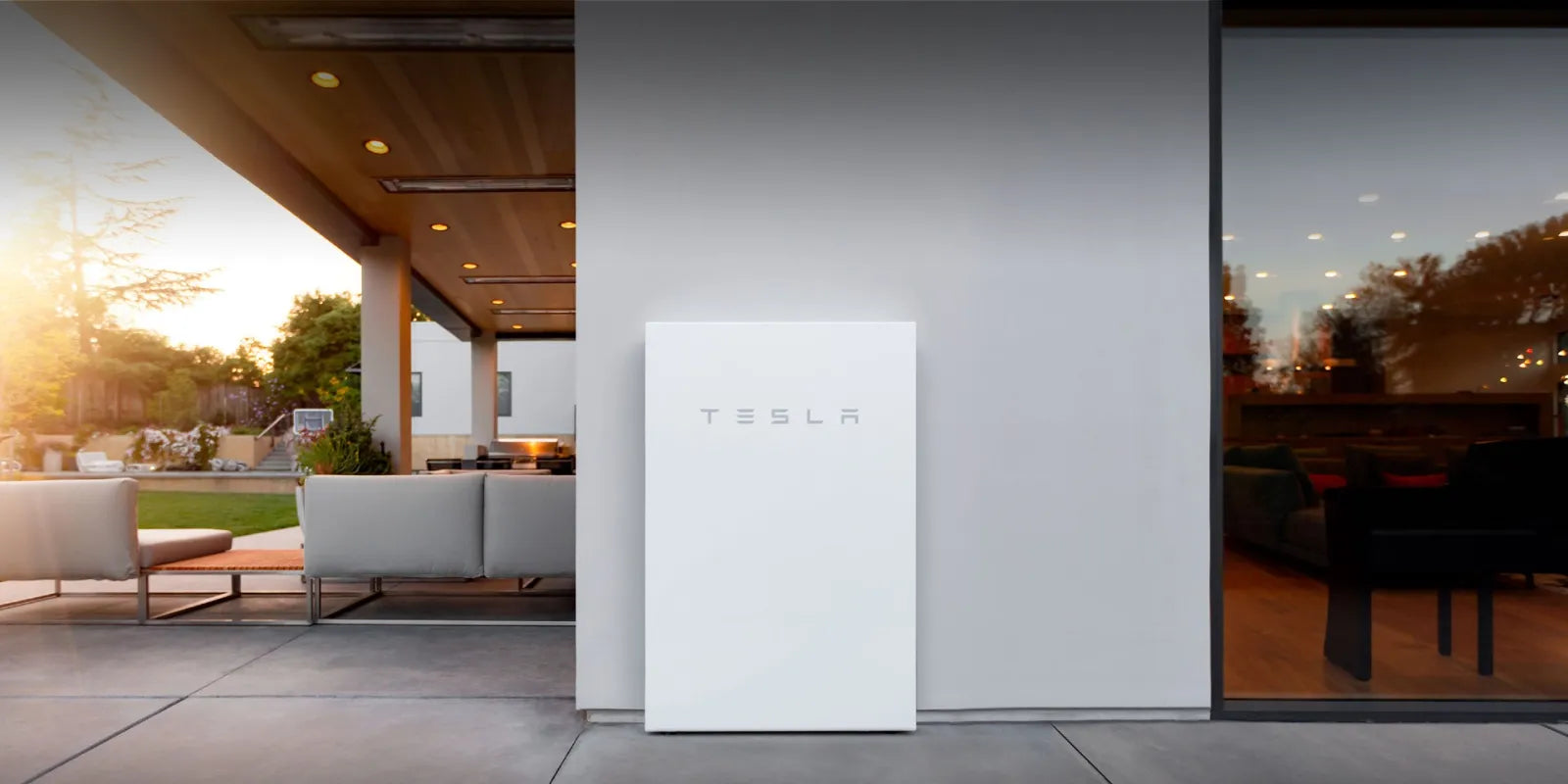
Tesla Powerwall Owners Take Legal Action
Tesla’s recall of certain Powerwall 2 units is escalating as affected owners file a class action lawsuit over what they describe as “bricked” batteries. The complaint alleges that instead of promptly replacing potentially dangerous units, Tesla remotely limited or drained the batteries, leaving homeowners without functional backup power.
The lawsuit, Brown v. Tesla, Inc., filed in Florida, claims that Tesla’s handling of the recall has left customers with expensive devices that no longer serve their intended purpose. Many owners report months-long delays and inconsistent communication from the company.

Background of the Powerwall Recall
Tesla previously recalled thousands of Powerwall 2 units manufactured between 2020 and 2022 due to a potential fire risk. Despite identical hardware, Tesla rolled out the recall in Australia months before the United States, frustrating some customers who expected faster action.
Reports also indicate Tesla had been aware of these risks for years and attempted to quietly replace some units rather than issuing a broad recall. This approach has fueled further criticism from owners and regulators.
Remote Battery Disabling Sparks Controversy
A major point in the lawsuit revolves around Tesla’s use of over-the-air (OTA) software updates. While OTA updates are usually considered an advantage, in this case, the company used them to discharge or limit battery capacity to near-zero in affected units.
The complaint emphasizes:
“Rather than immediately providing full refunds or prompt replacement with non-defective units, Tesla has remotely accessed affected Powerwall 2 systems and discharged or limited their battery charge to near-zero levels to reduce the risk of overheating.”
Many customers argue this action has deprived them of the core functionality of their Powerwalls, including backup power and energy storage, essentially turning $8,000-plus systems into non-functional wall decorations.
Replacement Process Remains Slow and Burdensome
The lawsuit also highlights delays in physical replacements. The process has reportedly been “slow, burdensome, and incomplete,” leaving homeowners with partially or fully disabled systems for extended periods.
Plaintiffs argue that a residential energy storage system that must be bricked for safety reasons cannot be considered “fit for ordinary purpose,” forming the basis of the legal argument on merchantability.
Tesla has not yet commented on the lawsuit or provided a clear timeline for when all affected customers will receive replacement units.
Industry Perspective and Customer Impact
Since the initial Australian recall, many industry watchers anticipated the situation could escalate. Tesla initially suggested it might compensate affected owners for lost revenue or higher utility bills caused by non-functional Powerwalls. The class action appears aimed at ensuring such compensation is implemented fairly.
With up to 10,000 Powerwalls affected in the U.S. alone, Tesla faces a significant logistical challenge. However, experts argue that leaving customers without functional backup, especially ahead of winter storms, represents a major customer service failure. Tesla is urged to prioritize recall replacements over new sales and expedite the resolution process.

Looking Ahead
The outcome of Brown v. Tesla could set a precedent for how home energy storage recalls are handled in the future. Customers and legal observers will be watching closely to see whether Tesla accelerates replacement efforts and addresses the concerns of affected homeowners.
Recommend Reading: Tesla Faces Potential Sales Ban in California Over FSD Misleading Advertising Lawsuit


Share:
Kia EV5 WKNDR Concept Positions Itself as a Strong Future Adventure SUV
Kia EV6 and Hyundai Ioniq 9 to Soon Support Full Home Power Backup
1 comment
How do I join this Class Action? I have contacted Tesla who referred me to Sunstrong who stated they are not servicing these POWERWALLS. I have contacted Trinity Solar, the company that installed the 2 Powerwalls. More run around from them, referring me back to Sunstrong. I don’t know who or what Sunstrong is as I have never had an association with them.