



Kia and Hyundai Expand V2H Capability in the U.S.
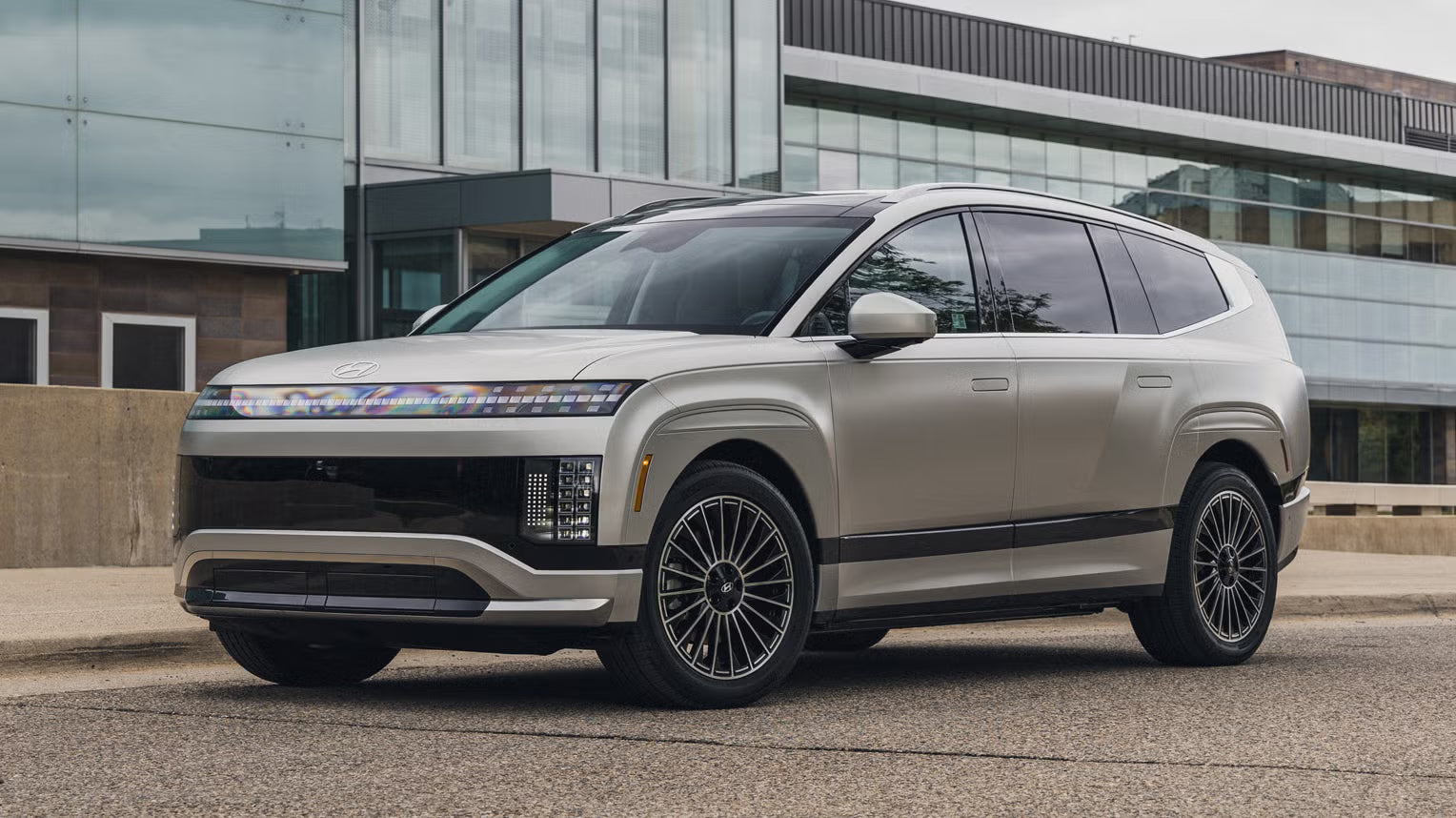
Kia EV6 and Hyundai Ioniq 9 owners in the United States will soon gain the ability to use their electric vehicles as backup home power sources. Hyundai Motor Group confirmed that vehicle-to-home (V2H) functionality is set to roll out in the near future, enabling these EVs to supply electricity directly to a home’s main electrical panel.
This enhancement builds on the existing vehicle-to-load (V2L) feature, already offered across the brand’s E-GMP-based models, which allows powering appliances and tools directly from the vehicle. V2H, however, takes this capability much further by integrating the car into the home energy system.

Existing EV9 V2H System Shows What to Expect
The Kia EV9 already features V2H support in the U.S., though only limited installations have been completed so far, mostly in California. To activate V2H, owners must install approved home hardware, and Wallbox’s Quasar 2 remains the only certified solution currently available.
Quasar 2 functions both as a home charger and as a bidirectional power interface. It supports up to 12.48 kW on AC and 12.8 kW on DC, enabling substantial power output during grid outages or home energy management cycles. A separate Power Recovery Unit (PRU) is needed to complete the system.
Because the EV6, Ioniq 9, and EV9 share the same 800-volt E-GMP platform, industry expectations strongly suggest that these models will use similar hardware requirements once V2H becomes officially available.
Hardware Details Still Pending for EV6 and Ioniq 9
While the automaker confirmed the expansion of V2H services, specific hardware requirements for the EV6 and Ioniq 9 have not yet been announced. What is known is that the Hyundai Ioniq 9 will be first to receive activation, followed by the Kia EV6. No timeline has been provided.
Given the shared electrical architecture, homeowners can likely expect a setup similar to the EV9’s, involving a bidirectional charger, gateway module, and home integration equipment.
Energy Savings Through Smart Charging Cycles
Beyond powering homes during outages, V2H systems offer a major financial benefit. Owners can charge their EVs when electricity prices are low—such as overnight—and draw from the car’s battery to supply their household during high-rate periods.
This strategy can significantly reduce energy bills, but it requires consistent scheduling and the vehicle remaining plugged in when energy shifting is desired. For users already accustomed to Level 2 home charging, the routine changes are minimal.
Could EVs Replace Home Battery Systems?
One of the most notable implications of V2H adoption is its potential to reduce the need for dedicated home energy storage products. Modern electric vehicles often feature battery capacities above 50 kWh, far surpassing most consumer home batteries.
For many households, a bidirectional EV may offer more usable energy capacity than expensive standalone systems, making the investment in a home battery less appealing.
However, seamless operation still depends on compatible hardware, installation cost, and utility regulations. As availability expands, EVs could become an increasingly practical alternative to traditional backup power solutions.

What Comes Next
Hyundai Motor Group has not released a launch schedule or nationwide installation plan, but the company’s confirmation indicates that V2H for the EV6 and Ioniq 9 is moving forward. As infrastructure partnerships grow and hardware becomes more accessible, the capability is likely to see wider adoption in U.S. homes.
For drivers looking to combine transportation, energy savings, and home resilience, this rollout marks a significant step toward fully integrated EV-powered living.
Recommend Reading: Rivian R2: $45,000 Electric SUV That Can Power Your Home

Share:
Tesla Powerwall Recall Sparks Class Action Over Disabled Batteries
Equinox EV vs. New Leaf: Which Is the Better Budget EV?