





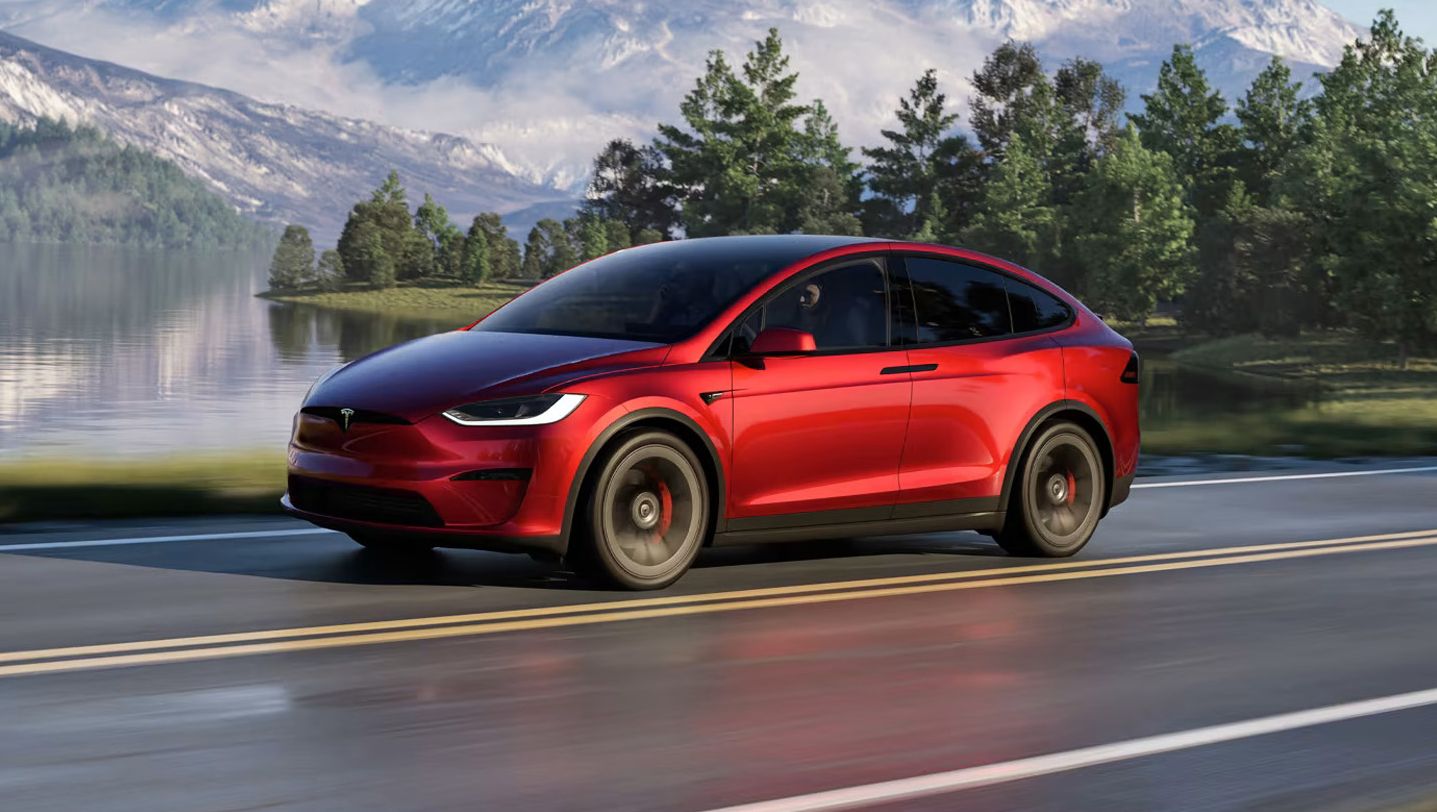
Tesla is preparing to close a major chapter in its automotive history. The company confirmed that production of the Model S sedan and Model X SUV will end next quarter, as Tesla reallocates manufacturing capacity toward its growing robotics ambitions.
The decision marks a symbolic and strategic pivot for the automaker, which increasingly positions itself as an autonomy and artificial intelligence company, rather than a traditional car manufacturer.

Tesla Confirms Production Shutdown for Model S and Model X
During Tesla’s latest earnings call, CEO Elon Musk announced that the two longest-running vehicles in the company’s lineup will be retired. The Fremont, California factory space currently used to build the Model S and Model X will be repurposed for a new mission: producing Tesla’s Optimus humanoid robots.
Musk described the move as an “honorable discharge” for the vehicles, acknowledging their historical importance while emphasizing Tesla’s evolving priorities. According to him, the company is entering a future centered on autonomy, AI, and robotics, where legacy vehicle programs no longer align with long-term goals.
Fremont Factory to Become a Robotics Production Hub
The transition goes beyond simply ending two models. Tesla plans to convert the Fremont production lines into a facility capable of manufacturing up to one million Optimus robots per year, according to Musk.
This shift reflects Tesla’s broader strategy to diversify beyond vehicles. While Optimus remains an emerging product with unanswered questions around commercial readiness, Tesla is signaling that robotics could become a core revenue driver in the coming decade.
Why Model S and X Are No Longer Strategic Priorities
Although iconic, the Model S and Model X have become increasingly marginal to Tesla’s business. Their higher prices and lower volumes placed them outside the company’s current focus on scale and efficiency.
In recent years, Tesla grouped the two models—along with the Cybertruck—into a catch-all “Other Models” category in delivery reports. In 2025, that category accounted for just over 50,000 deliveries globally, compared to approximately 1.6 million combined deliveries of the Model 3 and Model Y.
In some international markets, the Model S and X had already been discontinued, making the global phase-out more of a formal conclusion than a sudden change.
A Look Back at Two Defining Tesla Vehicles
The Model S, introduced in 2012, was Tesla’s first true mass-produced vehicle and a turning point for the EV industry. It demonstrated that electric cars could offer long range, strong performance, and premium appeal, reshaping consumer expectations.
The Model X, launched in 2015, extended that vision into the SUV segment. With its distinctive falcon-wing doors and three-row seating, it aimed to combine practicality with cutting-edge design—though complexity and cost limited its mainstream appeal.
Together, these models helped establish Tesla as a serious automaker and accelerated broader EV adoption worldwide.
Market Conditions Reinforce Tesla’s Decision
The timing also reflects broader industry dynamics. EV sales growth in the U.S. has softened, prompting many automakers to streamline lineups and cancel low-volume models. For Tesla, maintaining production lines for aging, premium vehicles made less sense as margins tightened and competition intensified.
Focusing on fewer, higher-volume platforms allows Tesla to simplify operations while redirecting capital toward future technologies.

What Comes Next for Tesla’s Vehicle Lineup
Despite retiring the Model S and X, Tesla insists that new products are still on the horizon. The company reiterated plans for several long-promised vehicles, including the Cybercab autonomous vehicle, the Semi truck, and the next-generation Roadster.
However, timelines remain uncertain, reinforcing the idea that Tesla’s near-term focus is less about expanding its car lineup and more about building an ecosystem around autonomy and AI-driven products.
Recommend Reading: Tesla Drops Lane-Centering From New Model 3 and Model Y Orders in the U.S.
Share:
U.S. EV Fast-Charging Expansion Hit a Record in 2025 Despite Slower EV Sales
Tesla Reports 1.1 Million FSD Subscribers as Autonomy Becomes a Core Business