





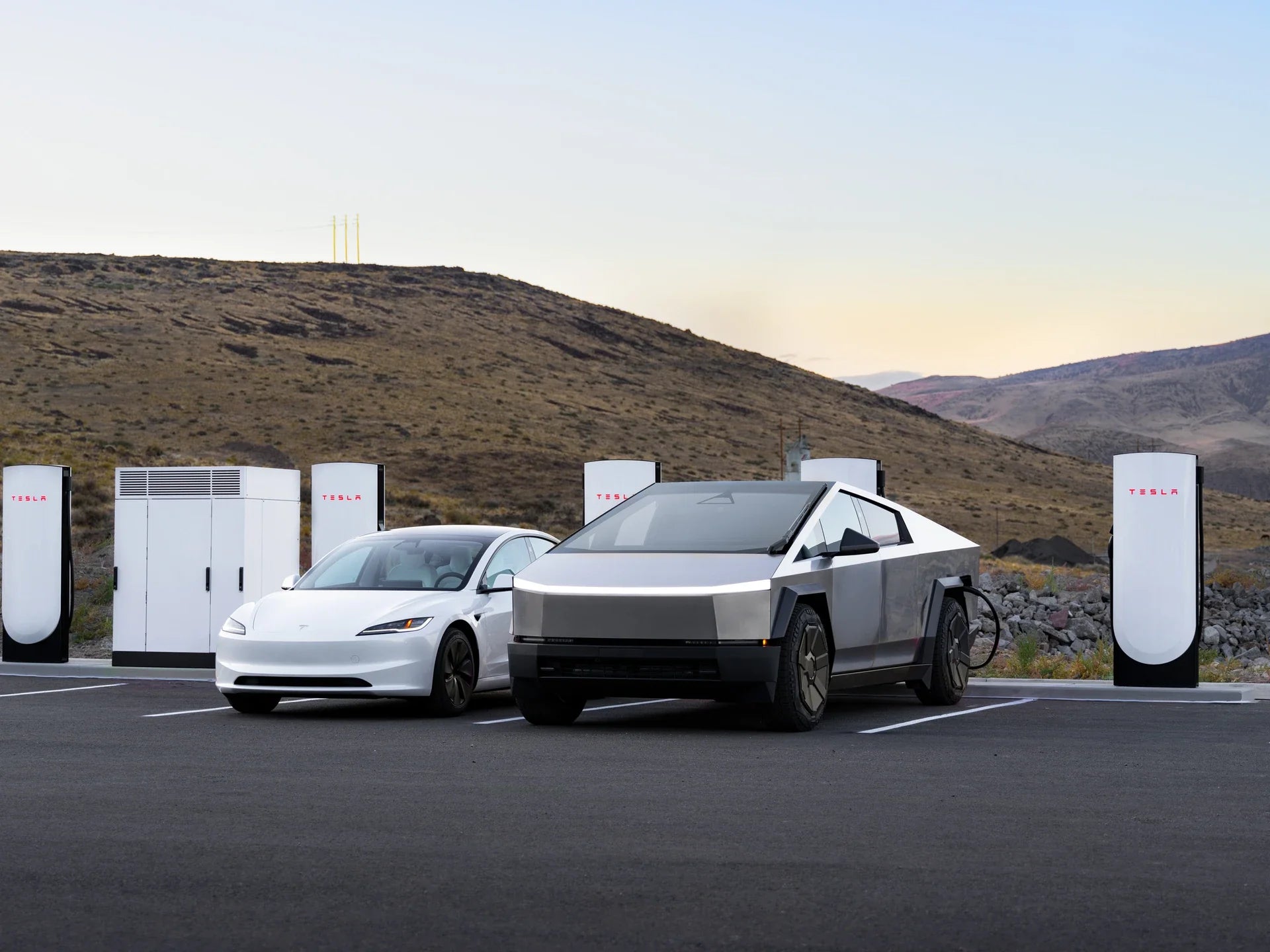
Even as electric vehicle sales growth cooled in the United States, one critical pillar of the EV ecosystem accelerated at an unprecedented pace. Public fast-charging infrastructure expanded faster than ever in 2025, signaling long-term confidence in electrification—even amid policy shifts and market uncertainty.

Record-Breaking Growth for Fast-Charging Infrastructure
According to new data from charging analytics firm Paren, more than 18,000 new public DC fast-charging ports were installed across the U.S. in 2025, marking a 30% year-over-year increase. This represents the largest single-year expansion of fast-charging infrastructure in the country’s history.
The figure surpassed Paren’s own optimistic forecast, underscoring how aggressively charging providers continued to build—even as EV adoption faced headwinds. The expansion was driven by a combination of automakers, retailers, utilities, and independent charging networks working to improve accessibility, reliability, and convenience.
As Paren CEO Florent Breton noted, public charging has reached a level of maturity that consumers can increasingly rely on, lowering barriers for drivers who depend on shared infrastructure.
Charging Investment Continued Despite Policy and Market Headwinds
The charging boom occurred during a turbulent year for the auto industry. Federal incentives were scaled back, fuel economy regulations were revised in favor of internal combustion vehicles, and trade uncertainties pressured automakers’ margins.
In response, many automakers adjusted short-term strategies—prioritizing profitable gas-powered trucks and SUVs while delaying some EV launches. Charging providers, however, did not slow down. Instead, they doubled down on infrastructure, betting that long-term EV adoption would continue.
The result was a particularly strong fourth quarter. Between October and December alone, nearly 5,800 new fast-charging ports went live, a 44% increase compared to the same period the year before.
Bigger, Faster, and More Reliable Charging Stations
The expansion wasn’t just about adding ports—it was about improving quality. Over half of new fast chargers installed in Q4 were capable of delivering 250 kW or more, reducing charging times for compatible vehicles.
Tesla remained the dominant player, adding nearly 6,800 new ports—more than the next nine networks combined. However, non-Tesla networks such as ChargePoint, EV Connect, Ionna, and others also scaled rapidly by building larger stations with more connectors per site.
For drivers, this translates into less congestion, fewer broken chargers, and faster sessions, often located near amenities like restrooms, food, and WiFi.
NACS Adoption and Public Charging Demand Accelerate
Another notable shift was the rapid expansion of North American Charging Standard (NACS) connectors at non-Tesla stations, which more than doubled in 2025. Networks including BP Pulse, AppleGreen, and Mercedes-Benz High Power Charging are investing heavily in multi-standard, high-capacity sites.
Public charging usage surged alongside deployment. Fast-charging sessions reached 141 million in 2025, up 30% year over year. This growth reflects a changing EV buyer profile—more urban drivers without access to home charging who rely heavily on public infrastructure.
Progress Is Uneven, and Challenges Remain
Despite the momentum, challenges persist. Charging deployment remains geographically uneven, with coastal states and major corridors leading while parts of the Midwest lag behind. Connector compatibility and adapter requirements also remain a source of friction, particularly during the ongoing transition to NACS.
Additionally, many non-Tesla drivers still face fragmented charging experiences involving multiple apps, payment systems, and authentication steps. While newer networks and automaker-led platforms are working toward seamless “plug-and-charge” solutions, widespread adoption will take time.

A Long-Term Signal of Confidence in EVs
While EV sales may fluctuate year to year, the charging data tells a clear story: the industry is building for the long term. Infrastructure investment is accelerating, reliability is improving, and public charging is becoming a viable option for a broader range of drivers.
As Breton emphasized, the EV transition is far from over. The charging network is growing, not shrinking—and it is laying the foundation for the next phase of electric mobility in the U.S.
Recommend Reading: California’s EV Growth Demands Coordinated Infrastructure Planning


Share:
2026 Toyota RAV4 PHEV Review: Practical Plug-In Power for Everyday Driving
Tesla to End Model S and Model X Production as It Shifts Focus to Robotics