


EV charging reliability has improved across the board in recent years—but one issue still plagues drivers and operators alike: charging cable theft. Thick copper wires inside DC fast-charging cables have become a valuable target for thieves, leading to broken chargers and frustrated EV owners. Now, one major UK charging operator is taking a bold new step to stop it.

Why Cable Theft Is a Growing Problem
While software updates and hardware improvements have made charging networks faster and more dependable, they can’t prevent physical theft. Each DC fast-charging cable contains several pounds of copper—worth hundreds of dollars when sold for scrap.
As a result, charging operators across the U.S. and Europe are reporting more incidents of cables being cut and stolen. Often, drivers pull up to a charger that appears available in the app, only to find the cable missing entirely.
Cable theft doesn’t just inconvenience EV drivers. It also damages confidence in public charging and leads to costly repairs and downtime for network operators.
InstaVolt’s New Security Solution
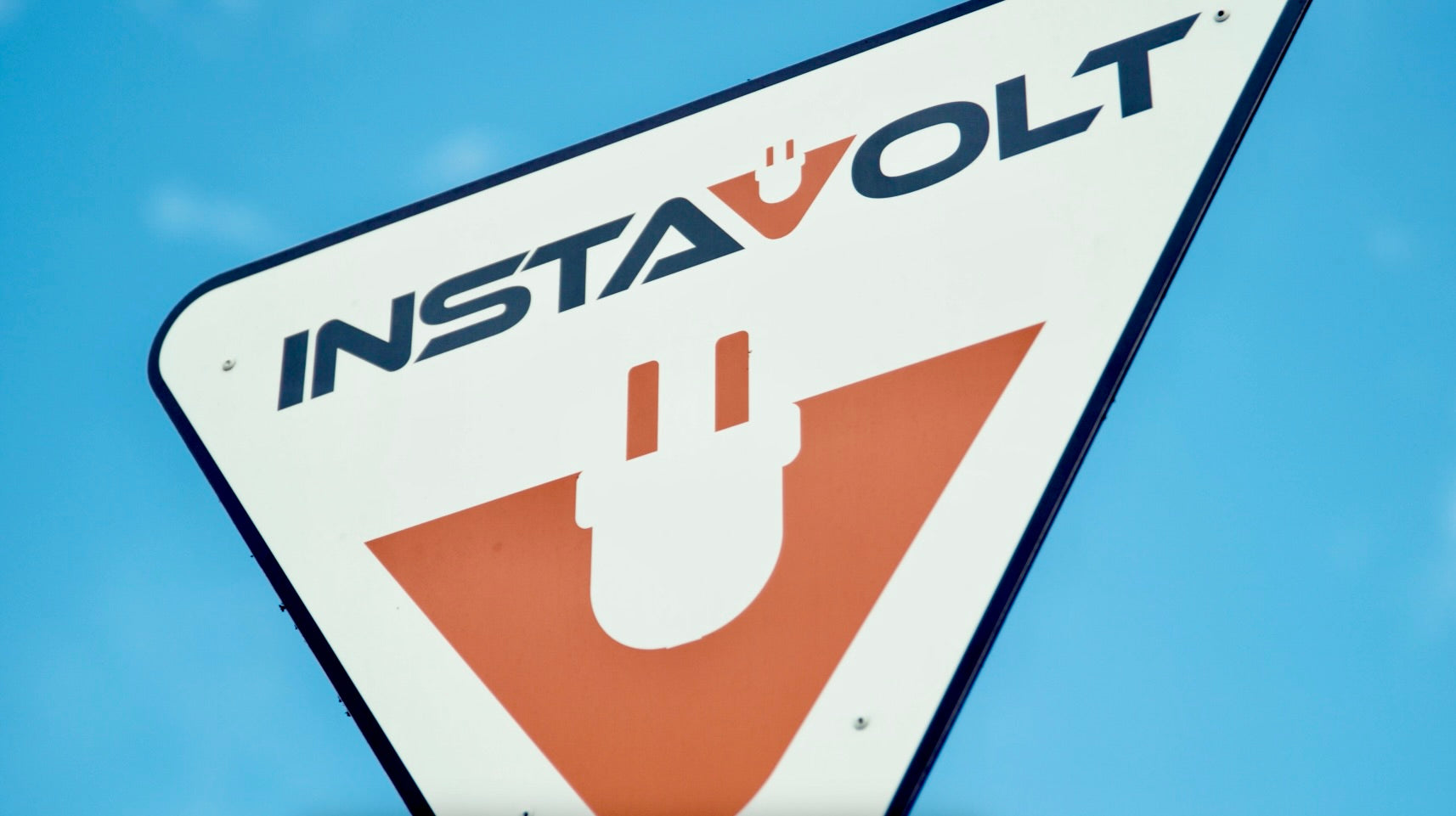
In the UK, InstaVolt, one of the country’s largest fast-charging networks, is now deploying a new system designed to catch thieves in the act. The company has begun embedding GPS trackers inside its charging cables, allowing it to monitor the location of each unit in real time.
When a cable is moved beyond a predefined geofenced area, the system immediately sends an alert and updates its location every three seconds. This way, operators can track stolen cables and notify the police before they disappear into recycling yards.
InstaVolt’s upgraded system is being rolled out across its network of more than 2,000 chargers nationwide, in collaboration with Trackit247, a UK-based GPS tracking company.
How It Works
Each new cable includes a cut-resistant sleeve designed to make it harder for thieves to remove or sell. If the cable is damaged, it releases a forensic dye, which helps police trace stolen parts and identify suspects later.
“The use of GPS tracking sets a new industry standard,” said InstaVolt CEO Delvin Lane. “Cable theft is a growing challenge that threatens driver confidence and undermines investments in charging infrastructure. By adding live GPS tracking, we’re taking proactive steps to protect our network and support law enforcement.”
For security reasons, InstaVolt does not reveal where the GPS trackers are placed within the cables. But the goal is clear: make theft too risky and too traceable to be worth the effort.
Industry-Wide Efforts To Deter Theft
InstaVolt isn’t the only company tackling the issue. U.S. charging networks like Electrify America, ChargePoint, and Tesla Supercharger have increased surveillance cameras, partnered with recycling centers, and developed special anti-theft cable designs.
However, the addition of live tracking technology could make a significant difference. Unlike passive deterrents, GPS tracking allows operators to respond immediately and recover stolen materials faster.
Experts believe that if the system proves successful, other networks around the world may follow suit—adopting similar real-time monitoring to prevent copper theft and improve overall charger uptime.

A Safer Future for EV Charging
Cable theft might sound like a small problem, but it has big consequences. Each missing cable can take a charging stall offline for days, causing frustration for EV drivers and damaging public trust in clean transportation infrastructure.
By combining cut-resistant materials, forensic dye, and GPS tracking, InstaVolt’s approach aims to close that gap for good. It’s a technological solution to an old-fashioned problem—and a sign that the EV charging industry is evolving beyond just power delivery.
If successful, this could mark the beginning of a new security standard for public EV chargers, ensuring that charging stations stay reliable, safe, and ready for the growing number of electric vehicles on the road.
Recommend Reading: Public Charging Memberships Worth the Money in 2025

Share:
Americans Grow More Receptive to Chinese Cars
Electrify America Now Shows Live EV Charger Availability on Google Maps