





Recall Overview
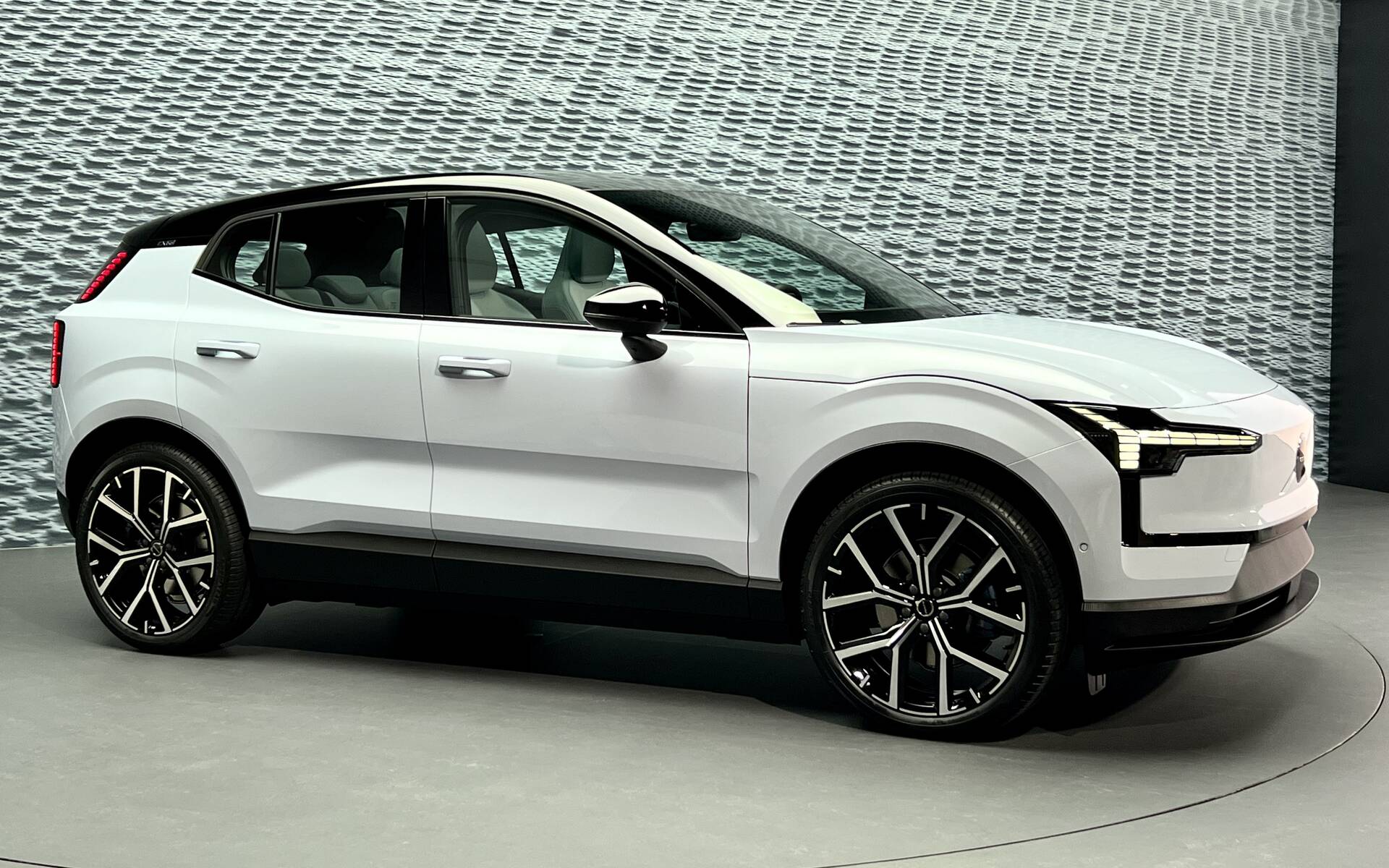
Volvo is facing a significant challenge with its electric vehicle lineup as it issues a recall affecting 40,323 EX30 units worldwide. The compact crossover, designed as an affordable EV option, is being recalled due to battery modules that may overheat and ignite, raising safety concerns for owners across multiple countries.

Affected Models and Battery Supplier
The recall encompasses both Single-Motor Extended Range and Twin-Motor Performance variants. All affected vehicles use battery cells produced by Shandong Geely Sunwoda Power Battery Co, a joint venture supported by Volvo’s parent company, Geely. Volvo has confirmed that the supplier has correacted the defect and that the affected battery packs will be replaced with revised components.
Temporary Precautions for Owners
While the replacement program is being implemented, Volvo has advised owners to limit charging to 70% and to park vehicles away from buildings. This interim guidance has been issued in more than a dozen countries. In the U.S., a filing with the National Highway Transportation Safety Administration indicates that the advisory has been in place since at least December 2025, initially involving only 40 cars manufactured between September 6, 2024, and October 25, 2025.

Impact on Daily Use
Owners have reported additional costs associated with adhering to the 70% charging limit. Some may need to rely more on public fast chargers, which are typically more expensive than home charging. For context, the 2025 EX30 Single Motor has a standard estimated range of 261 miles, which is effectively reduced to around 183 miles when restricted to 70% charge. Real-world conditions such as cold weather or highway driving can further limit range, creating potential challenges for longer commutes.

Reputation and Safety Considerations
This recall could pose reputational risks for Volvo, a brand historically associated with vehicle safety innovations, including the introduction of the three-point seatbelt in 1959. Any fire-related safety issue draws heightened scrutiny from regulators and consumers, especially in the highly competitive EV market.
Industry Context
Volvo is not alone in facing battery-related recalls. General Motors recalled 140,000 Chevy Bolts in 2020 due to fire risks, a process that cost nearly $2 billion, partially covered by the battery supplier LG Chem. GM also issued a similar recall for the Bolt and Bolt EUV in 2024. Nissan has recalled tens of thousands of Leaf EVs over battery defects. These incidents underscore the zero-tolerance standards for battery safety and the operational risks automakers face in launching EVs at scale.

Looking Ahead
For Volvo, managing this recall efficiently is critical to maintaining consumer confidence in its EV lineup. The company must navigate logistical challenges in replacing faulty modules while minimizing disruption to owners’ daily use. Ensuring battery reliability will be key to sustaining growth in an increasingly crowded EV market where safety concerns are a major differentiator.
Recommend Reading: Can Volvo’s New EV Platform Deliver a True Electric Wagon?


Share:
Lucid Motors Sees 2026 Growth Hinged on Upcoming $50K Crossover
Why Stellantis Reported a $22 Billion Loss After EV Missteps