





New Cities Signal Broader Rollout Strategy
Amazon-backed autonomous vehicle company Zoox is preparing to extend its robotaxi operations to Austin, Texas, and Miami, Florida later this year. These additions mark a significant step in the company’s effort to scale beyond its initial launch markets.
Rather than opening immediately to the general public, Zoox plans a gradual introduction. Early access in both cities will be limited to employees and their close networks, allowing the company to refine operations before wider availability. A waitlist is expected to open soon, followed by the rollout of its early-access rider initiative, known as the Zoox Explorers program.

Expansion Builds on Existing Operations
While new markets are being added, Zoox is also increasing coverage in cities where it already operates. In San Francisco and Las Vegas, the company intends to significantly broaden its service areas.
In Las Vegas, the operating zone will extend to include Harry Reid International Airport, along with major entertainment venues such as T-Mobile Arena and the Sphere. Since opening rides to the public in September of last year, Zoox has expanded rapidly in the city, now covering key destinations including the convention center and much of the Strip’s hotel corridor.
San Francisco will see an even larger increase in coverage. The company plans to multiply its current service footprint, reaching multiple neighborhoods across the eastern side of the city. Areas such as the Marina District, North Beach, Chinatown, Pacific Heights, and the Embarcadero are expected to be included in the next phase.
Purpose-Built Vehicles Move Into Service
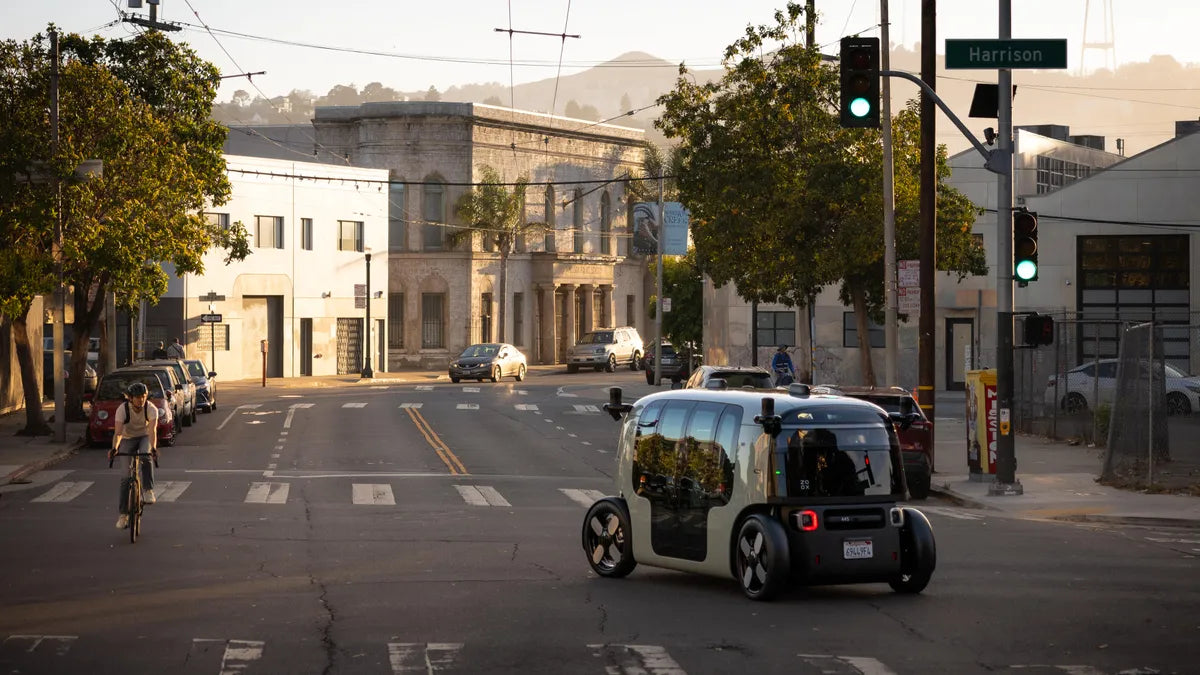
A key milestone in this expansion is the transition from modified test vehicles to Zoox’s dedicated autonomous pods. Unlike traditional cars adapted for self-driving, these vehicles are designed from the ground up for autonomy.
They feature a symmetrical layout with opposing seating arrangements, sliding doors, and no conventional driving controls such as a steering wheel or pedals. This design reflects Zoox’s long-term vision of fully autonomous mobility without human intervention.
The company has been testing its systems in Austin and Miami since 2024 using adapted vehicles. With sufficient real-world data collected, Zoox now appears ready to introduce its custom-built fleet in limited numbers.
Technology and User Experience Enhancements
Alongside geographic expansion, Zoox is refining the rider experience through several updates. Improvements to arrival-time predictions aim to provide more reliable pickup estimates, while new pre-booking tools allow users to preview trip details before confirming a ride.
Inside the vehicle, passengers can connect personal devices via Bluetooth to stream their own audio, supplementing existing in-car entertainment options. In busy pickup zones, a new “Find My Zoox” feature uses distinctive lighting and sound cues to help riders quickly locate their assigned vehicle.
These updates suggest a focus not only on autonomous driving performance but also on usability and convenience, which are critical for broader adoption.
Growing Competition in Key Markets
Austin, in particular, is becoming an important testing ground for autonomous ride-hailing services. Companies such as Tesla and Waymo are already operating in the city, making it one of the most competitive environments for driverless mobility in the United States.
Zoox’s cautious rollout strategy indicates an awareness of both regulatory scrutiny and competitive pressure. By limiting initial access and scaling gradually, the company may be aiming to ensure operational reliability before entering direct competition at full scale.

Operational Milestones and Future Outlook
Since introducing public rides in Las Vegas less than a year ago, Zoox reports that its autonomous vehicles have traveled nearly 2 million miles and served more than 350,000 passengers. These figures provide a foundation for further expansion as the company builds confidence in its technology.
Beyond its current and upcoming markets, Zoox continues to test in several additional U.S. cities, including Seattle, Los Angeles, Atlanta, Washington, D.C., Dallas, and Phoenix. These testing efforts suggest that further geographic expansion is likely, depending on regulatory approvals and operational readiness.
As the company scales, its success will depend on balancing rapid deployment with safety, reliability, and user trust. The upcoming launches in Austin and Miami represent an important step toward that goal, signaling a broader push to establish a presence in multiple urban markets.
Recommend Reading: Uber to Deploy Rivian R2 Robotaxis in Major Cities by 2028


Share:
Xiaomi SU7 Facelift Review: What’s New and Improved in 2026
New EV Market Falters While Used Electric Cars Gain Momentum