





A Broader Footprint in U.S. Cities
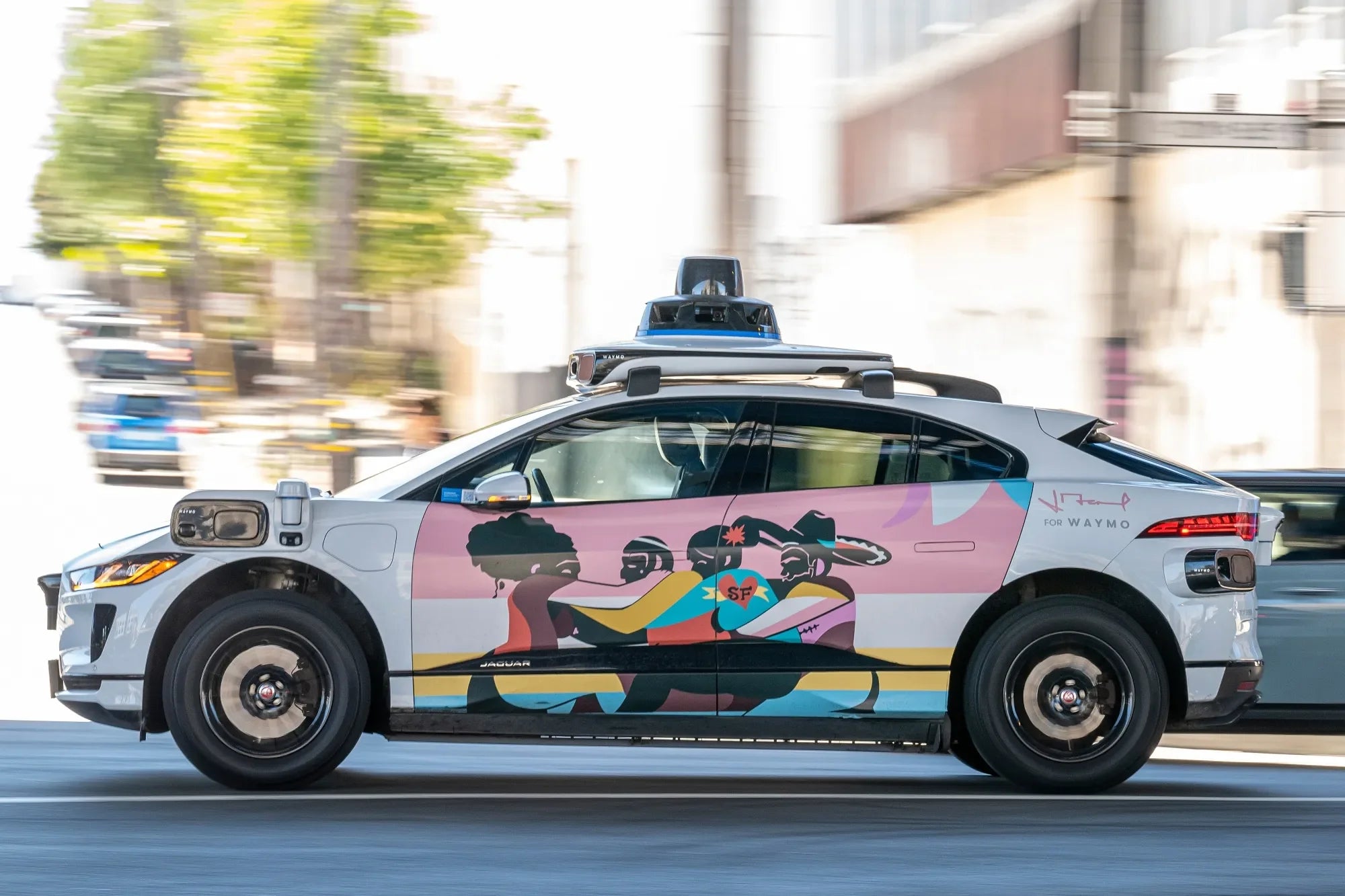
Autonomous ride services are moving from pilot programs to daily transportation in several major markets. In the San Francisco Bay Area, driverless vehicles from Waymo have shifted from novelty to routine presence. After initial public skepticism, the company’s cars are now a familiar sight, signaling a turning point for commercial self-driving services.
This week, the Alphabet subsidiary extended public access to four additional metropolitan areas: Dallas, Houston, San Antonio, and Orlando. With these launches, the service now operates in 10 U.S. metro regions, including earlier deployments in San Francisco, Los Angeles, Phoenix, Atlanta, Austin, and Miami. The company indicated that new cities will begin with a capped user base before gradually increasing availability.

Rapid Growth in Ride Volume
Waymo’s expansion is not limited to geography. Its usage metrics have climbed sharply over the past two years. In early 2025, the company reported roughly 200,000 paid trips per week across three cities. By the end of that year, weekly rides had doubled to 400,000, spanning six markets.
Executives now aim to reach 1 million weekly rides by the end of 2026, reflecting both fleet growth and rising demand. The company has also outlined plans to enter at least 20 cities globally in the coming years, underscoring its ambition to establish a large-scale autonomous network.
Competitive Dynamics in Autonomous Mobility
Other firms are positioning themselves within the evolving robotaxi ecosystem. Uber, for instance, is seeking to integrate autonomous vehicles into its existing ride-hailing infrastructure. In certain cities, Waymo vehicles can be requested through Uber’s app, suggesting a hybrid approach that blends proprietary fleets with third-party platforms.
Notably absent from Waymo’s latest expansion update was any direct mention of Uber partnerships, raising questions about whether the company intends to rely more heavily on its own app and operations as it scales.
Tesla’s Slower Deployment
Tesla, often associated with cutting-edge vehicle automation, presents a contrasting trajectory. While the automaker has long promoted its camera-based, AI-driven system as a scalable solution, its commercial robotaxi rollout has been comparatively limited.
According to independent tracking data, Tesla currently operates 44 autonomous vehicles in Austin under its Robotaxi program. That figure stands in stark contrast to Waymo’s estimated fleet of around 3,000 vehicles nationwide.
In late 2025, Elon Musk projected that Austin would host 500 Tesla robotaxis by year’s end. That target has not been met. Broader ambitions—such as serving half of the U.S. population—also remain unrealized. At present, Tesla’s fully driverless service is confined to a single city, operating modified Model Y vehicles.
Operational and Regulatory Hurdles
Despite its lead, Waymo faces its own set of challenges. Expanding into new jurisdictions requires navigating varying state and municipal regulations governing autonomous vehicles. Beyond legal approval, the company must build local infrastructure for maintenance, fleet coordination, and charging.
Safety oversight continues as well. Regulators are reviewing certain driving behaviors, including interactions with school buses and a low-speed collision involving a child. These investigations highlight the scrutiny that accompanies large-scale autonomous deployment.
Scaling from dozens of vehicles to thousands introduces logistical complexity. Managing software updates, mapping accuracy, and real-time monitoring across multiple cities demands significant operational discipline.
Diverging Strategies
Tesla supporters argue that the company’s strategy—leveraging millions of consumer vehicles equipped with cameras—could ultimately enable faster expansion. Its reliance on vision-based systems, rather than lidar-heavy sensor arrays, is designed to reduce hardware costs and simplify production.
However, present data suggest that Waymo’s more incremental, fleet-managed approach is yielding tangible results more quickly. While Tesla emphasizes long-term scalability, Waymo is already delivering hundreds of thousands of paid trips each week without human drivers onboard.

The Current State of Play
Autonomous ride services remain in a formative phase, and long-term leadership is far from settled. Yet by measurable indicators—fleet size, weekly trips, and geographic reach—Waymo currently holds a substantial operational advantage in the U.S. market.
Whether Tesla can close that gap depends on its ability to accelerate deployment beyond Austin and translate technological ambition into widespread service. For now, the momentum appears to favor the company that has quietly expanded city by city, building a functioning commercial network while competitors continue to test and promise.
Recommend Reading: How Waymo’s New Robotaxi Hardware Powers Zeekr and Hyundai EVs


Share:
Why Nearly New EVs Offer Bigger Savings Than New Ones
Rivian’s Strategic Investment: Heavy Spending Now to Support Future Growth