



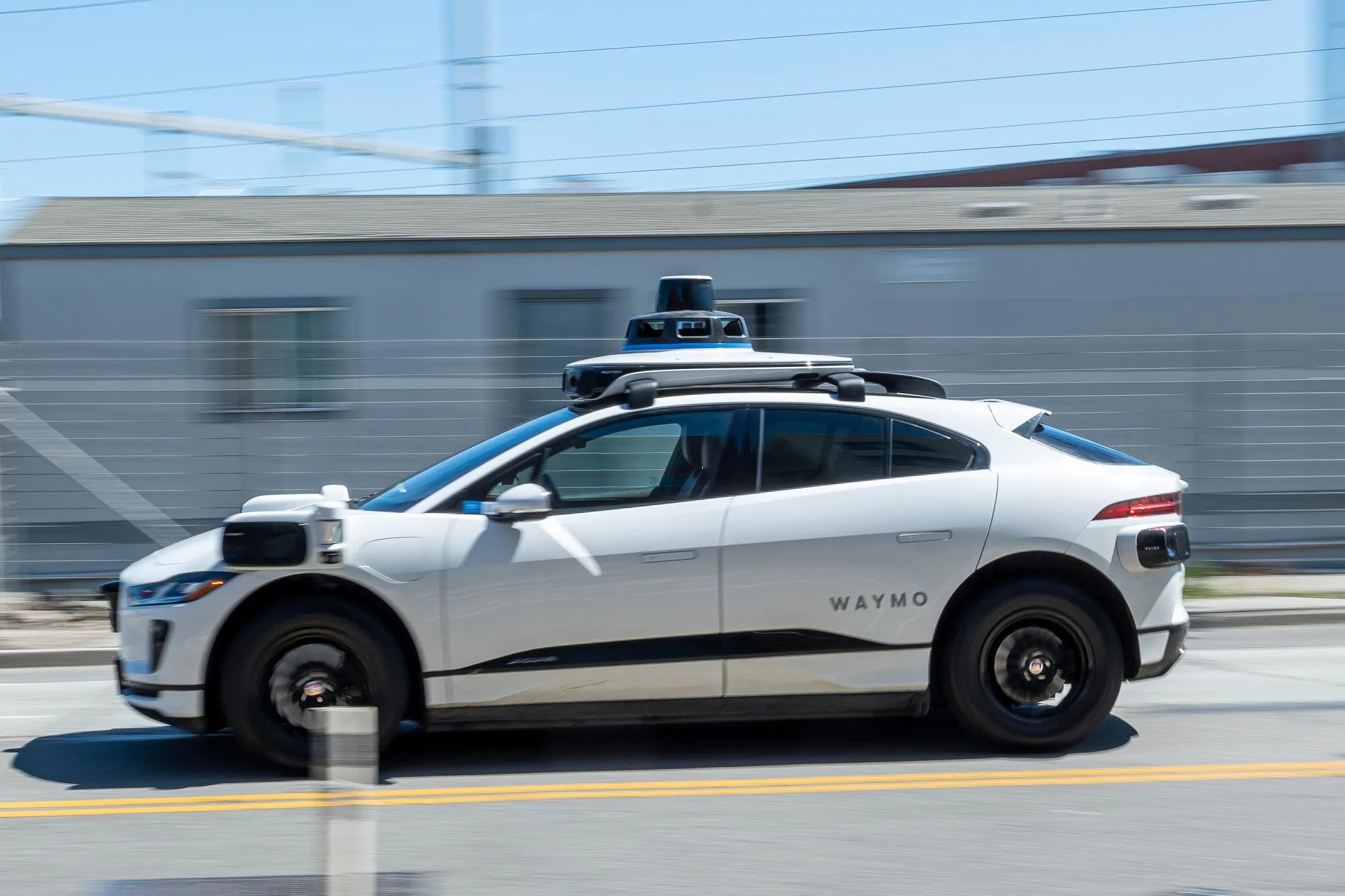
Waymo Prepares Major U.S. Rollout
Waymo is preparing a significant expansion of its autonomous taxi service, announcing that fully driverless operations will begin in five additional U.S. cities starting next year. According to the company’s latest blog update, the Alphabet-owned operator plans to introduce safety-operator-free vehicles in Miami, Dallas, Houston, San Antonio and Orlando, offering internal employee rides first before transitioning to paid public service in 2026.
This development marks another step in Waymo’s strategy to scale robotaxi operations across the country, as it builds on recent progress in removing human oversight from its fleet.

Current Footprint and Future Growth
Waymo already runs commercial or test services in the San Francisco Bay Area, Los Angeles, Phoenix, Atlanta and Austin, creating one of the largest autonomous ride-hailing footprints in the U.S. But the company has much broader ambitions.
Waymo revealed that after these five new cities go live, it intends to expand to 12 more markets, including international destinations such as London, marking one of its first major pushes beyond North America.
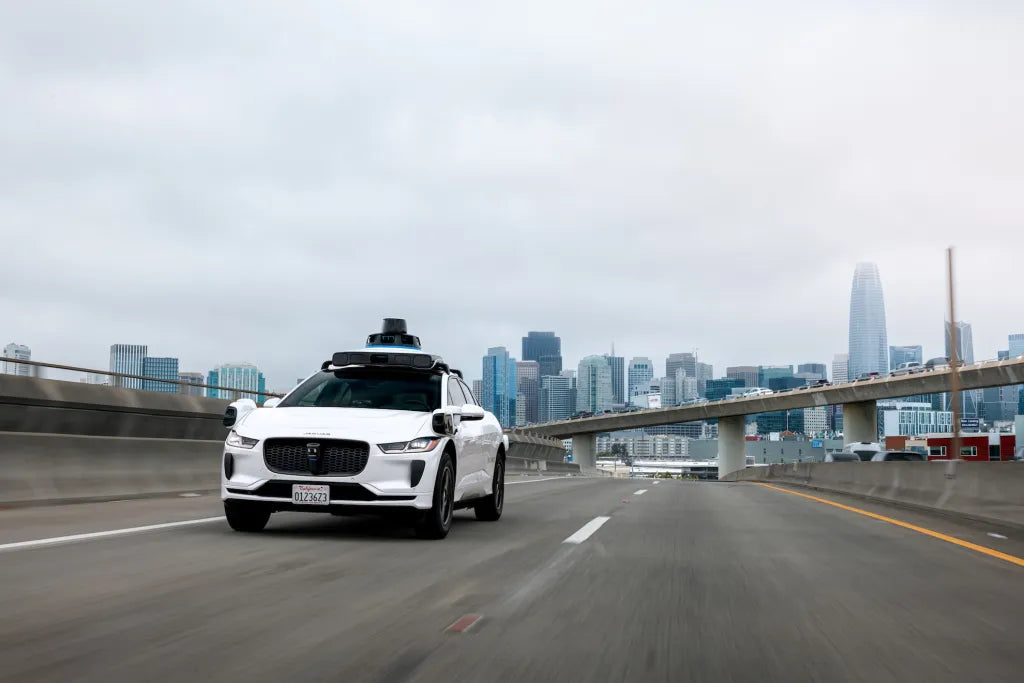
This move comes shortly after hitting a key milestone: offering paid autonomous rides on highways in San Francisco, Los Angeles and Phoenix. Achieving this level of operational capability positions Waymo as a leader in high-speed, complex driving environments.
Waymo Highlights Its Technology Advantage
In its announcement, Waymo emphasized the depth of real-world testing that underpins its technology. The company reports accumulating over 100 million autonomous miles across diverse road conditions, weather scenarios and traffic complexities.
Waymo described its operational framework as more than just a technological achievement, stating:
“We haven’t just built the technology; we’ve developed the definitive playbook for operating autonomous fleets, across dozens of sites, and industry-leading end-to-end rider support.”
This confidence underscores Waymo’s belief that its self-driving suite and operational systems provide a strong competitive advantage in a rapidly shifting mobility landscape.
A Changing Competitive Environment
Although Waymo remains the largest autonomous taxi operator in the United States, the competitive landscape is far more crowded than it was a decade ago. Amazon-owned Zoox is expanding its own ambitions, announcing that it will offer free rides in its purpose-built autonomous pods in San Francisco and Las Vegas. Zoox also operates the nation’s first dedicated factory for manufacturing custom-designed autonomous vehicles, giving it an industrial foothold that rivals are watching closely.
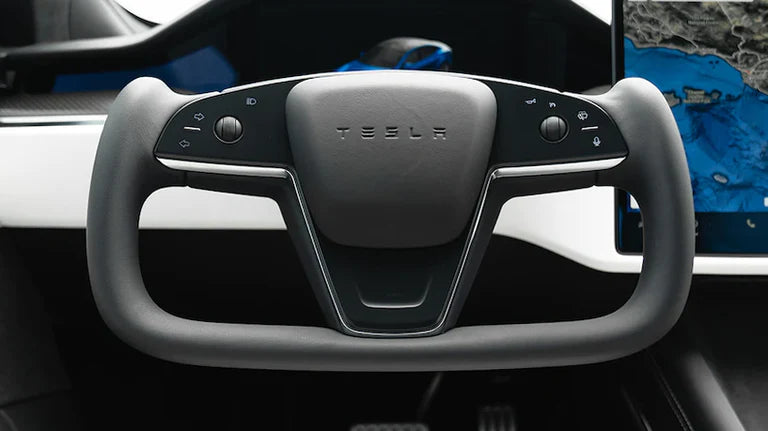
Meanwhile, Tesla is moving aggressively into the robotaxi space. After launching a small-scale service in Austin, the company received an official ride-hailing permit in Arizona, clearing the way for paid driverless trips in the state. Although Tesla still relies on human drivers in its limited San Francisco program, the company has stated publicly that it intends to scale autonomous operations once regulatory approval aligns with its Full Self-Driving roadmap.

Regulatory Scrutiny Intensifies
Waymo’s rapid expansion comes at a time of heightened federal attention. The National Highway Traffic Safety Administration (NHTSA) opened an investigation last month following an incident in which a Waymo vehicle was seen maneuvering around a school bus with its red lights flashing.
The agency’s Office of Defects Investigation (ODI) is now examining how Waymo’s autonomous software behaves around stopped school buses, a scenario with strict traffic requirements in many states. The outcome of the investigation could influence how regulators oversee future deployments of autonomous vehicles across the country.
Despite the scrutiny, Waymo is moving forward confidently, positioning itself to broaden its service network at a scale not yet seen in the U.S. robotaxi industry.
Recommend Reading: Tesla Claims Autopilot Keeps Improving — But the Data Shows More Crashes
Share:
American EVs Still Lead Global Sales, but Chinese Competitors Are Closing In
Jeep and Dodge EVs to Gain Tesla Supercharger Access Starting in 2026