



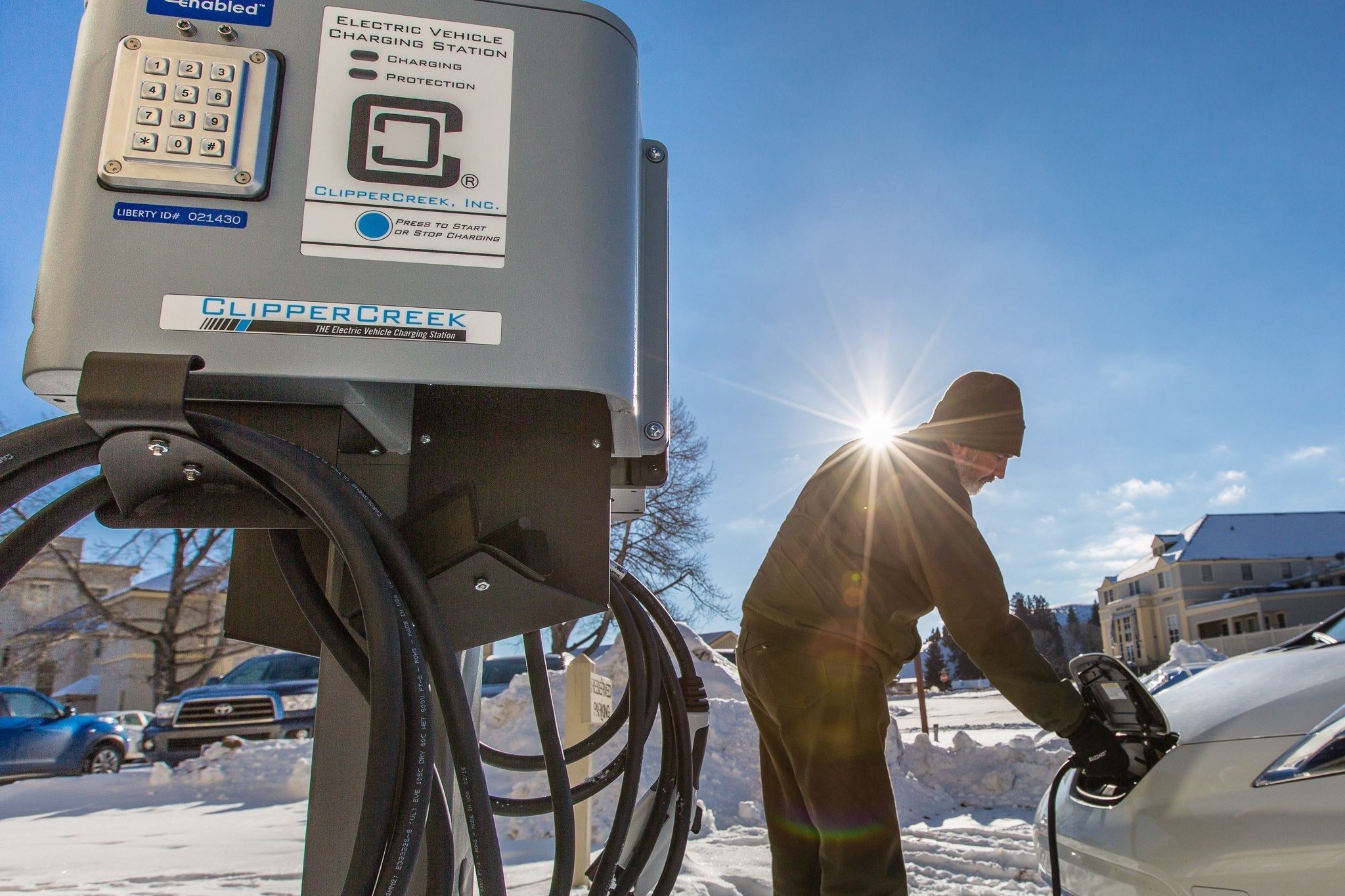
If you drive an electric vehicle (EV) and you’re planning a road trip to one of North America’s majestic national parks, you’ll want to know where you can recharge. The good news: many parks and their gateway communities are stepping up with charging infrastructure. The better news: we’ve done the research so you can pick parks that make sense for your EV trip. Below are top choices, practical details, and tips to maximise your adventure.
Choosing Parks With Charging Infrastructure
Before diving into specific parks, here are the key criteria to consider:
-
Availability of chargers inside the park or very nearby (versus only distant towns)
-
Clear information about level of charger (Level 2 vs DC fast) and connector types
-
Reliable access & minimal “range-anxiety” gaps
-
Infrastructure for camping or lodging with EV access if staying overnight
According to the National Park Service (NPS), a map created with the National Renewable Energy Laboratory shows charger locations within park boundaries and in gateway communities. While fewer than 15% of U.S. national parks currently offer on-site EV charging, the ones that do can shape a smooth EV road-trip experience.
Yellowstone National Park (Wyoming/Montana/Idaho)
One of the most EV-accessible parks in the U.S.
Yellowstone features several public EV chargers at key visitor areas including Mammoth Hot Springs and Old Faithful. Because the park spans remote terrain, charging inside reduces reliance on distant stations. Visitor-alert: cell coverage can be spotty—load your routes in advance.
Practical tips:
-
Charge fully before entering the park rim roads and plan your charging stop at a known station.
-
Use the park’s map (NPS) to locate "EVSE inside park" marker.
-
Reserve lodging if staying overnight, because some sites may have EV charging as part of amenities.

Grand Canyon National Park (Arizona)
A top choice for EV drivers thanks to well-placed infrastructure.
The South Rim area offers about 36 public chargers at five locations including Maswik Lodge and Yavapai Lodge.
What to know:
-
North Rim remains less served; the South Rim is preferred for EVs.
-
Nearby towns like Tusayan have Supercharger / fast charger options to prepare your vehicle.
-
Use scenic stops to synchronise charging time with views (e.g., Grand Canyon rim points).

Yosemite National Park (California)
Ideal for those combining stunning nature with EV-travel ease.
Yosemite has multiple Level 2 chargers in Yosemite Valley Lodge, El Portal and Tuolumne Meadows. The surrounding region (California) has one of the densest EV infrastructure networks in the U.S.
EV tips for Yosemite:
-
Because charging speed may be Level 2, budget more time—use breaks/hikes during charging.
-
Book lodging with charging options and arrive with a high state of charge.
-
Consider visiting during shoulder seasons when fewer vehicles compete for chargers.

Zion National Park (Utah)
This region offers viable options for EV travellers tackling the canyon terrain.
While inside-park fast chargers are limited, the area around Springdale offers Level 2 stations and nearby Superchargers at Cedar City / St. George.
Key recommendations:
-
Park at visitor centre, plug-in early (especially if you plan hikes).
-
Use the park shuttle bus system to maximise time while your EV charges.
-
Plan with your EV’s range: canyon terrain, altitude changes, and AC usage all matter.

Acadia National Park (Maine) & Everglades National Park (Florida)
For East Coast EV adventure travellers, these parks offer growing support.
Acadia has new EV charging stations at visitor centres and public parking. Everglades offers both Level 2 and at least one DC fast charger at visitor areas such as Shark Valley and Flamingo Marina.
Tips:
-
Charging speed will vary—if fast chargers are scarce, plan your drive and stay accordingly.
-
For Everglades especially, bring extra range margin. Remote roads + limited support = need for backup plan.

Pre-Trip Checklist for EV Road Trips in Parks
To ensure a smooth trip, follow this practical checklist:
-
Map charger locations inside and around the park ahead of time (use NPS map + apps like PlugShare).
-
Charge to full before long segments, especially in remote parks.
-
Factor in elevation changes, AC/heating usage, and off-grid driving conditions (which affect range).
-
Bring chargers, adapters, and cables for campsite hookups if applicable—some campgrounds offer 30-amp or 50-amp RV outlets.
-
Stay flexible: what appears as “available” charger may be busy or out of service—have a backup.
Looking Ahead: The Growth of EV Charging in Parks
The momentum is building. 27 national parks already host EV charging stations across the U.S. More parks are adding infrastructure as part of their sustainability strategies. For EV travellers, this means more destinations become realistic without range anxiety.
As charging networks expand, EV road trips to national parks are becoming not just possible—but increasingly convenient.
Final Thoughts
If you own an EV and you’ve wanted to explore national parks, the time is right. Parks like Yellowstone, Grand Canyon, Yosemite and Zion already provide reliable charging support—and others on the East Coast are catching up. With planning, awareness of your vehicle’s range and charger layouts, you can embark on an inspiring road trip that lets you connect with nature while staying charged and confident.
Pack your gear, map your stops, and hit the road—because your next adventure can be electric.
Recommend Reading: Traveling with Kids in an EV: Tips for Stress-Free Trips
Aktie:
Upcoming EV Charging Technologies to Watch
Pet-Friendly EV Travel: Comfort and Safety Tips