



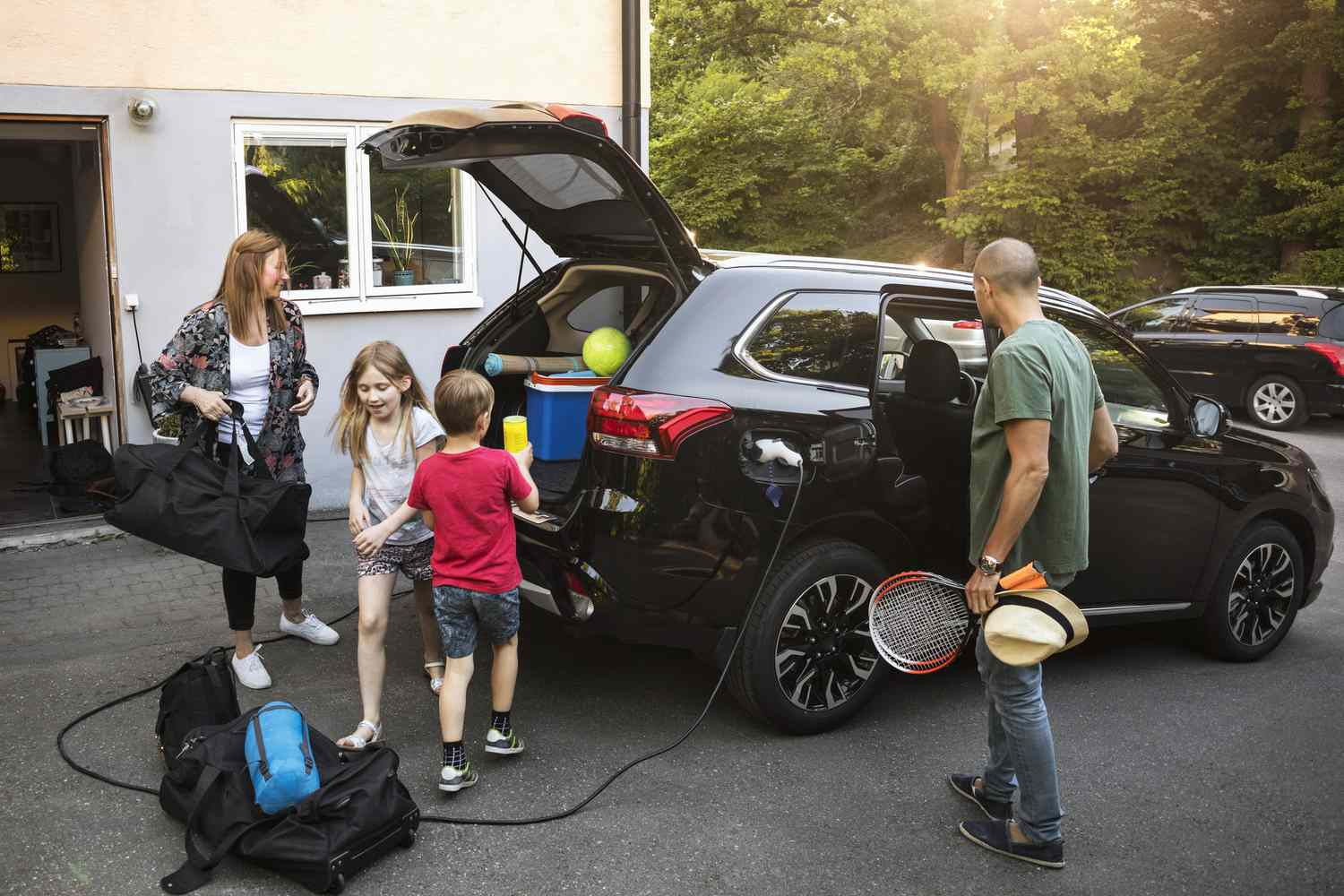
Family road trips are always an adventure—but when you’re traveling with kids in an electric vehicle (EV), the experience comes with its own unique challenges and rewards. The good news? With a bit of preparation, the right gear, and some EV-specific planning, you can keep the journey smooth, enjoyable, and even educational for the little ones.
Below, we’ve put together practical strategies and must-have items to help you plan stress-free EV trips with kids.

Plan Charging Stops Around Family Needs
One of the most important parts of EV travel is charging, and when you have kids, charging stops aren’t just about topping up the battery—they’re also a chance to stretch, snack, and recharge as a family.
-
Choose family-friendly charging stations. Many Tesla Superchargers and newer public stations are conveniently located near rest stops, shopping centers, or restaurants. Before you hit the road, use apps like PlugShare, A Better Route Planner (ABRP), or ChargePoint to filter for chargers with restrooms, playgrounds, or picnic areas nearby.
-
Involve the kids in planning. Let your children see the route and pick which stops sound fun—maybe one has an ice cream shop, while another has a short walking trail. Turning the stop into part of the adventure keeps spirits high.
-
Charge during meals. Syncing meal breaks with charging stops saves time and avoids boredom from sitting in the car waiting.
Pro tip: Always add a 10–15% buffer to your battery plan when kids are involved—you’ll thank yourself if an unexpected bathroom break or snack run pops up.
Bring Entertainment That Works Without Wi-Fi
Many charging stations and remote stretches of highway have spotty or nonexistent Wi-Fi, so it’s smart to pack entertainment that doesn’t rely on streaming.
-
Download movies or shows onto a tablet before leaving home.
-
Pack old-school fun like coloring books, travel board games, or magnetic puzzles.
-
Try audiobooks or kid-friendly podcasts for screen-free entertainment.
Pro tip: If your EV has a built-in infotainment system (like Tesla Arcade or Rivian’s streaming apps), use those while parked and charging—but don’t rely on them for the whole trip.
Keep Snacks and Drinks Easily Accessible
Hunger is often the fastest route to meltdowns on the road. Keep a dedicated snack bag within reach of your kids so you don’t need to stop every time someone gets peckish.
-
Go for low-mess options like granola bars, apple slices, cheese sticks, and squeezable yogurt packs.
-
Pack a refillable water bottle for each child. Many EVs have plenty of USB ports for portable coolers or mini fridges if you want to keep drinks cold.
-
Avoid sticky or crumbly foods that will be a nightmare to clean off the seats.
Pro tip: Create “snack packs” in small reusable containers so each child gets their own portion. This cuts down on arguments and mess.

Pack a Comfort Kit for Longer Trips
Kids travel better when they feel cozy and secure. Create a comfort kit that stays in your EV for every road trip.
-
Blanket or travel pillow for naps.
-
Noise-canceling headphones for sensitive ears.
-
Extra hoodie or sweater in case the cabin gets chilly.
-
Favorite stuffed animal or toy for familiarity.
Pro tip: Many EVs allow precise climate control by seat row—use this feature so each child can stay comfortable without affecting the whole cabin.
Safety First: Child Seats and Emergency Gear
When traveling with kids, safety takes priority. Make sure your EV is ready for family passengers before departure.
-
Check your car seats. Ensure they are properly installed and fit your child’s age and size. EVs often have spacious back seats, but double-check that your seat belts and LATCH anchors are positioned correctly.
-
Carry an emergency kit including a first-aid box, flashlight, portable tire inflator, and jumper cables (for 12V systems).
-
Don’t forget charging adapters. If you’re driving across states or into rural areas, having a J1772 adapter or extension cord can save the day.
Pro tip: Keep a backup power bank for phones and tablets in case your EV’s outlets are all in use.
Keep Travel Time Flexible
Unlike gas cars, EV trips often take a little longer due to charging breaks. With kids, this can actually be a blessing—since you’ll already be stopping more often for restrooms, snacks, and leg stretches.
-
Break the trip into shorter segments. Instead of aiming for 6–7 hours of driving, plan for 3–4 hour stretches with activities in between.
-
Look for kid-friendly attractions along the way. A playground near a charging station or a museum in a small town can become a memorable part of the trip.
-
Avoid rigid arrival times. If you’re visiting family or friends, let them know your arrival window will be flexible. This reduces stress for everyone.

Must-Have Packing Checklist
Here’s a quick EV family road trip checklist you can use before hitting the road:
For the kids:
-
Snacks & water bottles
-
Tablet with downloaded shows/movies
-
Coloring books, puzzles, or games
-
Headphones
-
Blanket, pillow, stuffed animal
-
Extra clothes & jackets
For the car:
-
Charging adapters
-
Portable cooler or mini fridge
-
Emergency kit (first-aid, flashlight, tire inflator)
-
Wipes & trash bags for quick cleanups
-
Power banks for electronics
For parents:
-
Route planned with ABRP or PlugShare
-
Travel documents, ID, and insurance
-
Sunglasses and sunshades for windows
-
Coffee or tea for long stretches
Final Thoughts
Traveling with kids in an EV doesn’t have to be stressful. In fact, with careful planning, built-in charging breaks, and the right gear, EV trips can be more family-friendly than traditional gas road trips. Charging stops create natural opportunities to stretch, explore, and bond as a family, while the quiet ride of an EV makes napping and entertainment easier for kids.
So, pack smart, stay flexible, and remember: the journey is just as important as the destination. With the right preparation, your kids may even start asking, “When’s the next EV trip?”
Recommend Reading: How to Plan an EV Road Trip Without Range Anxiety
Share:
Rainy Day EV Driving: Safety and Charging Advice
Upcoming EV Charging Technologies to Watch