



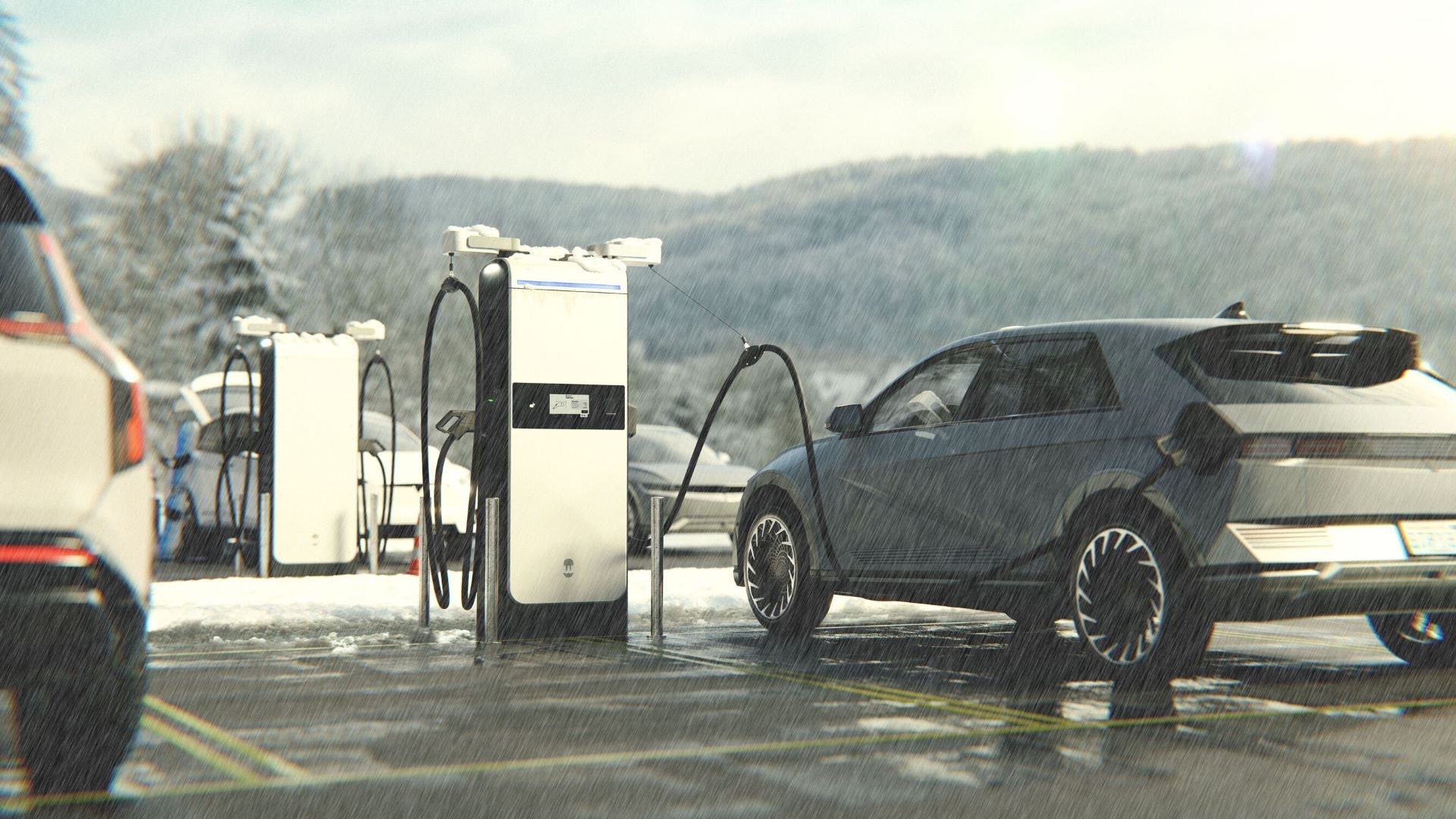
Electric vehicles (EVs) are built to handle all types of weather, including rain. However, driving and charging your EV on a rainy day does come with unique considerations. Whether you are commuting to work, planning a road trip, or just plugging in at home, it’s important to understand how to stay safe and get the most out of your EV in wet conditions.
In this guide, we’ll cover essential safety tips for rainy day driving, best practices for charging your EV in wet weather, and additional advice to keep your EV in top shape.

Understanding EV Safety in the Rain
One of the most common questions from new EV owners is: “Can I safely drive or charge my EV in the rain?” The answer is yes. EVs are designed with water-resistant battery packs, sealed charging ports, and advanced electrical safety systems that prevent short circuits.
-
Battery Pack Protection: EV batteries are enclosed in waterproof casings and tested under extreme conditions, including heavy rain and even partial flooding.
-
Charging Port Seals: The charging connectors (NACS, CCS1, or J1772) are designed with rubber seals to prevent water intrusion.
-
Automatic Shutoff: If any moisture or irregularity is detected, the car’s onboard system can cut off charging instantly.
In short: modern EVs are safer in the rain than most people think.
Driving Tips for Rainy Conditions
Even though EVs are safe in wet weather, rainy conditions bring reduced visibility and slippery roads, which require special driving habits.
1. Slow Down and Maintain Distance
EVs are known for instant torque, which means acceleration can be more abrupt than gas cars. On wet pavement, this can increase the risk of wheel spin. Drive smoothly, avoid sudden acceleration, and maintain a longer following distance.
2. Use Regenerative Braking Wisely
Regen braking is great for efficiency, but in heavy rain, it may cause your wheels to lock more quickly. Many EVs allow you to adjust regen settings — consider switching to a lower setting for better control.
3. Check Your Tires Regularly
Because EVs are heavier than gas cars, tire wear matters more. Proper tread depth ensures good grip on wet roads. A simple rule: replace tires when tread depth is below 4/32 of an inch for rainy climates.
4. Watch Out for Hydroplaning
Hydroplaning occurs when water builds up between the tires and the road. If it happens:
-
Ease off the accelerator
-
Keep the steering wheel straight
-
Avoid sudden braking or turning
5. Maximize Visibility
-
Use automatic headlights and wipers if available.
-
Apply water-repellent coatings on windows for clearer vision.
-
Always check your windshield wipers before the rainy season.
Charging Your EV Safely in the Rain
A major concern for new EV drivers is: “Is it safe to plug in when it’s raining?” The answer: Yes, it’s completely safe when done correctly.
1. Public Charging in Rain
-
All public chargers (Tesla Superchargers, CCS, J1772, etc.) are weather-rated for outdoor use.
-
The charging gun and port are designed to lock together securely so no water enters during charging.
-
If water is present on the connector, simply shake off excess drops before plugging in.
2. Home Charging in Rain
-
Level 1 and Level 2 chargers are generally weatherproof, but check the IP rating of your unit. An IP66-rated charger, for example, is safe against heavy rain.
-
If using an extension cord, make sure it is rated for outdoor use and keep all connections off the ground.
-
For extra protection, install a weatherproof cover over your outdoor outlet or charging box.
3. Portable Chargers and Travel
If you carry a portable EV charger (often Level 1 or Level 2), use these precautions:
-
Place the charging brick on a dry surface or hang it safely — never let it sit in puddles.
-
Avoid daisy-chaining multiple extension cords.
-
Always check that the plug fits snugly in the outlet.
4. What to Avoid
-
Never charge if the charging connector or port is visibly damaged.
-
Avoid charging in standing water or during extreme thunderstorms with lightning risk.
Protecting Your EV in Wet Weather
Beyond driving and charging, rainy conditions can affect your EV in other ways.
-
Cabin Air Quality: Use your car’s cabin filter and defogging function to reduce window fog.
-
Brake Maintenance: Since EVs rely heavily on regen braking, the mechanical brakes are used less, which can cause rust buildup in humid or rainy climates. Perform regular brake checks.
-
Battery Efficiency: Cold, rainy days can reduce range. Precondition your EV battery before driving if your car supports it.
-
Check Charging Accessories: Keep adapters, extension cords, and portable chargers in waterproof bags inside your trunk.

Key Takeaways
-
EVs are designed to handle rain safely — both in driving and charging.
-
Drive cautiously: reduce speed, manage regen braking, and check tires frequently.
-
Charging in the rain is safe as long as chargers are used properly and connections are kept dry.
-
A few small precautions, like using weatherproof covers and protecting accessories, can make rainy day EV driving worry-free.
Final Thoughts
Owning an EV means embracing new habits, but rain should never be a reason to avoid driving or charging. By following the above tips, you’ll not only stay safe but also extend the life of your EV and its components.
Whether you’re plugging in at a public fast charger during a storm or heading out on a wet morning commute, remember: your EV is engineered to perform reliably in all kinds of weather.
Recommend Reading: 5 Hidden EV Settings That Boost Range


Share:
Public Charging Memberships Worth the Money in 2025
Traveling with Kids in an EV: Tips for Stress-Free Trips