



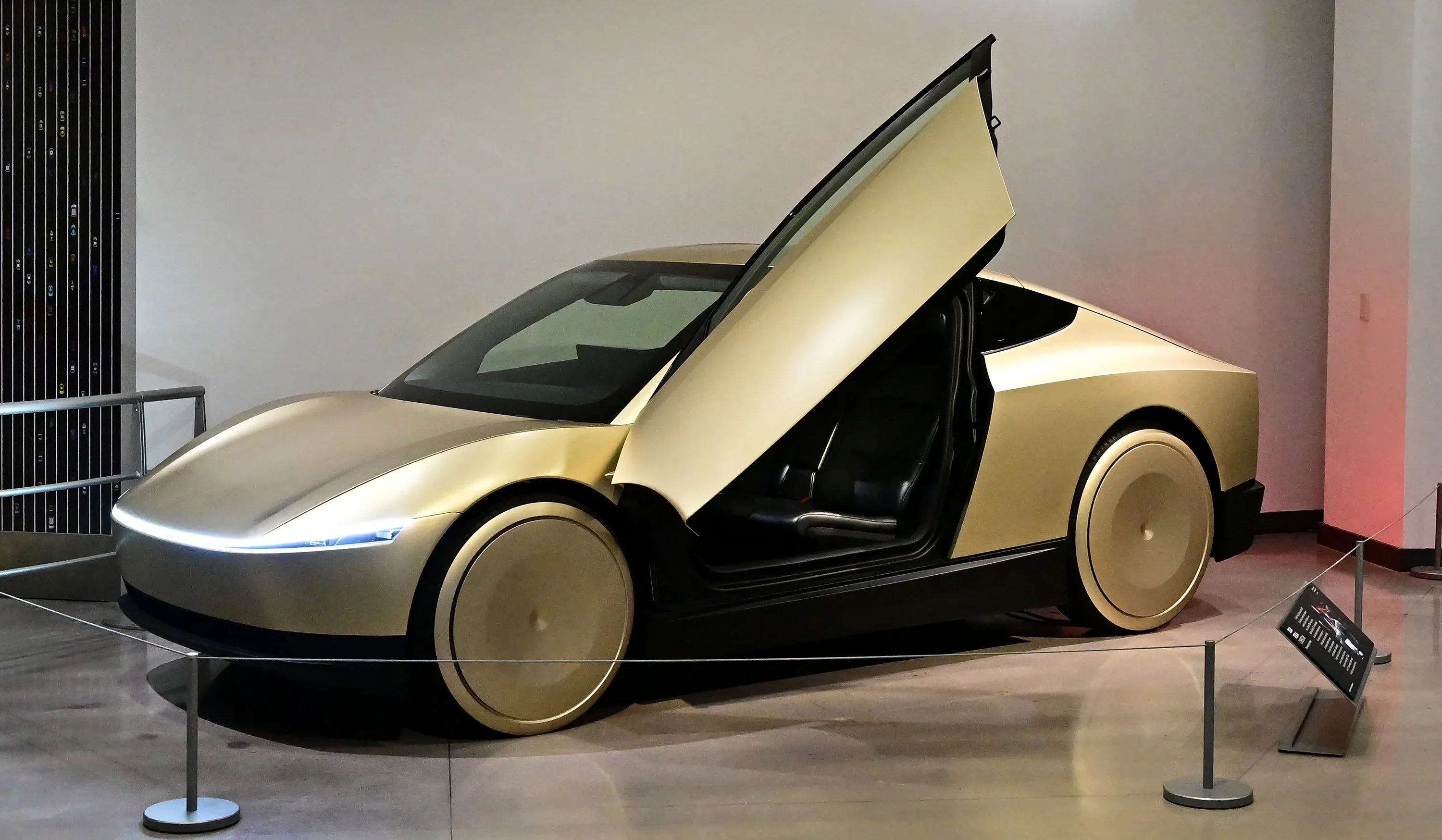
First Units Built for Dedicated Robotaxi Program
Tesla has started assembling its first purpose-built autonomous vehicle, the Cybercab, at Gigafactory Texas, according to a company statement shared Tuesday. The milestone represents a tangible step in the automaker’s strategy to move beyond driver-assistance features and into fully driverless transportation.
Unlike Tesla’s existing consumer lineup, the Cybercab was engineered from the outset for ride-hailing service. The compact two-seat vehicle, first revealed in 2024 during the company’s We Robot event, eliminates traditional driving controls such as a steering wheel and pedals. Instead, it relies entirely on Tesla’s Full Self-Driving (FSD) software to navigate.
That distinction is critical. While FSD is currently available as an option on Tesla passenger cars, it still requires active human supervision. In contrast, the Cybercab is intended to operate without a human driver in control—at least in its final form.

Autonomous Ambitions and Competitive Landscape
Chief Executive Elon Musk has repeatedly framed robotaxis as central to Tesla’s long-term business model. Alongside the company’s work on humanoid robots, he has suggested that autonomous mobility services could generate trillions of dollars in future value.
Tesla is not alone in the race. Waymo, a subsidiary of Alphabet, and Zoox, backed by Amazon, already operate purpose-built driverless vehicles in limited markets. Waymo’s fleet is providing public rides in select U.S. cities, while Zoox continues testing its pod-shaped autonomous shuttles.
Tesla has taken a more incremental path. In cities such as Austin and parts of the San Francisco Bay Area, Model Y vehicles equipped with FSD are offering ride services. Many of those cars still include human safety monitors. According to data compiled by Robotaxi Tracker, the number of Teslas operating in Austin without a safety driver has recently increased to seven vehicles, signaling gradual expansion.
Production Plans and Manufacturing Strategy
Musk stated earlier this week that Cybercab production was scheduled to commence in April. The initial vehicles emerging from the Texas facility are likely early builds, with broader scaling expected in the second quarter.
In previous remarks, Musk claimed that Tesla’s simplified manufacturing approach could eventually enable annual output of up to five million robotaxis. Such projections have historically drawn skepticism, as the company has often faced delays in meeting ambitious timelines.
Central to Tesla’s cost strategy is a revised assembly method referred to internally as “Unboxed.” Rather than constructing the vehicle in a single linear process, different modules of the Cybercab are built separately and later combined. Tesla argues that this system can reduce factory footprint, streamline logistics, and cut expenses.
However, implementing a new production architecture at scale carries risk. Earlier this year, Musk acknowledged that early build rates would be “extremely slow” as teams refine the process. Establishing consistent quality and throughput will be essential before the Cybercab can move into high-volume manufacturing.
Regulatory and Software Hurdles Ahead
Even as hardware production begins, software performance remains under scrutiny. Tesla’s FSD system has faced investigations by the National Highway Traffic Safety Administration (NHTSA) related to crashes involving vehicles operating with driver-assistance features engaged.
Although Tesla maintains that its technology improves safety over time, regulators continue to evaluate its performance and transparency. For the Cybercab, which removes the human fallback entirely, regulatory approval and demonstrated reliability will be crucial.
The transition from supervised driver-assistance to unsupervised autonomy represents a substantial leap. Achieving that goal will require not only manufacturing consistency but also validation that the software can handle complex urban environments without intervention.

A Pivotal Year for U.S. Robotaxis
The start of Cybercab production suggests that Tesla is entering a new phase in its autonomous roadmap. Yet moving from prototype builds to widespread commercial deployment will test both engineering execution and public acceptance.
With competitors expanding services and regulators closely monitoring developments, the coming months may clarify whether Tesla can translate its technological vision into a scalable transportation business.
For now, the Cybercab’s arrival on the production line marks progress—but the broader challenge of delivering reliable, fully autonomous rides at scale is only beginning.
Recommend Reading: Tesla’s Robotaxi Rollout Lagged Behind Its 2025 Promises
Aktie:
2026 Toyota RAV4 Plug-In Hybrid Price and Specs Update
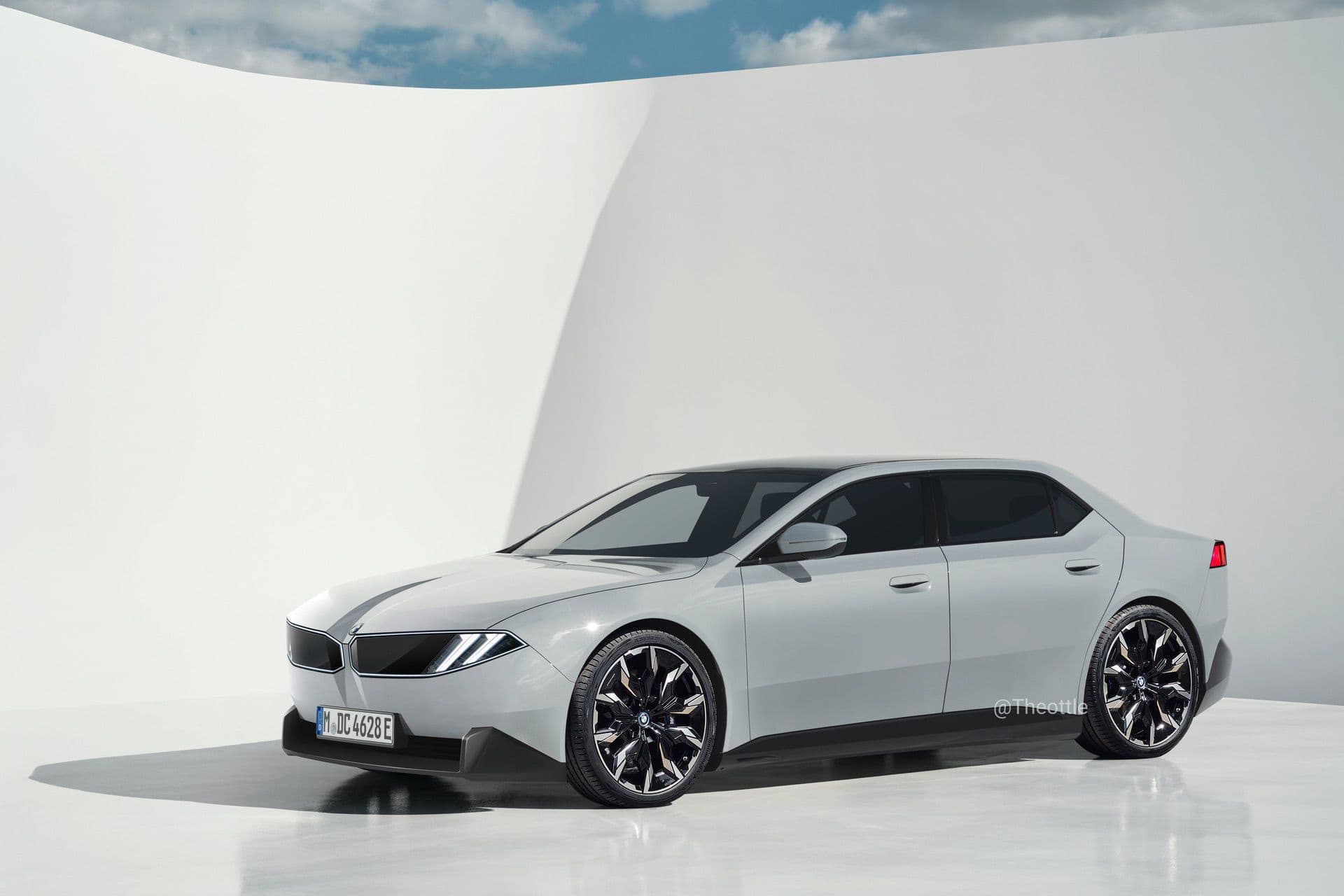
When Will the 2027 BMW i3 Electric 3 Series Arrive?