



Ford CEO Jim Farley called it, and now the numbers prove him right. When the federal $7,500 EV tax credit expired on September 30, Farley warned that electric vehicle sales would take a major hit. Just one month later, that prediction has come true.
According to J.D. Power and S&P Global Mobility, the U.S. EV market share in October plummeted to around 5%, down from a record high of over 12% in September. That’s not only a steep month-to-month drop, but also a sharp decline from the 8% share recorded in October 2024. The last time EVs accounted for just 5% of American vehicle sales was back in early 2022.
S&P Global Mobility estimates that about 64,000 new electric vehicles were sold in October — less than half of the nearly 150,000 EVs sold in September, as buyers rushed to take advantage of the final days of the federal incentive. Plug-in hybrids suffered as well, dropping from 2.2% of sales in September to just 1% in October.

A Post-Tax-Credit Reality Check
“The automotive industry is experiencing a significant recalibration,” said Tyson Jominy, senior vice president at J.D. Power. With federal incentives gone, EVs are now competing on price and performance alone, and that’s proving to be a tough sell for many consumers.
The sudden decline, however, isn’t just about higher prices. Analysts say the market is also dealing with what S&P Global calls an “EV hangover” — a pull-forward effect caused by the summer buying surge. With so many customers rushing to buy EVs before the tax credit expired, the following months were bound to see a sharp dip.
Still, it could have been worse. “Manufacturer actions to reduce EV prices and increase discounts are helping maintain affordability,” noted Thomas King, president of J.D. Power’s data and analytics division.
Automakers Scramble To Keep EVs Moving
To keep inventory moving, automakers are now offering aggressive incentives. Hyundai cut prices for the 2026 Ioniq 5 by up to $9,800. BMW offered $7,500 lease credits through October. Other brands, including Ford, Nissan, and Volkswagen, have rolled out similar deals to offset the lost tax credit.
Even so, the broader EV landscape looks uncertain. The Trump administration’s rollback of emissions rules and the suspension of California’s EV sales mandate mean automakers no longer face penalties for delaying electrification. As a result, many are shifting focus back to their gas-powered best-sellers.
A Widening Pullback Across the Industry
Several automakers have already hit the brakes on their EV plans:
-
Acura axed its ZDX SUV after just one model year.
-
Ford paused production of the F-150 Lightning through year-end.
-
General Motors will build the 2027 Chevrolet Bolt on one shift instead of two, laying off 1,750 workers.
-
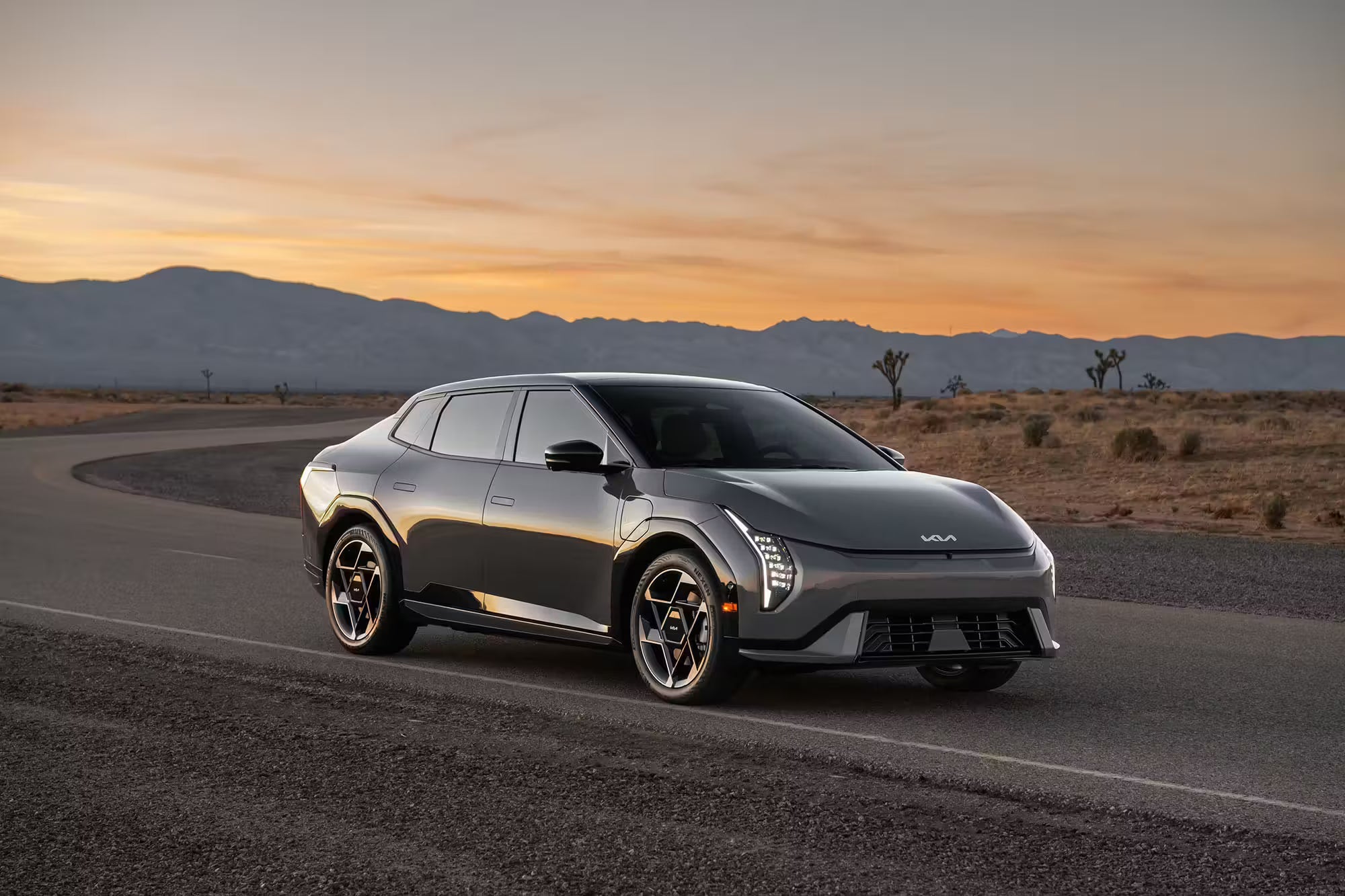
Kia delayed its EV4 sedan “until further notice.”
This wave of production slowdowns reflects broader anxiety about EV demand and profitability. S&P Global Mobility now expects “continued volatility” in EV sales and “a significant drop in adoption” through the end of 2025.

Short-Term Pain, Long-Term Potential
Most experts still believe the U.S. EV market will recover and expand over the next few years, though at a slower pace than during the Biden era. Technological progress, falling battery costs, and improved infrastructure will help, but in the near term, the road ahead looks rough.
For now, the EV boom has hit a speed bump — one that could reshape how automakers, policymakers, and consumers approach the electric future.
Recommend Reading: GM’s Record EV Sales Come With a $1.6 Billion Cost


Aktie:
Kia EV4 U.S. Launch Put On Hold Amid EV Market Uncertainty
Used BMW iXs Are a Hidden Luxury EV Bargain