



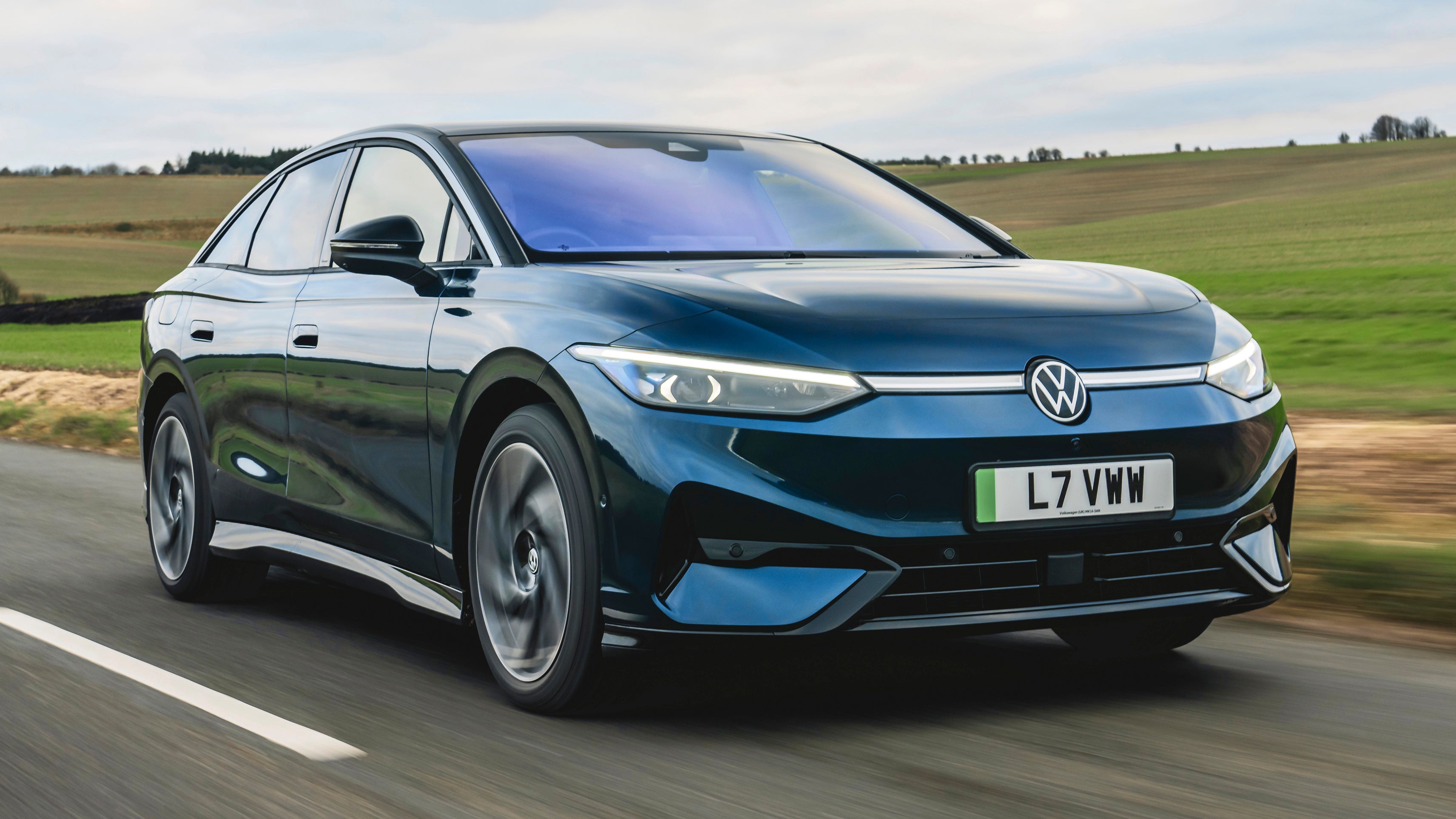
Volkswagen has overtaken Tesla in Europe, demonstrating that legacy automakers can compete effectively in the electric vehicle market. With strong sales and improved models, Volkswagen proves that experience, scale, and software fixes can deliver real results.

VW’s Strong Performance in Europe
Volkswagen sold 274,417 electric vehicles across the European Union, the UK, and EFTA countries—including Iceland, Liechtenstein, Norway, and Switzerland—in 2025. This represents a 56% increase over 2024, driven primarily by the success of the ID.3 hatchback, ID.4 crossover, and ID.7 sedan and wagon.
Although no single Volkswagen model topped the sales charts individually, combined sales of VW’s EV lineup outpaced Tesla, whose European sales fell 27% year-over-year.
Tesla’s Decline
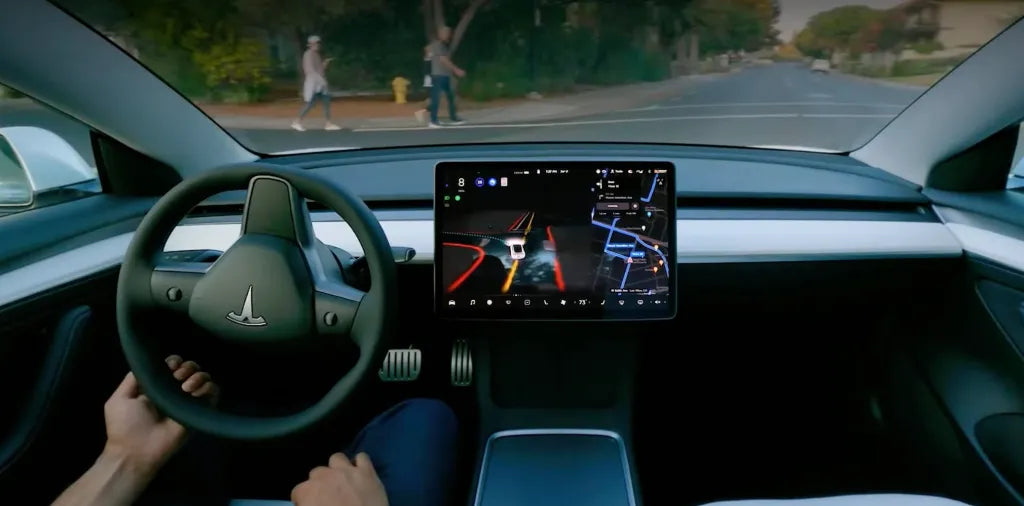
Tesla sold 238,765 EVs in Europe during 2025, a notable decline from the previous year. The Model Y remained its best-selling vehicle at 151,331 units (down 28%), while the Model 3 sold 86,261 units (down 23.6%).
This shift marks a turning point in Europe’s EV market, with traditional automakers taking advantage of Tesla’s slowing momentum.
Best-Selling EV Brands in Europe, 2025
Overcoming Early Software Issues
Volkswagen’s early ID models, including the ID.3 and ID.4, faced software glitches such as unresponsive touchscreens, lagging menus, and malfunctioning controls. However, recent software updates have resolved most of these problems, making VW’s EVs more reliable and user-friendly.
This turnaround has been crucial for building consumer confidence and establishing VW as a serious contender in the European EV market.
Expanding the ID Lineup
Volkswagen is now preparing to launch more affordable EVs, including the ID. Polo and ID. Polo Cross. Lessons from the ID.4 are being integrated, such as physical buttons for essential functions, including rear electric windows, addressing one of the key complaints from early adopters.
These new models are expected to broaden VW’s customer base and strengthen its market position.
Growth Beyond Volkswagen
Other European brands are also capitalizing on Tesla’s slowdown. BMW, with the iX3 and upcoming i3, is steadily gaining ground. Skoda achieved significant growth thanks to the affordable Enyaq and Elroq models, while Audi increased sales by 51% with updated EV offerings.
Combined, these traditional automakers are proving that well-executed EV strategies, competitive pricing, and improved reliability can challenge Tesla’s dominance in Europe.

Looking Ahead
Volkswagen’s achievement in 2025 signals a shift in the European EV market. Legacy automakers that refine software, expand model lineups, and focus on user experience are increasingly competitive. Tesla remains a strong player, but the market now rewards versatility, affordability, and operational reliability, areas where traditional manufacturers are excelling.
Recommend Reading: Renault Electric Vehicle Sales Surge Across Europe in 2025
Aktie:
Chinese EV Brands Shift Focus to Customer Experience
Tesla Launches Robotaxi Rides in Austin Without Safety Monitors