



Introduction: Diverging Battery Performance Reports
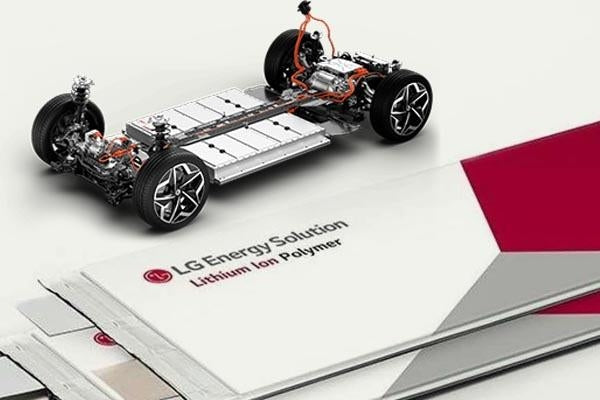
Tesla uses a mix of high-voltage battery suppliers across its global lineup, resulting in different cell chemistries and performance profiles depending on where the vehicle is produced. A new claim from a European EV repair specialist suggests that some China-built LG Energy Solution (LGES) packs may experience significantly higher degradation than their U.S. or European counterparts.

Supplier Differences Across Tesla Models
Tesla continues to expand production of its in-house 4680 cells for models like the Model Y and Cybertruck in the United States. Yet the company still relies heavily on external suppliers—including LGES, Panasonic, and CATL—for vehicles sold in North America, Europe, and Asia.
According to a recent report from Croatia, LGES packs manufactured in China may not match the durability of packs built in other regions. These findings have sparked renewed discussion about how supplier variation affects long-term EV performance.
Repair Shop Claims: High Resistance and Early Failures
EV Clinic, a Zagreb-based repair and R&D facility, posted its findings on X, stating that the LGES nickel-manganese-cobalt (NCM811) cells used in China-built Model 3 and Model Y vehicles show “extremely high failure rates” and degrade faster than Panasonic’s nickel-cobalt-aluminum (NCA) cells produced in the U.S.
The shop reported that over 90% of the LGES battery packs it receives cannot be repaired at the cell level, largely because many cells exhibit unacceptably high internal resistance. Elevated resistance can cause excessive heat, reduced power output, shorter driving range, and overall instability. In healthy cells, resistance remains low to ensure efficient energy flow.
The repair center stated that it is common to find LGES cells from the company’s Nanjing facility measuring over 100 milliohms, well above what it considers safe operating levels. It concluded bluntly that the cells are “catastrophic,” noting that even replacing faulty cells with donor units often results in cascading failures that can drive up warranty claims and labor hours.
Comparisons With Panasonic and Other Regional Suppliers
By contrast, EV Clinic said that Panasonic’s NCA cells show far lower internal resistance, indicating better health and slower degradation over time. It also argued that nickel-based battery production in Europe and the U.S.—including output from Panasonic and Samsung SDI—still appears to outperform nickel-based LGES cells made in China.
However, the shop recognized that China remains dominant in producing lithium-iron-phosphate (LFP) batteries, a chemistry now spreading rapidly in Western markets due to cost and durability advantages.
The report estimated a Panasonic NCA cell lifespan of roughly 248,000 miles (400,000 km), compared with approximately 155,000 miles (250,000 km) for the China-made LGES packs. The repair shop did not specify which model years were evaluated, nor whether the issue is tied to a particular production batch.
Requests for comment from LGES went unanswered, and Tesla did not provide any response.

Context: Broader EV Battery Reliability Trends
Although the claims are attention-grabbing, it is worth viewing them within the broader context of modern EV technology. Battery systems have advanced significantly, and only a small portion of EVs sold since 2022 have required pack replacements, according to industry studies. Overall, high-voltage EV batteries remain more reliable and resilient than earlier generations.
Still, because Tesla is widely regarded as a benchmark for EV performance, any suggestion of inconsistent battery quality across regions carries reputational risk—especially as the company pursues ambitious production targets and faces heightened scrutiny over executive compensation.
Recommend Reading: Hyundai Opens $817M Battery Campus to Advance Next-Gen EV Innovation

Partager:
Porsche Cayenne EV Draws Strong Early Interest With 110,000 Configurations
Lucid Gravity Touring Charging Test Shows Strong Early Speed but Slow Final 20%