





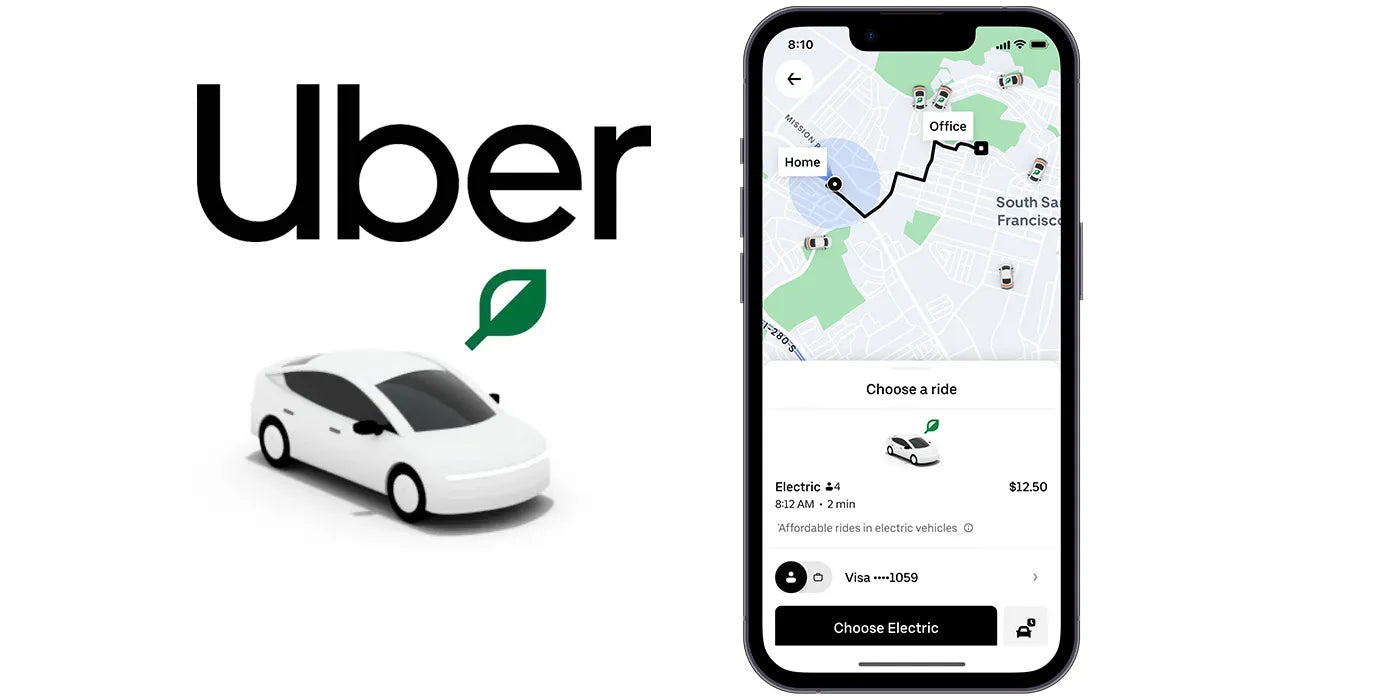
Nationwide Rollout of EV Grants
Uber has broadened its financial incentive program for electric vehicle adoption, making it available to drivers across the entire United States. Previously limited to select regions such as New York City, California, Massachusetts, and Colorado, the initiative now covers all eligible drivers nationwide.
Under the updated scheme, qualifying drivers can receive a $4,000 grant when they transition to an electric vehicle. The expansion comes at a time when federal incentives, including the former $7,500 EV tax credit, are no longer in place, increasing the importance of private-sector support.

Eligibility Requirements and Timeline
The program, known as the “Go Electric” initiative, targets drivers with higher engagement levels on the platform. Specifically, those holding Platinum or Diamond status are eligible to apply.
To secure the grant, participants must switch to an electric vehicle and complete at least 100 qualifying trips by December 31, 2026. Applications can be submitted through Uber’s official platform, with processing scheduled to begin on April 16.
This structure is designed to reward active drivers while encouraging a measurable shift toward electric mobility within the network.
Additional Discounts Through Partnerships
Beyond the direct grant, Uber has introduced further incentives through collaborations with automakers and online marketplaces. A partnership with Kia provides drivers with exclusive discounts on several EV models.
Eligible participants can receive $1,000 off vehicles such as the Niro EV and EV6, while the larger EV9 SUV qualifies for a $1,500 reduction. These offers aim to lower the upfront cost of purchasing a new electric vehicle.
In addition, Uber has teamed up with TrueCar, enabling drivers to access a $1,000 discount on both new and pre-owned electric cars purchased through the platform.
Strategic Push Toward Electrification
Uber’s expanded program reflects a broader effort to accelerate the transition to electric transportation within its ecosystem. According to Andrew Cornelia, the company’s Global Head of Electrification and Sustainability, the shift is being driven largely by driver adoption as ownership costs for EVs become more favorable.
He emphasized that Uber intends to continue reducing financial barriers by working with partners and supporting the development of charging infrastructure. Improved access to reliable charging is seen as a key factor in sustaining long-term adoption.
Current EV Adoption on the Platform
The company reports that more than 286,000 electric vehicles are currently active on its platform worldwide, making it one of the largest networks for zero-emission rides.
Adoption rates among Uber drivers are also increasing rapidly. In regions such as the United States, Canada, and Europe, drivers on the platform are transitioning to EVs at a pace up to five times faster than the general driving population.
This trend suggests that financial incentives, combined with operational savings from lower fuel and maintenance costs, are playing a significant role in influencing driver behavior.
Market Context and Challenges
The expansion of Uber’s incentive program comes amid shifting conditions in the EV market. Rising fuel prices continue to make electric vehicles more appealing, but the removal of federal subsidies has created uncertainty for many potential buyers.
Private initiatives like Uber’s grant program are increasingly filling the gap left by government incentives. However, challenges remain, including vehicle affordability and access to charging infrastructure, particularly in less urban areas.

Outlook for EV Adoption in Ride-Hailing
By extending its incentives nationwide, Uber is positioning itself to play a larger role in the transition to electric mobility. The combination of direct financial support, manufacturer discounts, and marketplace partnerships aims to make EV ownership more accessible for drivers.
If adoption continues at the current pace, the number of electric vehicles on the platform is expected to grow significantly in the coming years. This could contribute to reduced operating costs for drivers and lower emissions across urban transportation networks.
Recommend Reading: Toyota Offers Large Incentives on 2026 Electric Models











Share:
Ford Plans Budget EV to Rival Model 3 and Model Y
Tesla Q1 2026 Deliveries Miss Forecast Despite Growth