





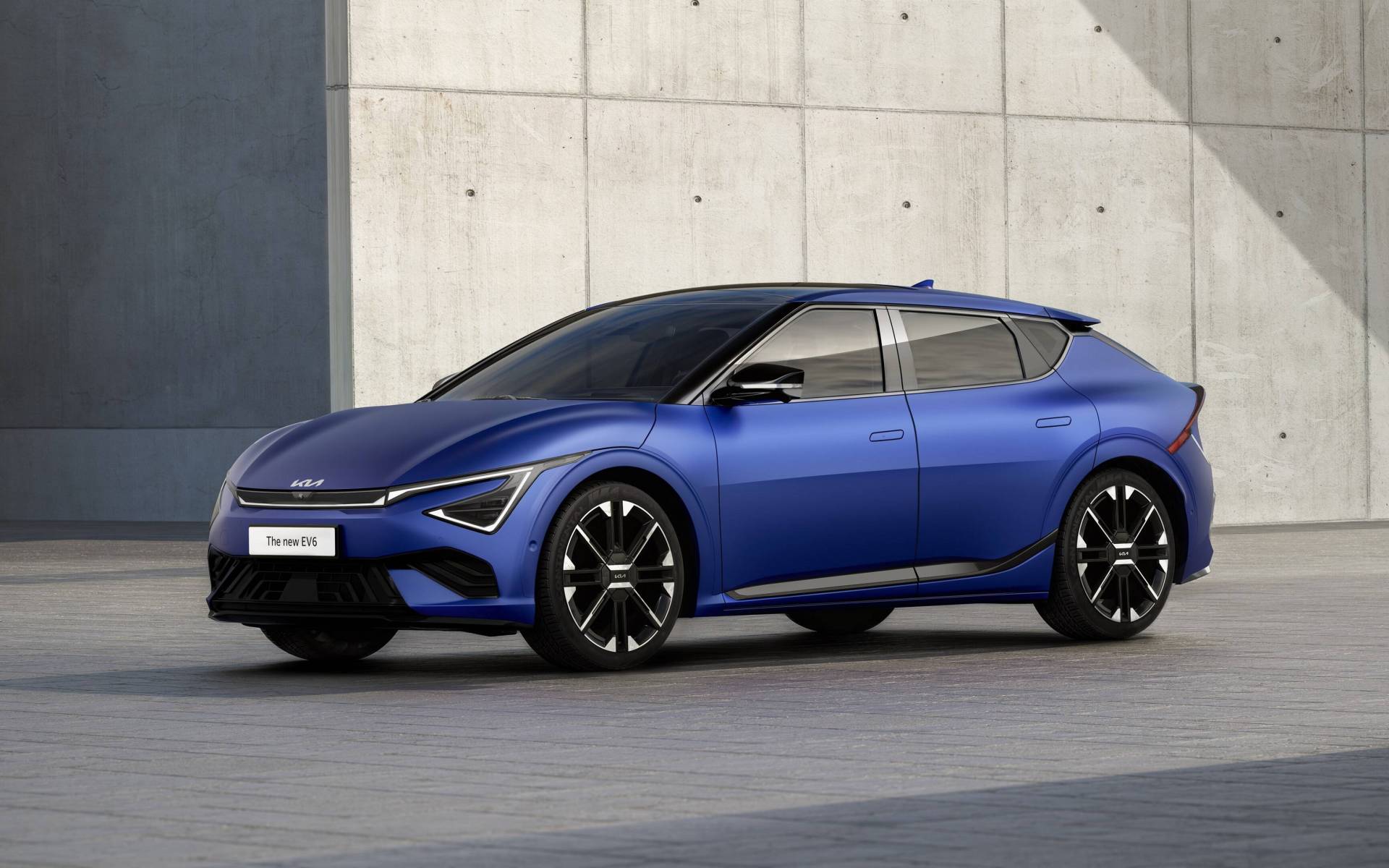
Performance EV Plans Put on Pause
Kia has postponed the arrival of the 2026 Kia EV6 GT in the United States, stating that the model will be delayed until further notice. A spokesperson confirmed the decision, explaining that recent shifts in the American EV market prompted the company to reconsider its rollout plans.
The EV6 GT had represented the highest-performance version of the EV6 lineup available to American buyers. While it gained attention for its strong acceleration and sporty driving character, Kia is now reevaluating how it positions the model in a market that has become more challenging for imported electric vehicles.

Tax Credit Changes and Falling Demand
One of the main pressures affecting the EV6 lineup has been the loss of the $7,500 federal EV tax credit for certain imported vehicles. Without that incentive, the EV6 became less competitive in price compared with models produced in the United States.
Sales numbers illustrate the impact. During the first two months of the year, Kia sold 1,140 EV6 vehicles in the U.S. market. That total represents less than half of what the company achieved during the same period the previous year.
Kia does not release detailed sales figures for individual trims, but it is widely assumed that the EV6 GT, as the most expensive configuration in the lineup, likely accounted for the smallest portion of total deliveries.
Import Tariffs Also Affect the GT Variant
Production location has also played a role in the decision. The high-performance EV6 GT is built in South Korea and shipped to the United States, meaning it faces a 15% import tariff.
Other EV6 versions sold in the U.S. do not have this problem. Those models are assembled at Kia’s manufacturing facility in West Point, Georgia, allowing them to avoid the additional tariff costs. Because of this, Kia confirmed that the delay does not affect the rest of the EV6 range, which will continue to be sold normally.
According to the company, maintaining value for customers while adapting to evolving market conditions was the key reason behind pausing the GT model.
What Made the EV6 GT Stand Out
The most recent version of the performance EV debuted at the Los Angeles Auto Show alongside updates for the rest of the EV6 family. The 2025 EV6 GT carried a starting price of $65,345 and introduced several technical upgrades.
Among the changes were a refreshed exterior design, an improved interior interface with a new infotainment system, and a larger battery pack. The car also adopted the NACS charging port, allowing compatibility with Tesla-style charging infrastructure.
Performance was the defining feature of the model. The EV6 GT used an 84-kWh battery paired with dual electric motors capable of producing up to 641 horsepower when Launch Mode was activated.
With that setup, the vehicle could accelerate from 0 to 60 mph in about 3.4 seconds and reach a top speed of 161 mph, placing it among the quickest electric crossovers in its segment.
Beyond straight-line speed, reviewers often highlighted the vehicle’s chassis tuning and suspension setup, which delivered a responsive driving feel unusual for a crossover-style EV.
Limited Availability of the Current Model
For American customers hoping to purchase the current generation, the situation is becoming uncertain. The 2025 EV6 GT is no longer listed on Kia’s official U.S. website, suggesting production or allocation for the American market has stopped.
However, some vehicles may still remain in dealer inventory. Buyers interested in the model may need to check with local dealerships to see whether any unsold units are still available.
Additional Kia EV Models Face Delays
The EV6 GT is not the only Kia electric vehicle facing uncertainty in the U.S. market. Two upcoming models—the EV3 compact electric hatchback and the EV4 electric sedan—have also been postponed indefinitely for the American market.
These delays reflect broader industry challenges, including shifting consumer demand, policy changes affecting EV incentives, and evolving manufacturing strategies.

Part of a Broader Trend in the U.S. EV Market
Kia’s decision also mirrors actions taken by other automakers as they reassess their electric vehicle strategies in the United States.
Recently, Hyundai indicated that it would only bring the high-performance Ioniq 6 N variant to the American market rather than the full lineup. Other companies have also slowed or canceled projects.
For example, production of the Ford F-150 Lightning electric pickup ended last year, and Ram abandoned its plan to launch an all-electric 1500 truck before the model reached dealerships.
Together, these moves suggest that the rapid expansion of EV offerings in the U.S. is entering a more cautious phase, with manufacturers adjusting product plans in response to market realities.
Recommend Reading: Why Kia’s EV Sales Are Slowing in the U.S.


Share:
BYD Introduces 1.5 MW EV Chargers That Add Hundreds of Miles in Minutes
Hyundai Plans to End Most Ioniq 6 Sales in the United States