



Massive Recall Affects Hundreds of Thousands

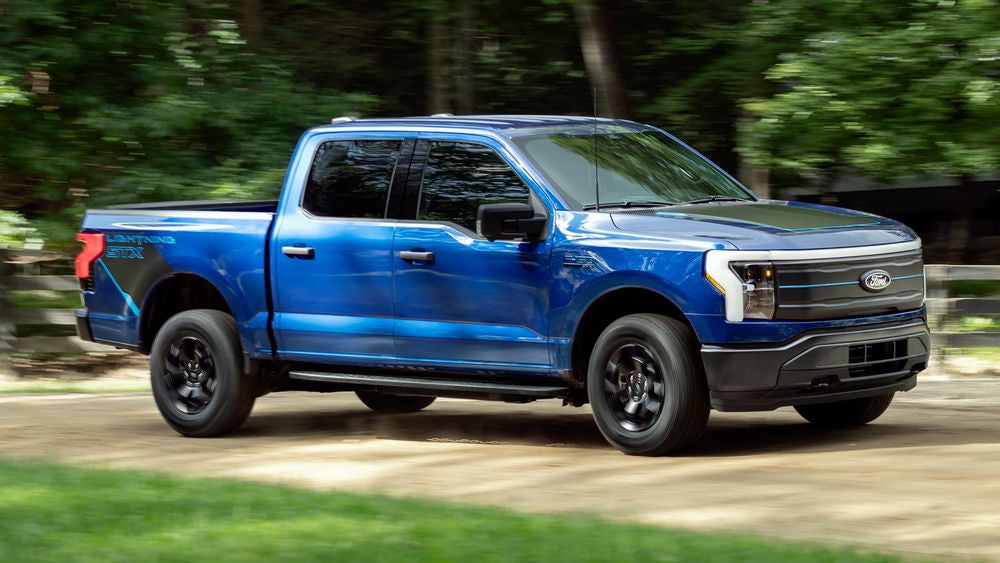
Ford is recalling 272,645 vehicles in the U.S., including 104,113 F-150 Lightning pickups, 88,064 Mustang Mach-E crossovers, and 80,468 Maverick hybrid pickups, after discovering a potential rollaway risk caused by a transmission issue.

The problem stems from the integrated park module, which may fail to fully engage the Park position in certain cases. If the transmission does not lock properly, the vehicle could move unexpectedly, increasing the risk of accidents, particularly if the parking brake is not fully engaged.

Ford F-150


What Causes the Problem

According to Ford, the integrated parking module’s pawl can bind against a nearby slider, preventing it from returning to the fully engaged position. Ford emphasized there is no mechanical defect in the components themselves; instead, the problem can be addressed with a software update.

The update targets the Secondary On Board Diagnostic Module C (SOBDMC) and is designed to ensure the transmission correctly registers the Park position. Once installed, the vehicle will display a “P” on the dashboard when properly in Park, and the service icon will no longer appear.


How the Fix Will Be Delivered

Ford plans to release the update both at dealerships and over-the-air (OTA). However, the software is not yet available. The automaker expects it to be rolled out in the near future.

In the meantime, owners are advised to keep the parking brake engaged and ensure it functions correctly. If the pawl binds to the slider, the car may not display “P” on the dashboard, signaling that drivers should double-check that the vehicle is secure.


A Record Year for Ford Recalls

This recall is just one of nearly 150 recalls issued by Ford in 2025, highlighting a busy year for the automaker in terms of vehicle safety and quality control. By comparison, Stellantis has issued 53 recalls, while General Motors follows with 27.

Many of Ford’s 2025 recalls affect electric and hybrid models, reflecting the growing complexity of EV systems and software-driven components. While no physical defect exists in the parking module, software reliability has become crucial to vehicle safety, especially for fully electric pickups like the F-150 Lightning.


What Owners Should Do

Ford owners affected by the recall should:

  • Check that the parking brake is engaged before leaving the vehicle.

  • Wait for the official software update, which will resolve the Park engagement issue.

  • Monitor dashboard alerts, and if the “P” symbol does not appear, treat the vehicle as potentially unsecured.

Despite the inconvenience, Ford assures that the update will fully address the problem, preventing any risk of unintended rollaway events once installed.

Ford F-150


The Broader Implications

As EVs and hybrids become more common, software-related recalls may increase in frequency, even when no mechanical faults exist. The F-150 Lightning recall underscores the importance of over-the-air updates and careful monitoring of vehicle software systems to maintain safety.

With millions of vehicles on the road, addressing potential rollaway risks proactively is critical for maintaining consumer confidence in electric and hybrid trucks.

Recommend Reading: Ford Ends the Current F-150 Lightning as It Reworks Its EV Pickup Strategy

FAQs - Chinese Electric Vehicles for U.S. EV Users

What is Ford BlueCruise and how does it work?

Ford BlueCruise is Ford’s hands-free driving technology, available on select highways in North America known as Blue Zones. It uses a combination of adaptive cruise control, lane centering, GPS mapping, and driver-facing cameras to allow hands-free driving while ensuring the driver stays attentive.

Which Ford and Lincoln vehicles come with BlueCruise?

As of 2025, BlueCruise is available on popular models such as the Ford Mustang Mach-E, F-150 Lightning, F-150, Expedition, and Lincoln Navigator, Aviator, and Corsair. Ford plans to expand BlueCruise availability across more EVs and traditional vehicles in the coming years.

How much does Ford BlueCruise cost?

BlueCruise typically comes with a trial period (90 days to 3 years depending on the model) and requires a subscription afterward. Pricing starts around $800 per year or $75 per month, though packages vary by vehicle and dealer promotions.

What are Ford BlueCruise Blue Zones?

Blue Zones are pre-mapped divided highways where BlueCruise has been validated for hands-free driving. As of 2025, Blue Zones cover over 200,000 miles of highways in the U.S. and Canada, with Ford expanding coverage via over-the-air updates.

Is Ford BlueCruise the same as Tesla Autopilot or GM Super Cruise?

No. While all are advanced driver-assistance systems (ADAS), each works differently. Tesla Autopilot relies on camera-based vision AI, GM Super Cruise uses LiDAR-based HD maps, and Ford BlueCruise combines adaptive cruise control, lane centering, and driver monitoring. BlueCruise is designed for practical, safe highway driving rather than full autonomy.

Does Ford BlueCruise work in bad weather or heavy traffic?

BlueCruise can operate in rain, fog, and stop-and-go traffic, but performance may be limited in severe weather conditions such as snowstorms or when lane markings are not visible. The system always requires the driver to remain attentive and ready to take over.

Can Ford BlueCruise be updated with new features?

Yes. BlueCruise is designed with over-the-air (OTA) update capability, meaning Ford can release new features, expand Blue Zones, and improve system performance without requiring a dealership visit. This makes BlueCruise future-proof compared to traditional ADAS systems.

Does Ford BlueCruise make a vehicle fully self-driving?

No. Ford BlueCruise is classified as a Level 2 autonomous driving system under SAE standards. This means it offers hands-free capability under specific conditions, but the driver must remain alert and keep eyes on the road at all times.

What are the safety features of Ford BlueCruise?

BlueCruise uses infrared driver-facing cameras to ensure the driver’s eyes remain on the road. If the driver looks away too long, the system issues warnings and will gradually slow down the vehicle if no response is detected. This makes it safer than systems that allow driver inattention.

What is the future of Ford BlueCruise technology?

Ford plans to continue expanding BlueCruise with more mapped roads, improved lane-change automation, and integration with EV platforms such as the Mustang Mach-E and F-150 Lightning. By 2030, Ford aims to make BlueCruise a cornerstone of its connected vehicle ecosystem, competing directly with Tesla FSD and GM Super Cruise.

EV News

View all

Ford’s Affordable EV Platform Faces Uncertain Future in Europe

Ford’s Affordable EV Platform Faces Uncertain Future in Europe

Ford’s Universal EV platform faces an uncertain European launch. High engineering costs, low pickup demand, and dependence on partner-built vehicles challenge the company’s ability to compete in Europe’s growing EV market.

Read more

Used Tesla Cybertruck Prices Keep Sliding as Demand Falters

Used Tesla Cybertruck Prices Keep Sliding as Demand Falters

The Tesla Cybertruck used market is declining, with auction prices dropping to the low $60,000s. Premium EV depreciation, slower demand, and upcoming competitors are driving values lower, offering buyers discounted options.

Read more

European EV Market Sees Strong Gains in 2025: Top Brands and Models

European EV Market Sees Strong Gains in 2025: Top Brands and Models

Europe’s electric vehicle market saw strong growth in 2025, with EV sales rising 27.4% and PHEVs up 33.1%. Tesla, Volkswagen, Skoda, and BYD led, while gasoline and diesel registrations fell significantly.

Read more