


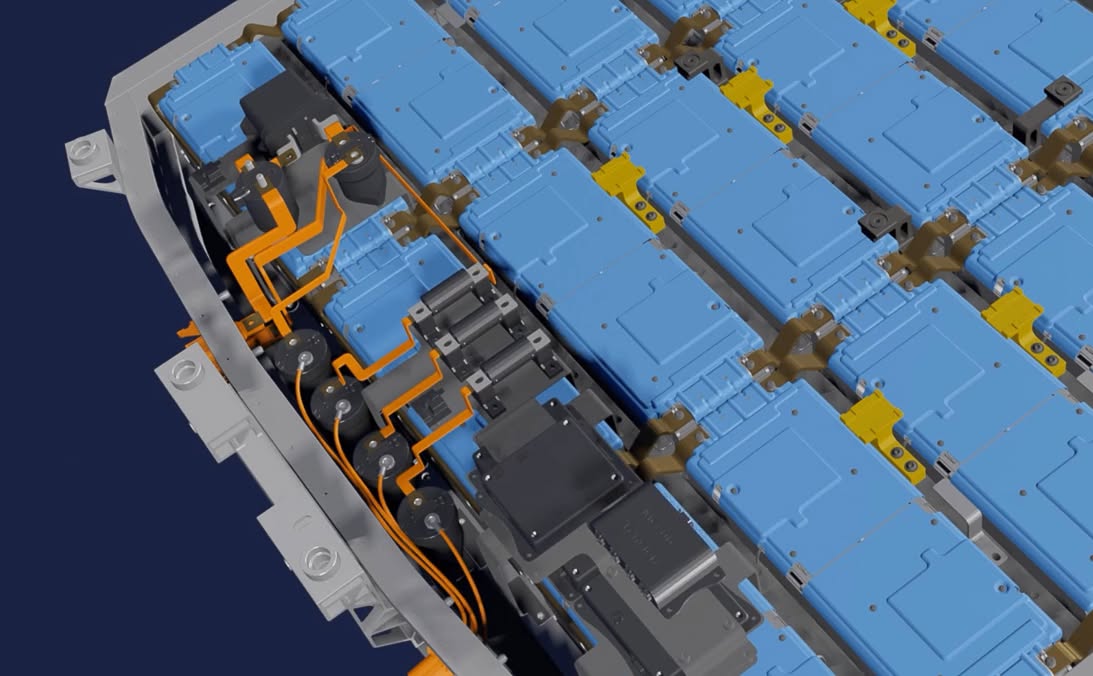
A Compact Breakthrough for EVs

Stellantis claims it has developed a new way to make EVs more efficient, practical, and powerful without resorting to bulkier battery packs. The innovation is called the Intelligent Battery Integrated System (IBIS), and it combines components that usually sit outside the battery—like the inverter and onboard charger—into a single, compact unit.

This integrated design trims weight, saves space, improves charging times, and delivers more range and power compared to conventional batteries. The goal: give everyday EVs the performance edge they need without sacrificing affordability or practicality.

Stellantis IBIS


What Makes IBIS Different

The first IBIS prototype has already been fitted to a Peugeot E-3008 crossover, which rides on Stellantis’s STLA Medium platform—the same one that underpins the Jeep Compass. Unlike traditional systems, IBIS embeds both the inverter and charger functions inside the battery, regardless of chemistry.

That means a nickel manganese cobalt (NMC) pack could power a family SUV, while a lithium iron phosphate (LFP) pack could easily slot into a delivery van or fleet vehicle. This flexibility is key for Stellantis, which manages a wide range of global brands from Peugeot and Citroën to Jeep, Chrysler, and Ram.


Beyond Storage: Smarter Energy Use

Developed with battery specialist Saft, IBIS isn’t just about storing electricity. The system supports both AC and DC charging and even enables vehicle-to-grid (V2G) capability. That means the same unit that drives the car’s motors can also return energy to the grid or power the vehicle’s 12-volt and auxiliary systems—without additional hardware.

This approach reduces complexity, lowers costs, and opens the door to smarter energy management at scale, especially as EV adoption grows worldwide.


Efficiency, Power, and Practical Gains

Stellantis says IBIS boosts energy efficiency by up to 10% and increases output by 15% compared to a conventional pack of the same size. In practice, that translates to 230 horsepower (172 kW) versus 201 horsepower (150 kW).

The compact integration also cuts about 88 pounds (40 kg) of weight and frees up 0.6 cubic feet (17 liters) of cabin or cargo space—precious real estate in any vehicle. Charging performance improves as well: on a 7 kW AC home charger, a full recharge takes about six hours instead of seven.

These gains may seem incremental, but together they represent a step-change in how EV batteries can be designed to deliver more while weighing less.


From Lab to Real-World Roads

Stellantis says the next step is to validate IBIS through real-world testing. Engineers will evaluate durability, performance, and safety in everyday conditions before the system reaches production readiness.

If all goes to plan, IBIS could debut in Stellantis production EVs by the end of the decade. Thanks to its modular nature, it could scale across a wide spectrum of vehicles, from compact city cars to large SUVs and work trucks.

Stellantis IBIS


Why It Matters

The biggest challenges for EV adoption remain range, charging speed, and cost. By integrating key electronics into the battery itself, Stellantis is showing that meaningful improvements don’t always require bigger packs or more expensive materials.

If successful, IBIS could bring EVs closer to matching the everyday convenience of gas-powered cars—helping to make electrified mobility not just cleaner, but smarter and more practical.

Recommend Reading: Tesla Model Y May Gain Up to 90 Miles of Extra Range With Panasonic’s Next-Gen Batteries

🔌 EV Charging Habits & Battery Life – FAQ

1. Does charging my EV every night damage the battery?

No, charging your EV every night will not damage the battery if you use the right habits. Most automakers recommend keeping daily charging limits between 70–80% for the best battery life and saving 100% charges for road trips.

2. What is the best charging percentage to maintain for EV battery health?

The optimal range is 20%–80% state of charge (SoC). This reduces stress on lithium-ion cells and helps minimize long-term degradation. Many EVs allow you to set a charging limit in the app or onboard software.

3. Is it bad to always charge my EV to 100%?

Frequent charging to 100% can accelerate degradation over time, especially if the car sits fully charged for hours. It’s safe for long trips but avoid using 100% daily unless your driving range requires it.

4. How much does fast charging affect EV battery life?

DC fast charging generates more heat and places higher stress on the battery. Occasional use is fine, but relying on fast charging daily may shorten lifespan compared to slower Level 2 charging.

5. Should I let my EV battery run down to 0% before recharging?

No, it’s not recommended. Running an EV battery down to 0% can stress the cells and shorten its lifespan. It’s healthier to recharge when the battery reaches 20–30%.

6. Does temperature affect EV charging habits and battery degradation?

Yes. High heat accelerates degradation, while extreme cold reduces temporary range and charging efficiency. Parking in shade, using preconditioning, and avoiding full charges in hot weather will help preserve your EV battery.

7. How long will my EV battery last with proper charging habits?

With healthy habits, most EV batteries last 8–15 years or 150,000–300,000 miles before significant capacity loss. Real-world data shows an average degradation of 1–2% per year for well-maintained EVs.

8. Is Level 1 or Level 2 charging better for battery longevity?

Both are safe, but Level 2 charging (240V) is ideal for daily use. It’s faster than Level 1 but still gentle compared to DC fast charging. Using Level 2 at home is considered the sweet spot for balancing convenience and battery health.

9. Can software updates improve EV battery life?

Yes. Automakers regularly release battery management system (BMS) updates that improve charging efficiency, thermal management, and degradation control. Keeping your EV software up to date helps maximize lifespan.

10. What are the top tips to extend EV battery health through charging habits?
  • Keep daily charging between 20–80%
  • Save 100% charging for road trips
  • Use Level 2 charging for everyday needs
  • Limit frequent DC fast charging
  • Avoid extreme temperatures while charging
  • Plug in often instead of letting the battery run low

EV News

View all

Why Used Electric Vehicle Prices Are Falling So Fast

Why Used Electric Vehicle Prices Are Falling So Fast

Used EV prices are falling rapidly as new-car price cuts, shifting incentives, charging access concerns, and post-pandemic market corrections reshape buyer expectations, creating risks for sellers but major opportunities for the right buyers.

Read more

A High-Mileage Tesla Model 3 Reveals What Really Wears Out Over Time

A High-Mileage Tesla Model 3 Reveals What Really Wears Out Over Time

A 2021 Tesla Model 3 with nearly 240,000 miles offers rare insight into EV longevity, showing strong battery health, modest maintenance costs, and far lower energy expenses than comparable gas cars.

Read more

Tesla Robotaxi Introduces Cleaning Fees for Rider Messes

Tesla Robotaxi Introduces Cleaning Fees for Rider Messes

Tesla has introduced cleaning fees for its Robotaxi service, charging riders up to $150 for serious messes. The move reflects practical fleet needs and shows how human behavior still shapes autonomous ride services.

Read more