





AS SEEN ON






Best Sellers
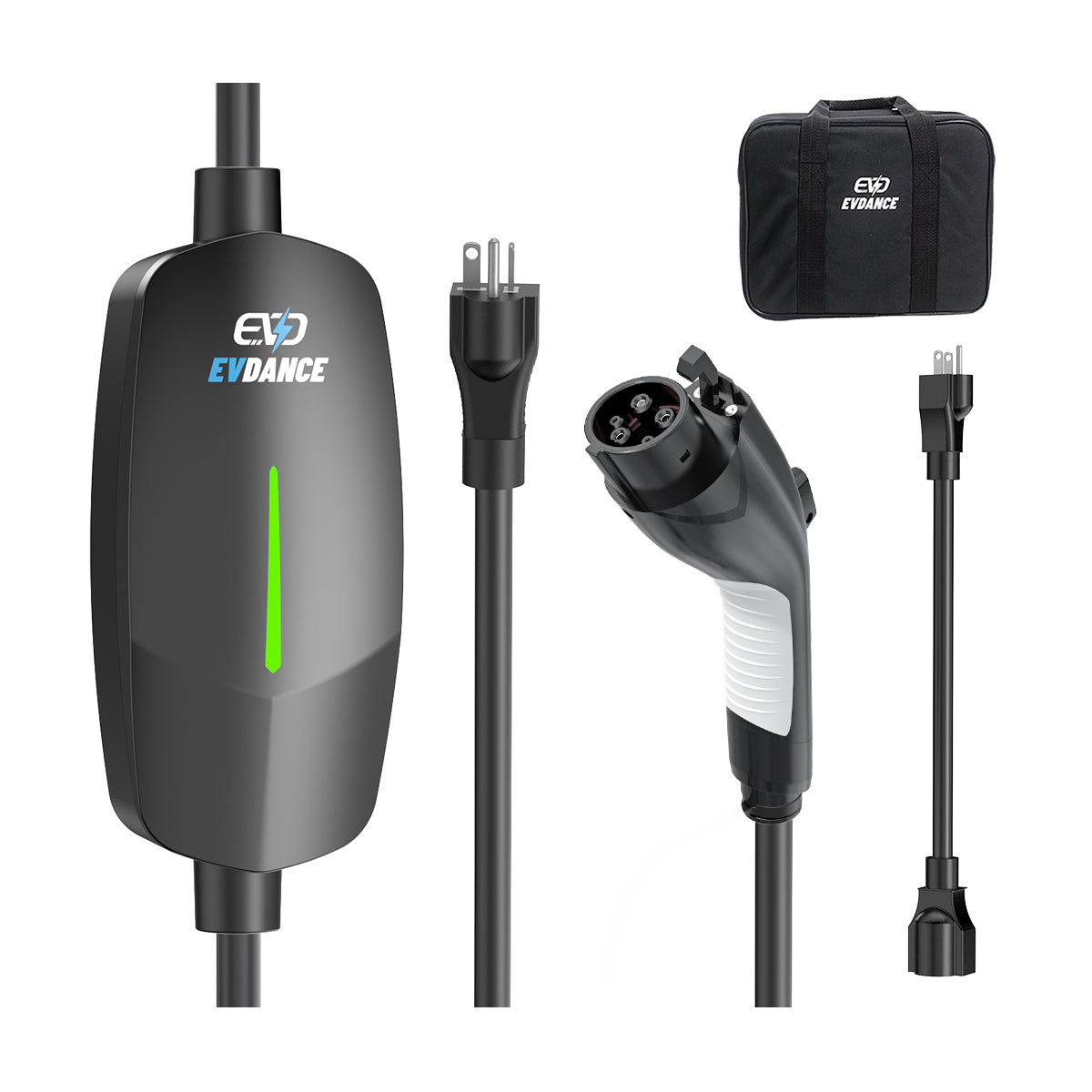
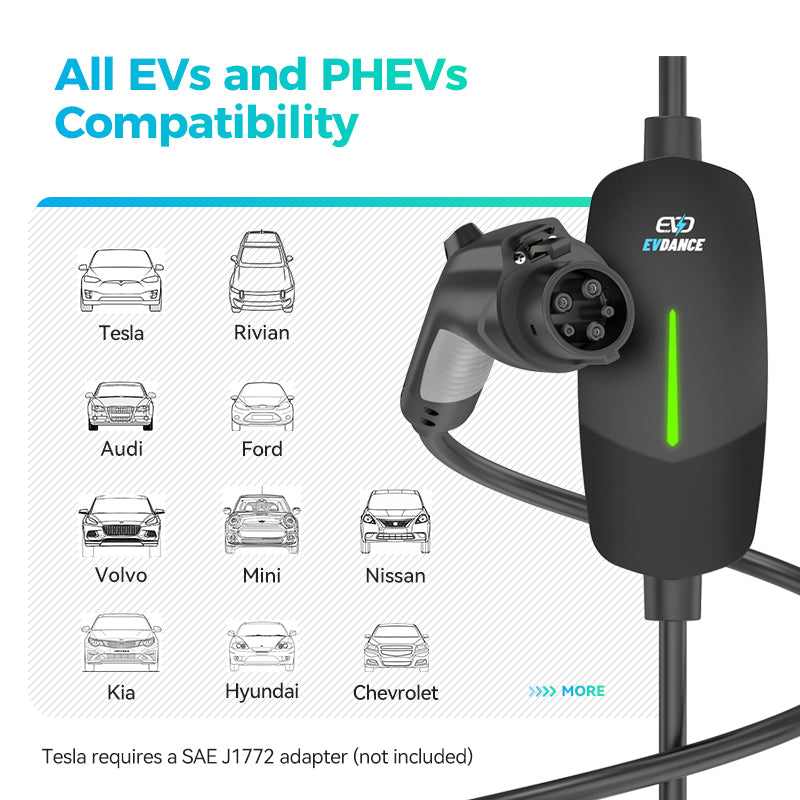
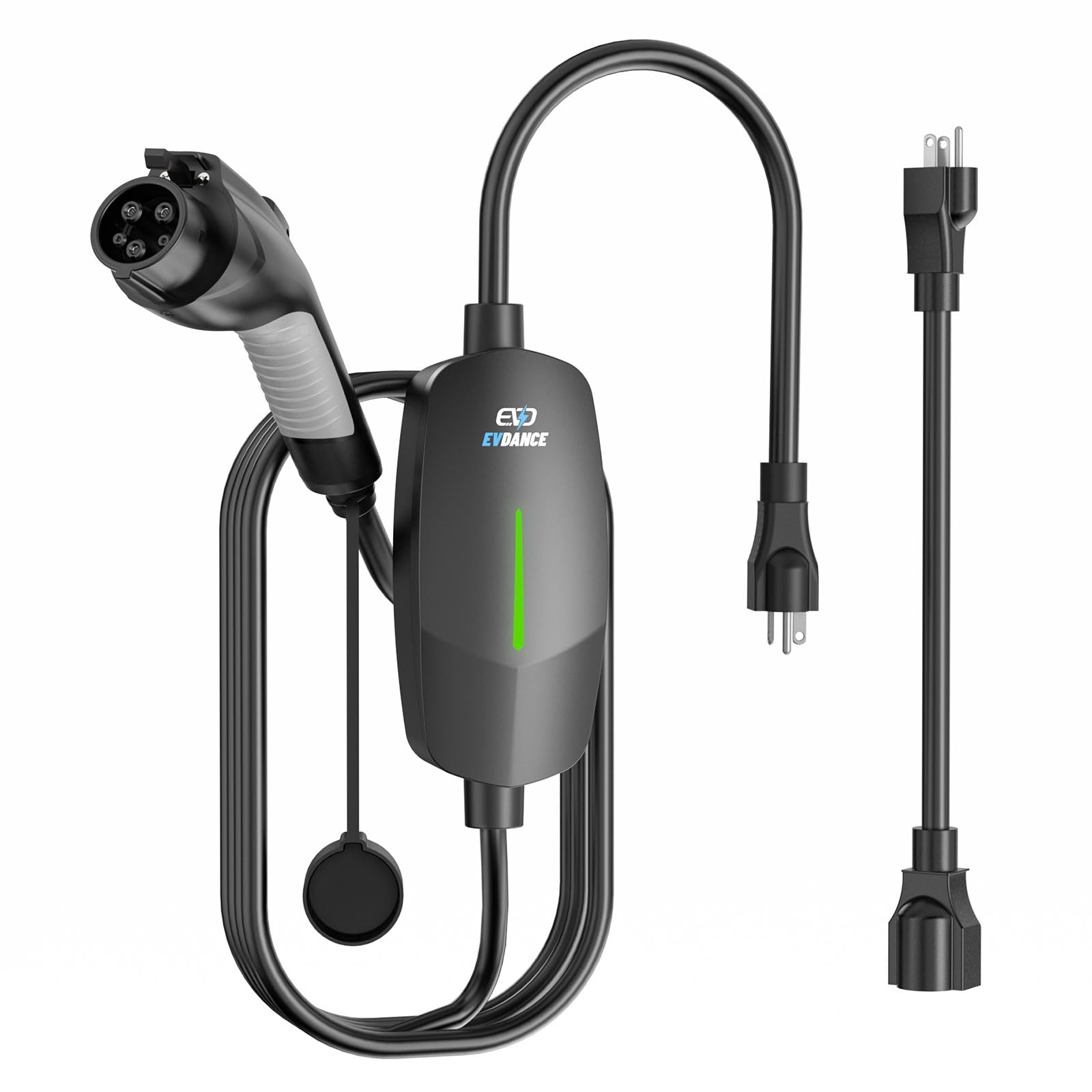
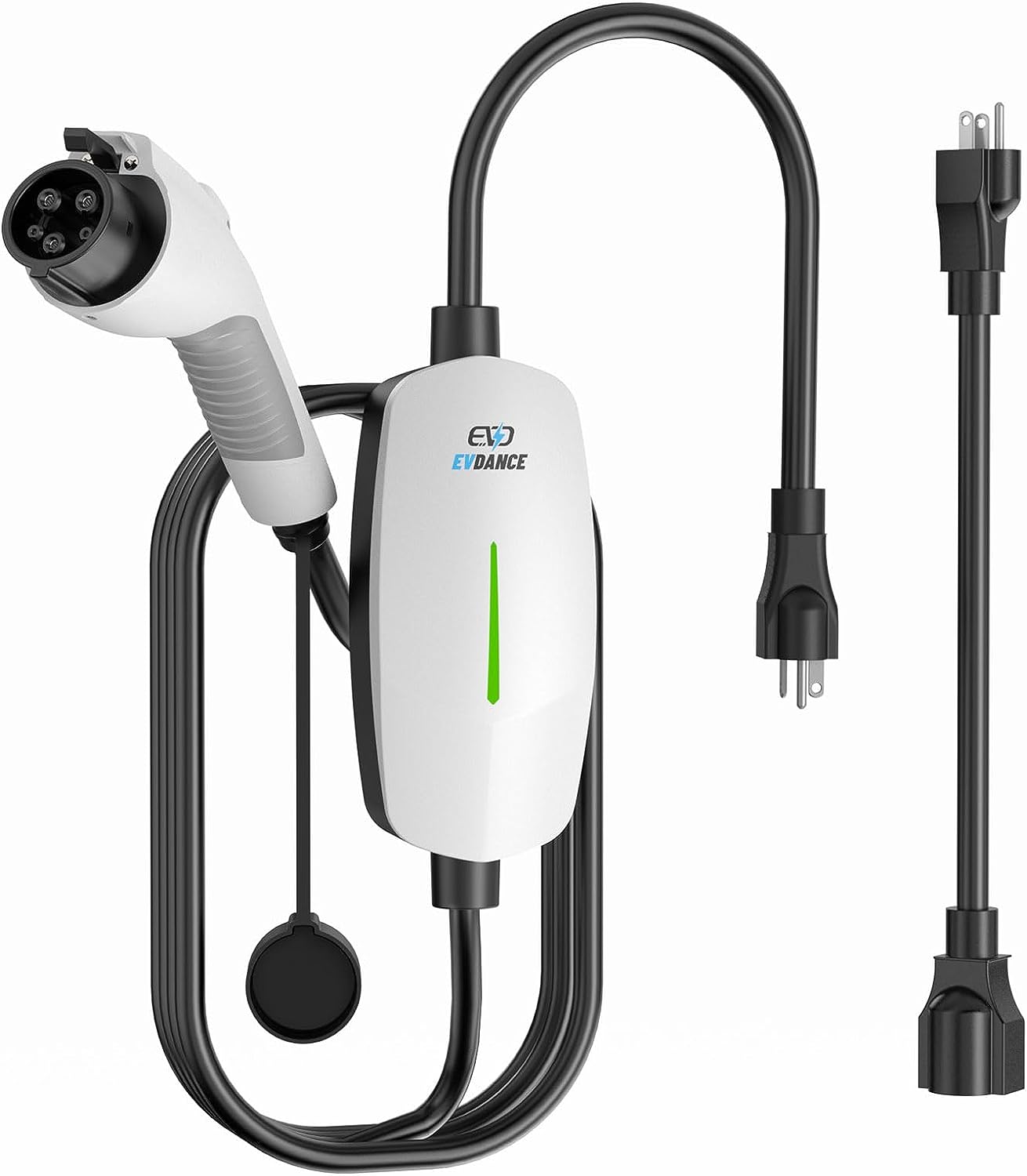
EVDANCE Level 1&2 NEMA 6-20 Plug 12/16A Portable EV Charger 25FT Cable
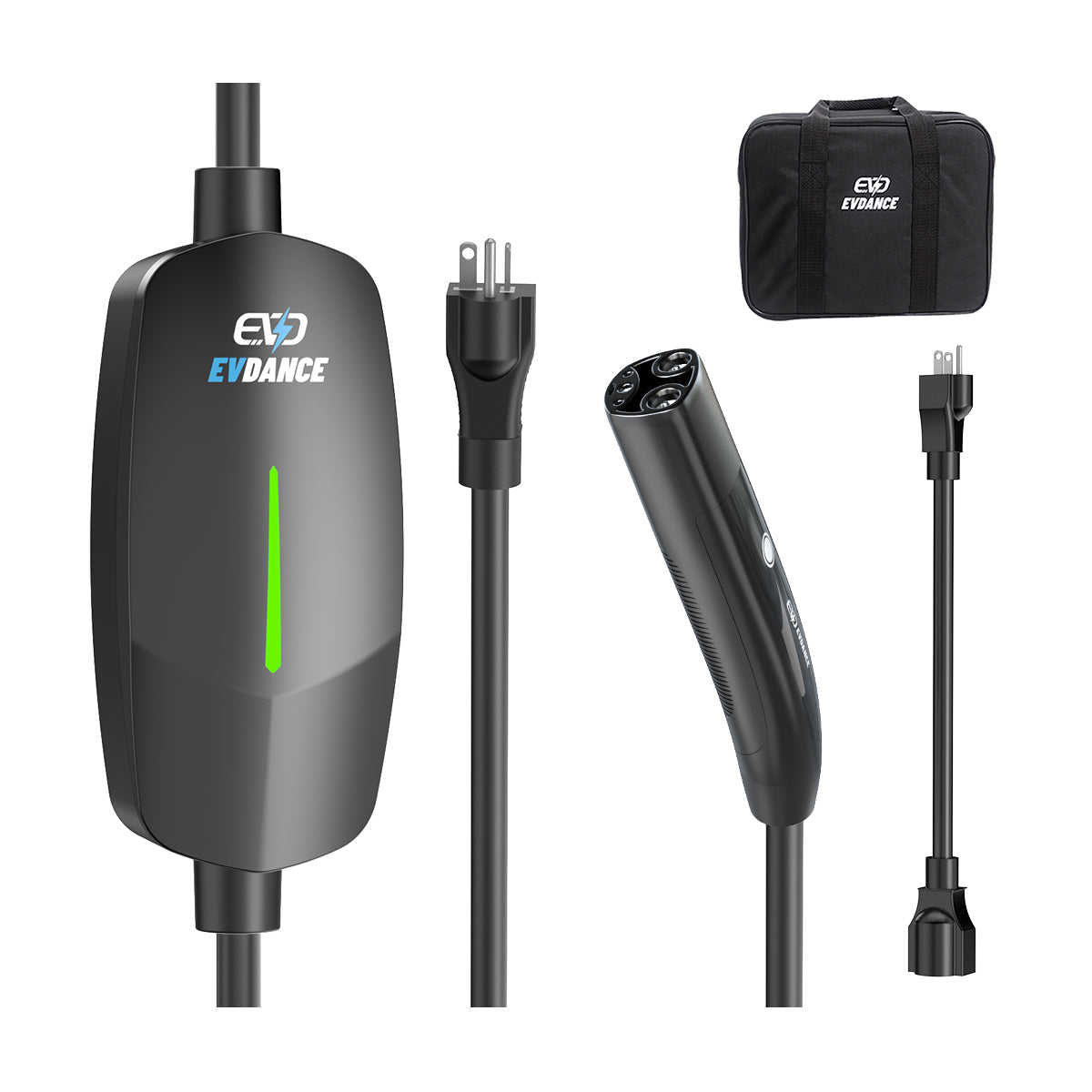
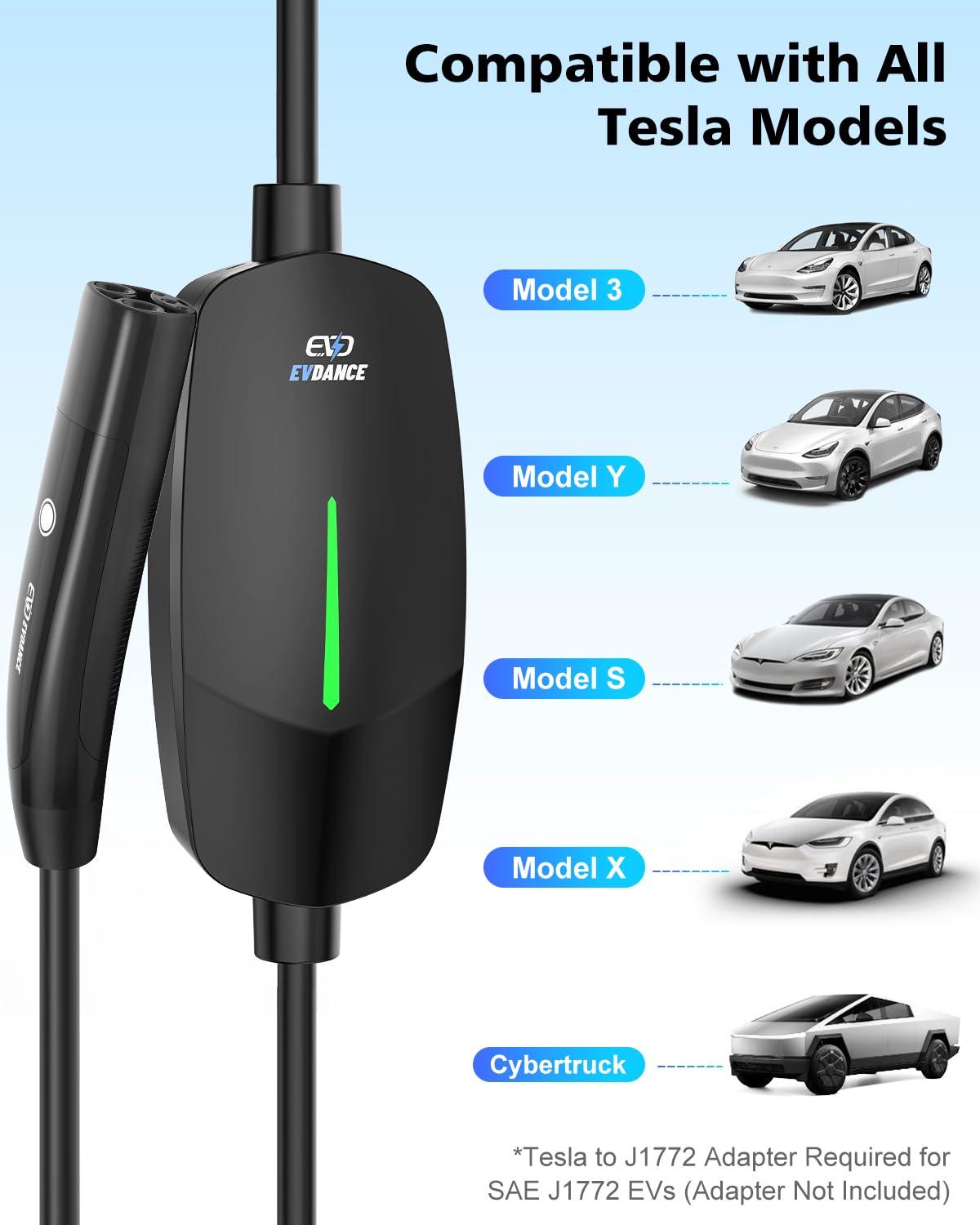
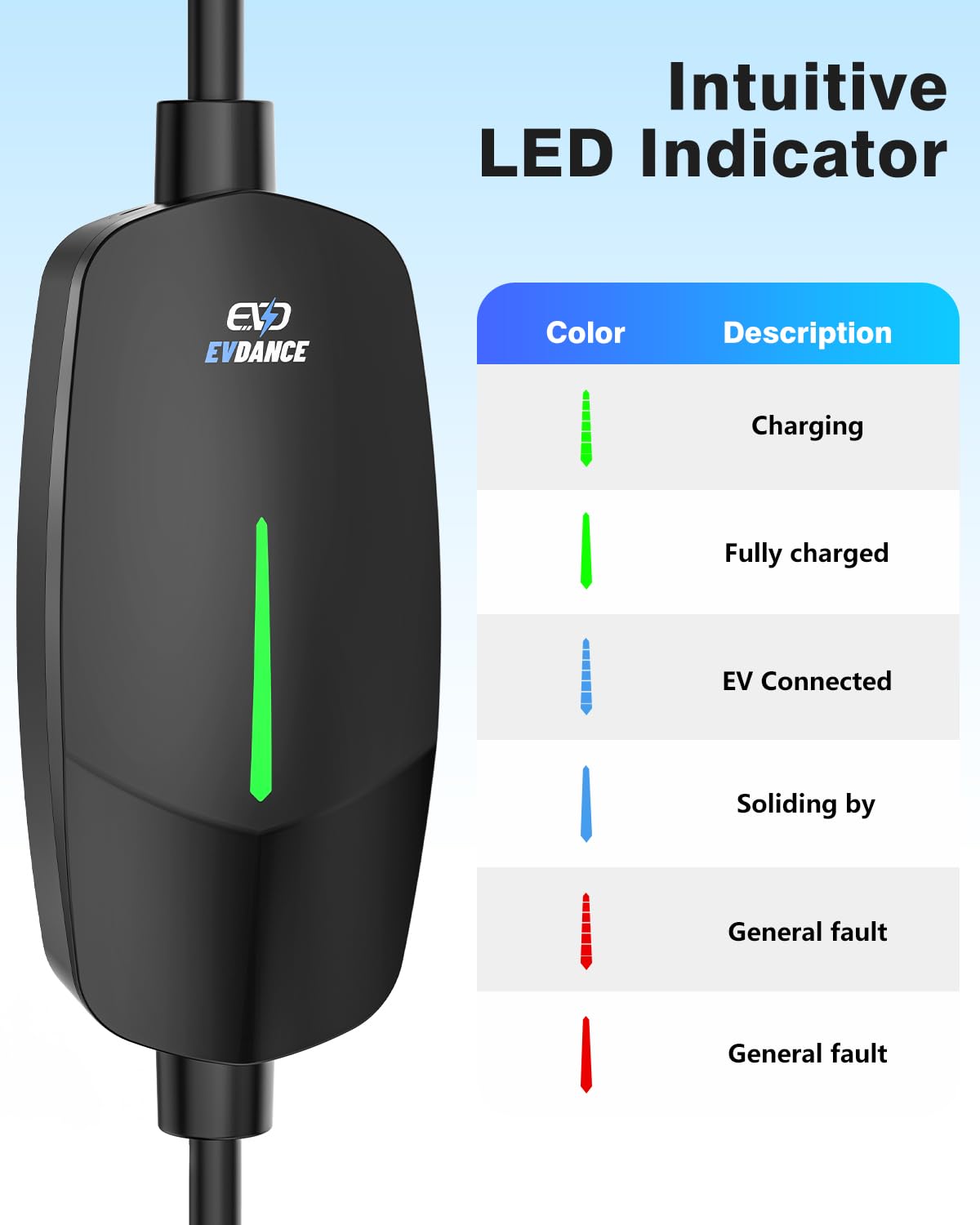
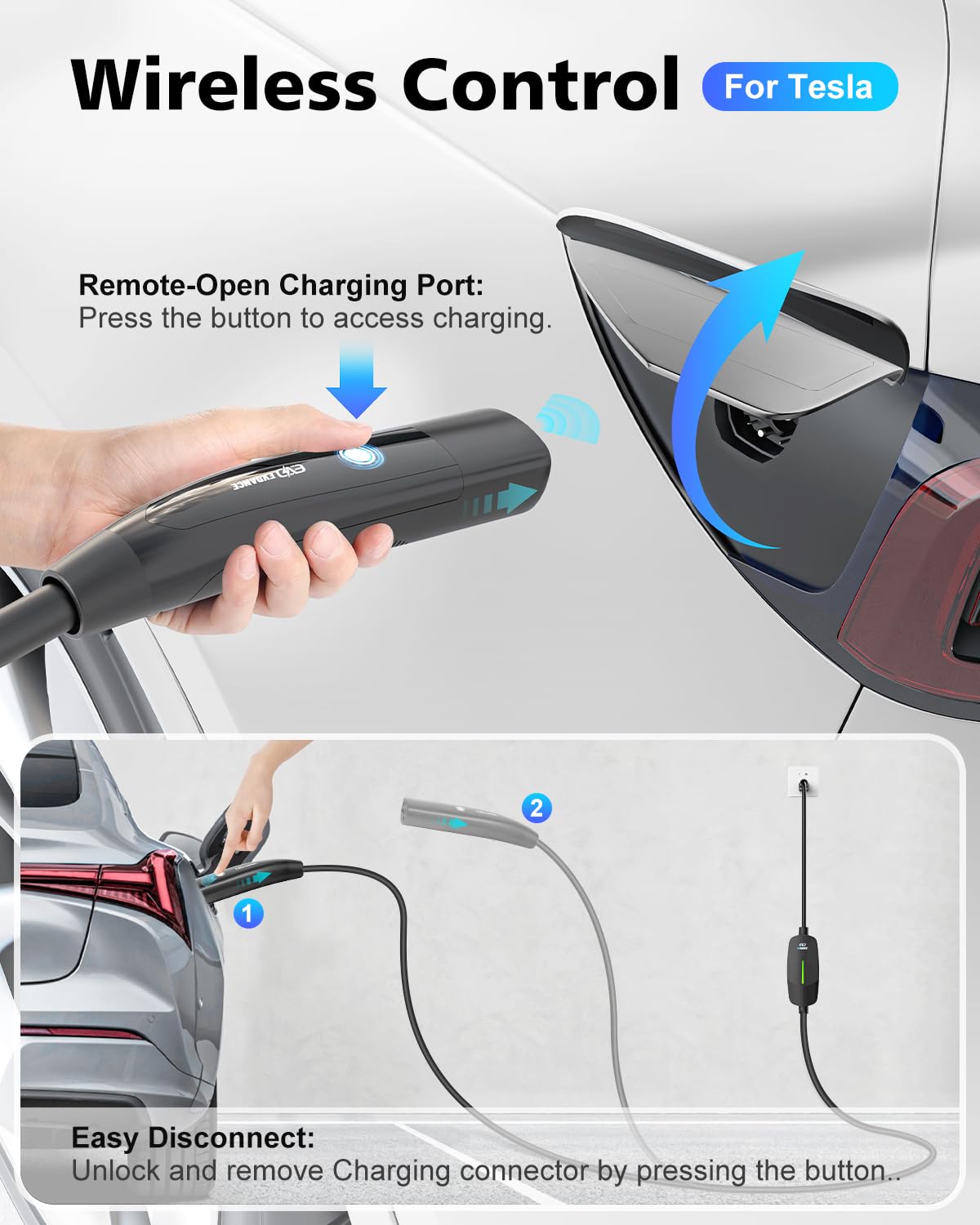
EVDANCE Portable Tesla Level 1+2 EV Charger | 110V &240V| 16 Amp | NEMA 5-15&6-20
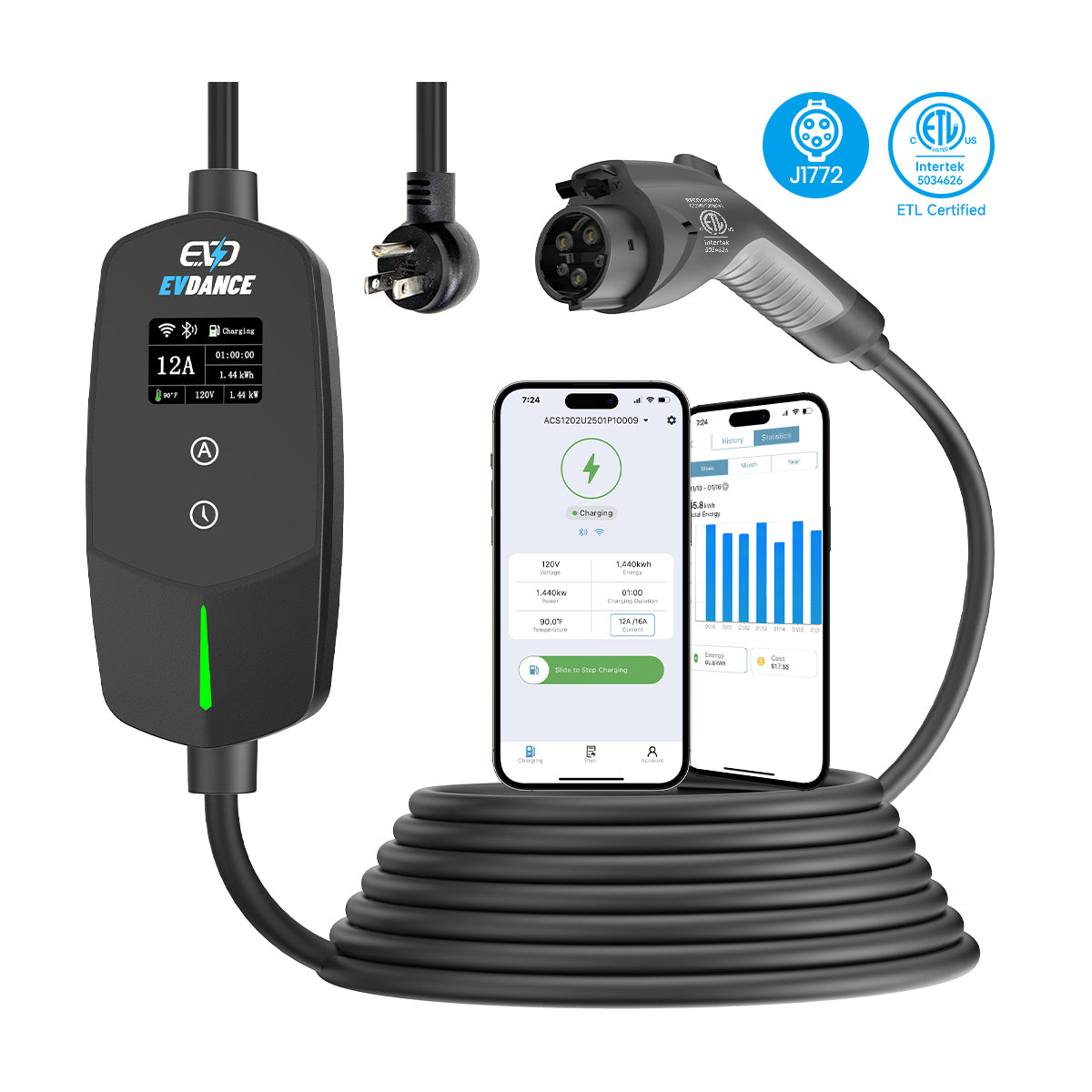
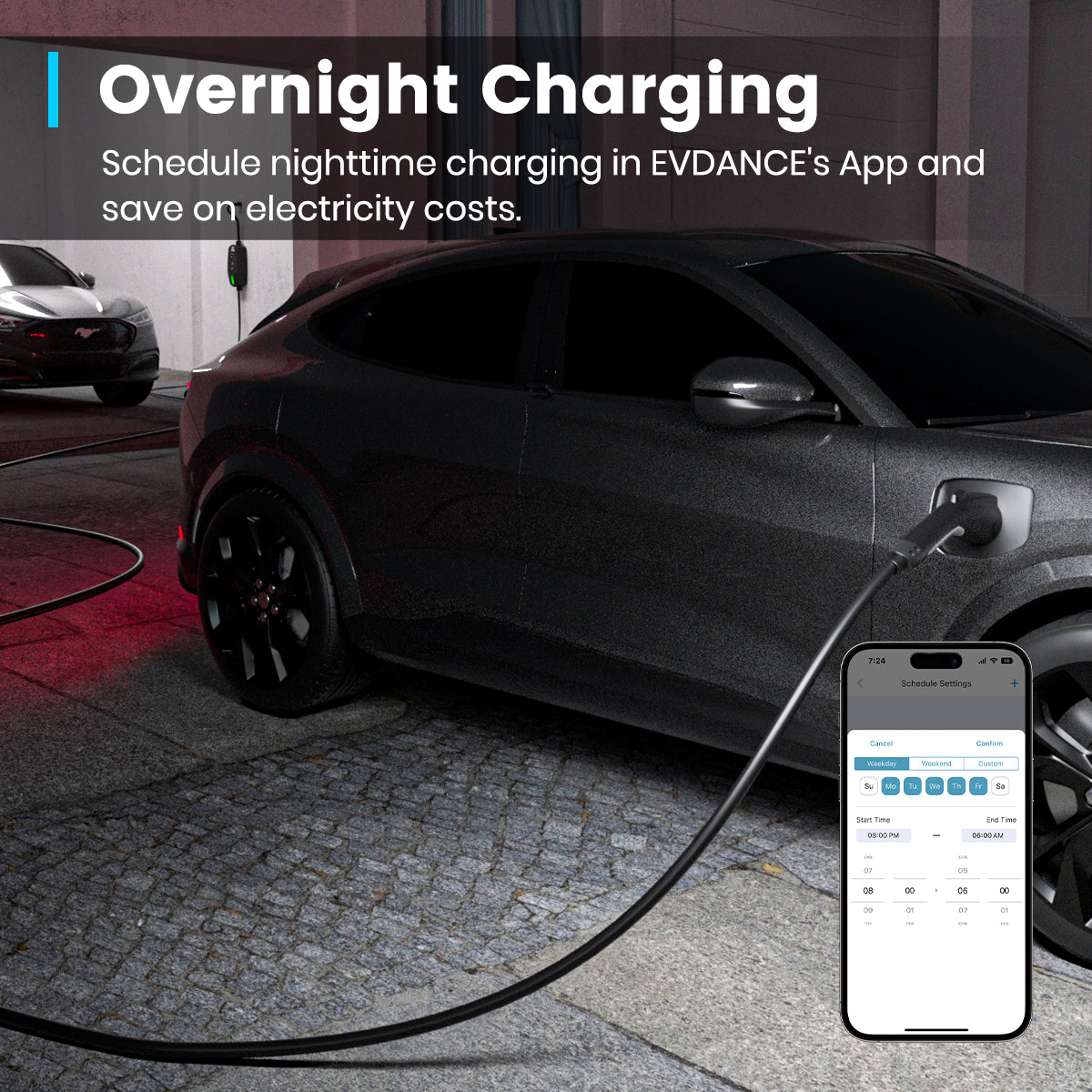


EVDANCE Flux Level 1 NEMA 5-15 Plug 12A J1772 Portable EV Charger
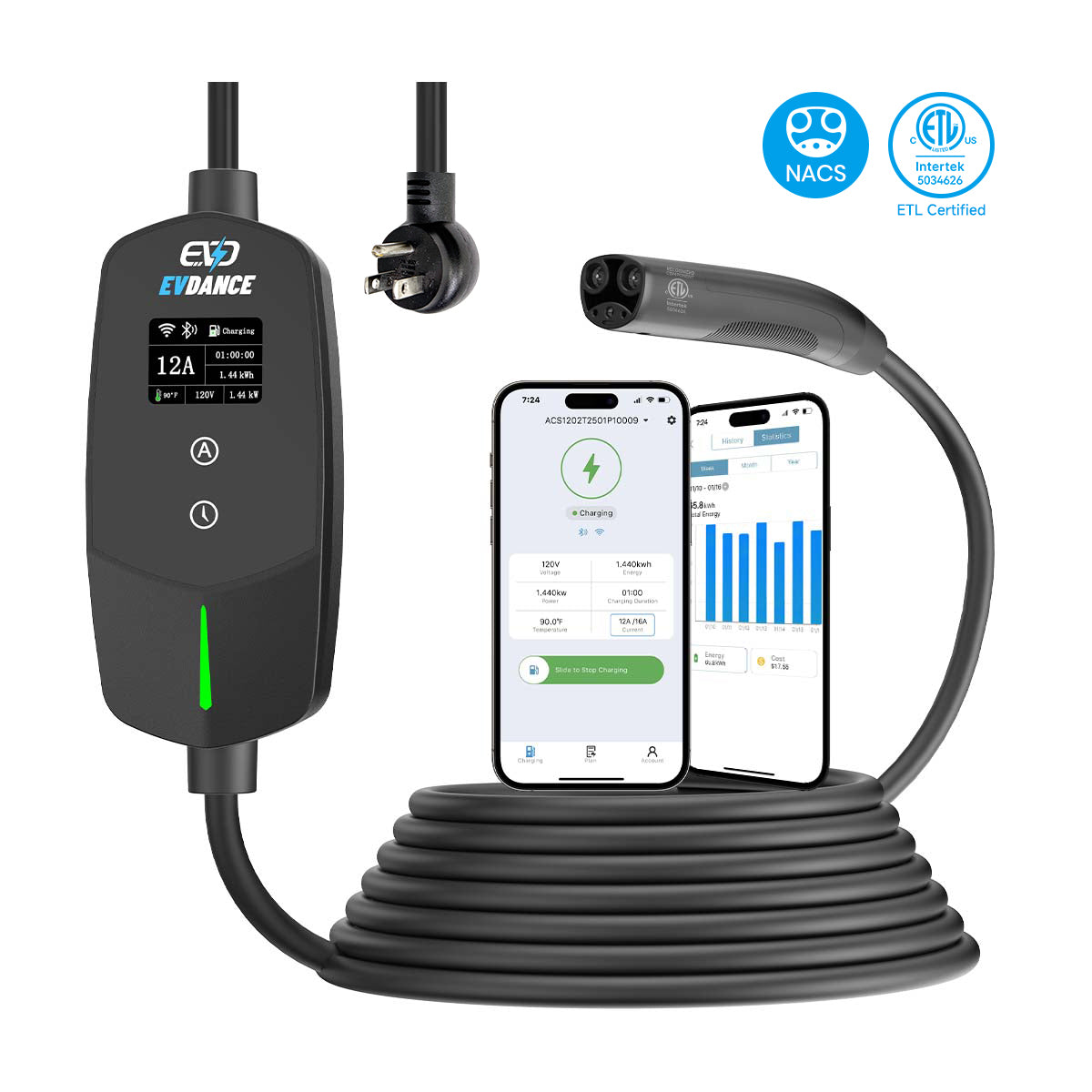
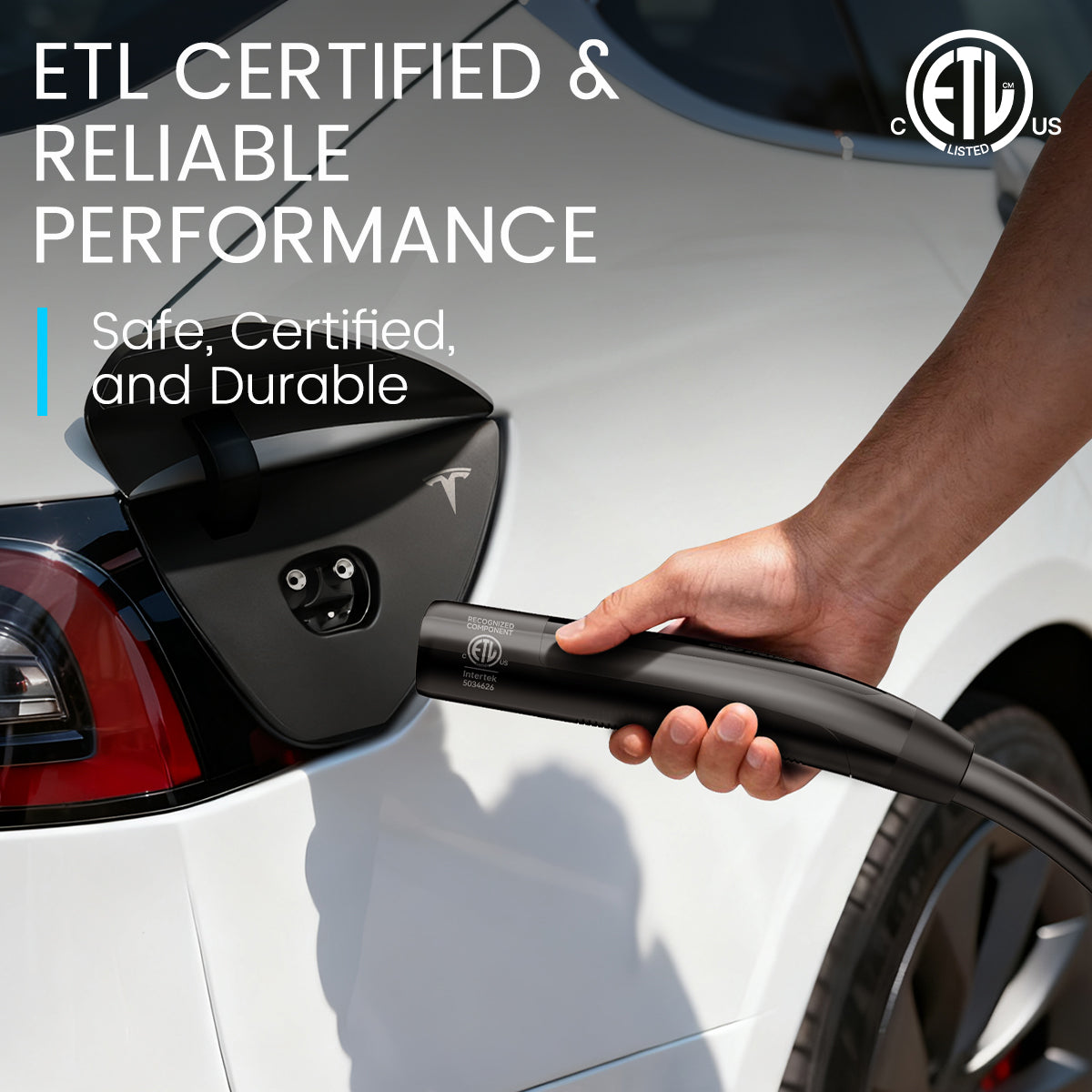
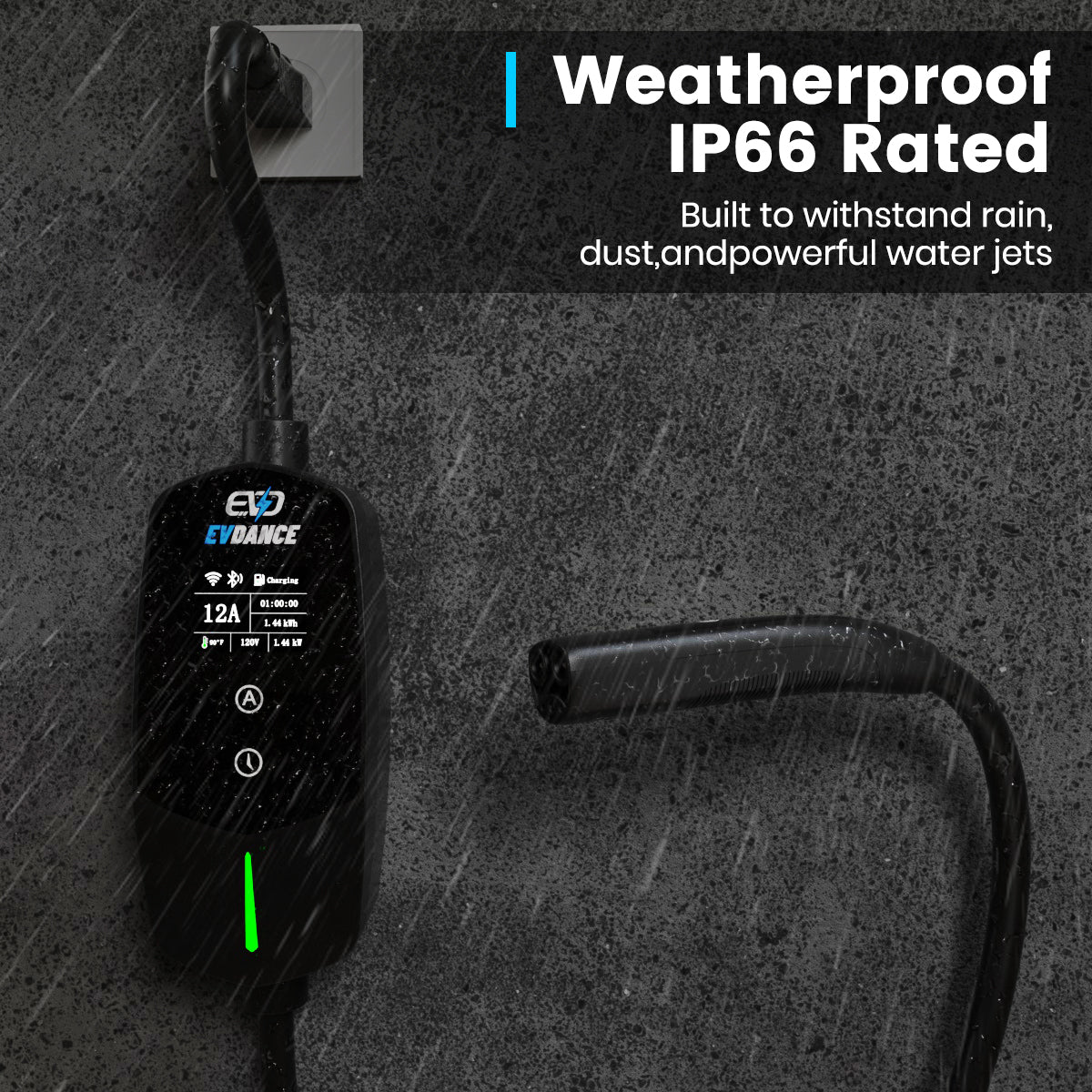
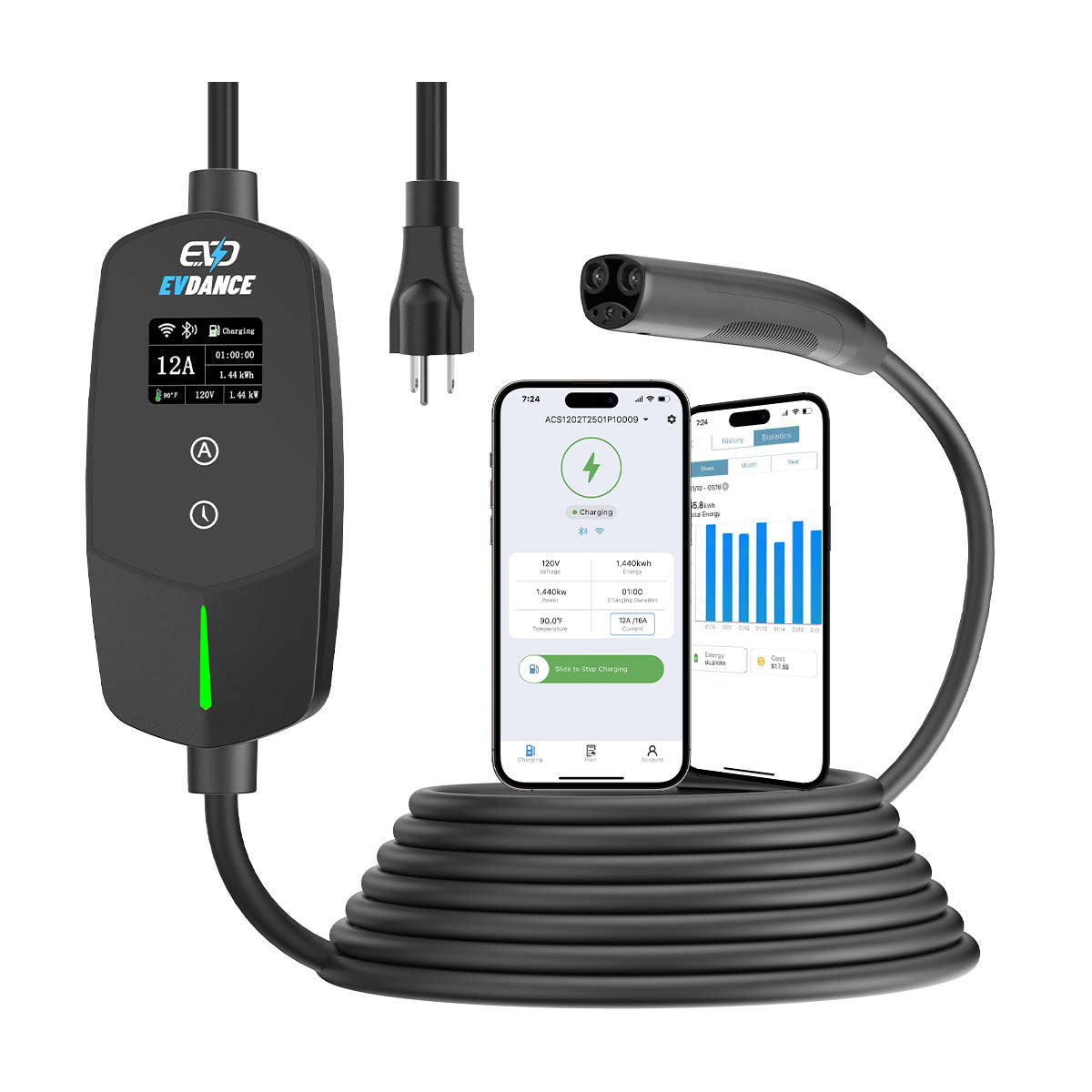
EVDANCE Flux Level 1 NEMA 5-15 Plug 12A NACS/Tesla Portable EV Charger
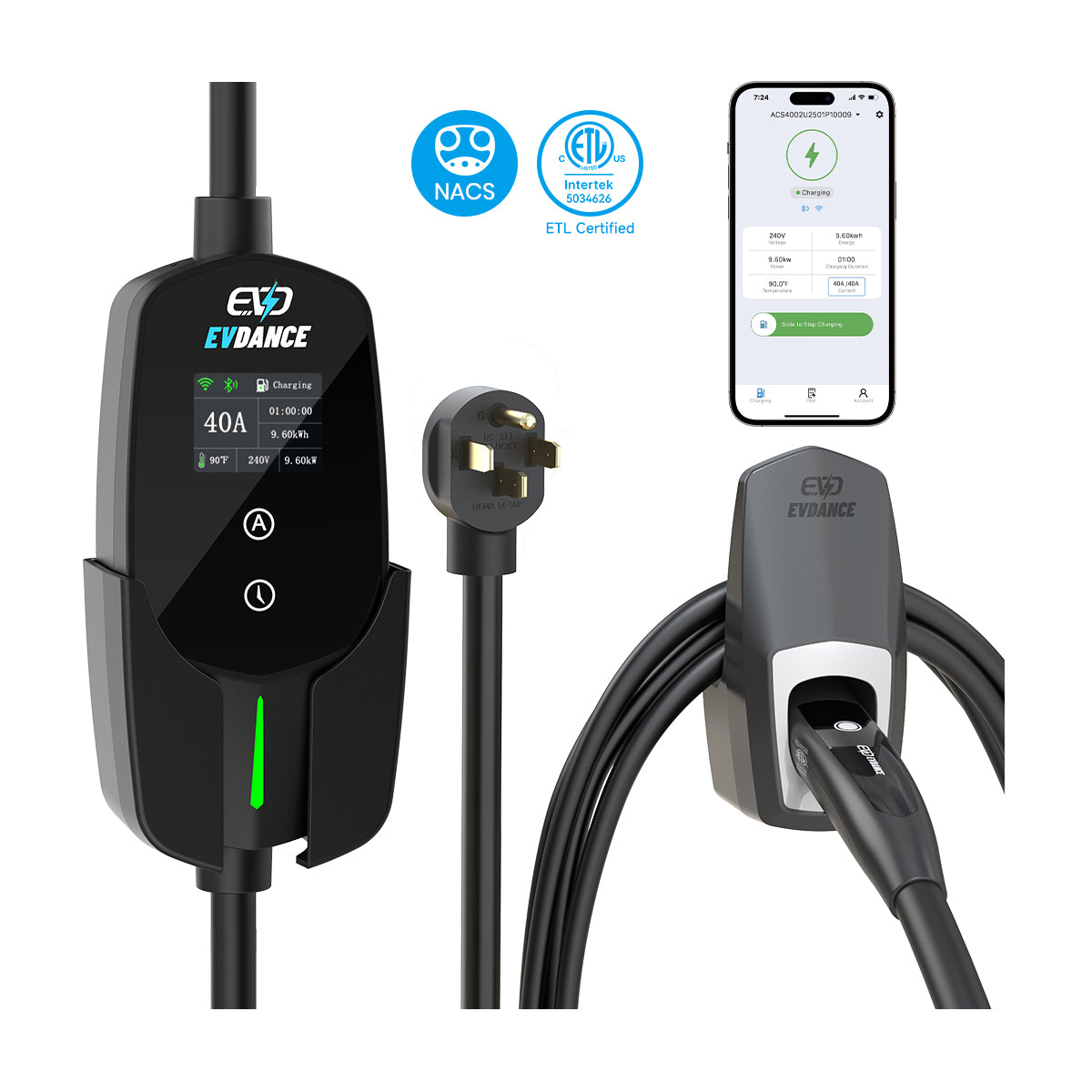
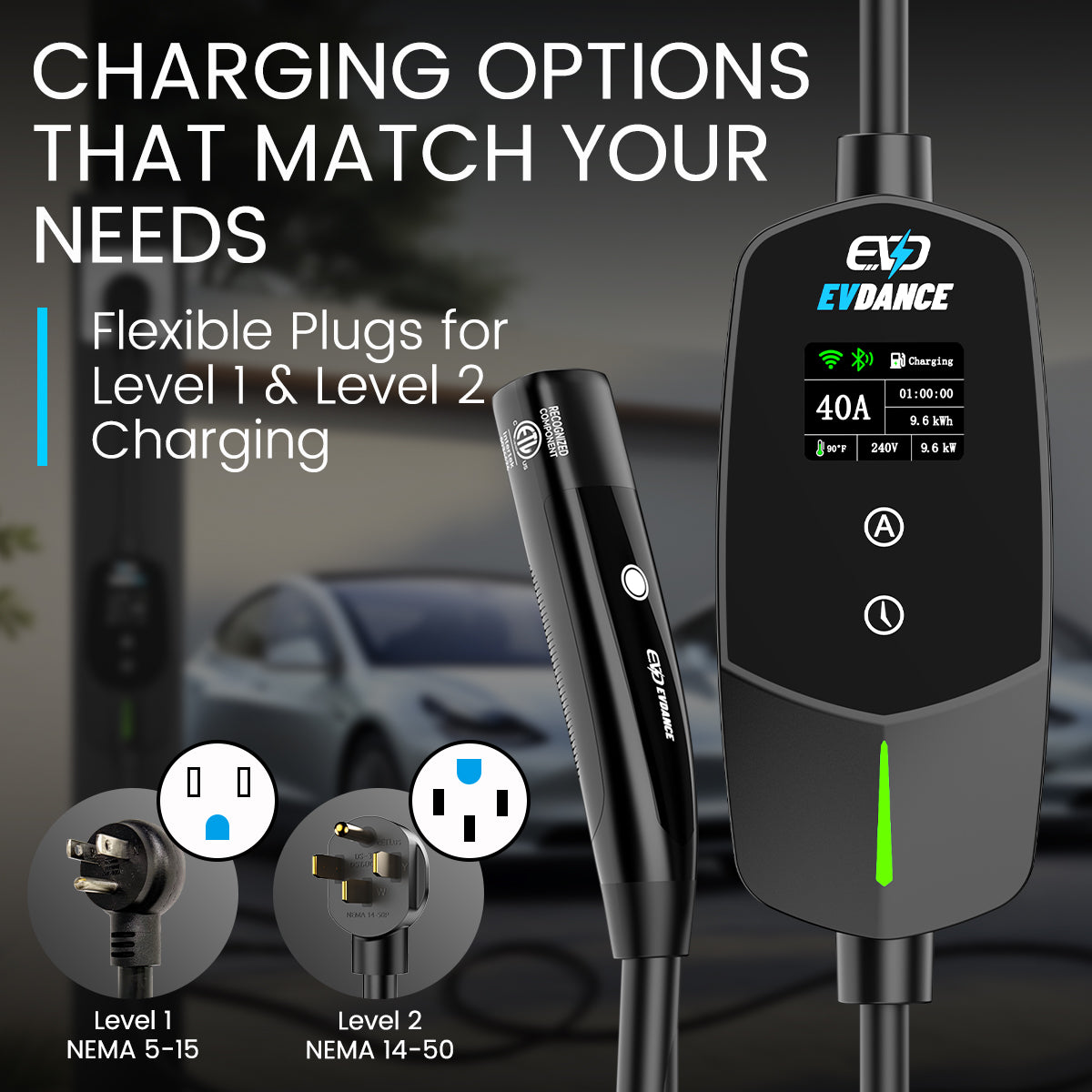
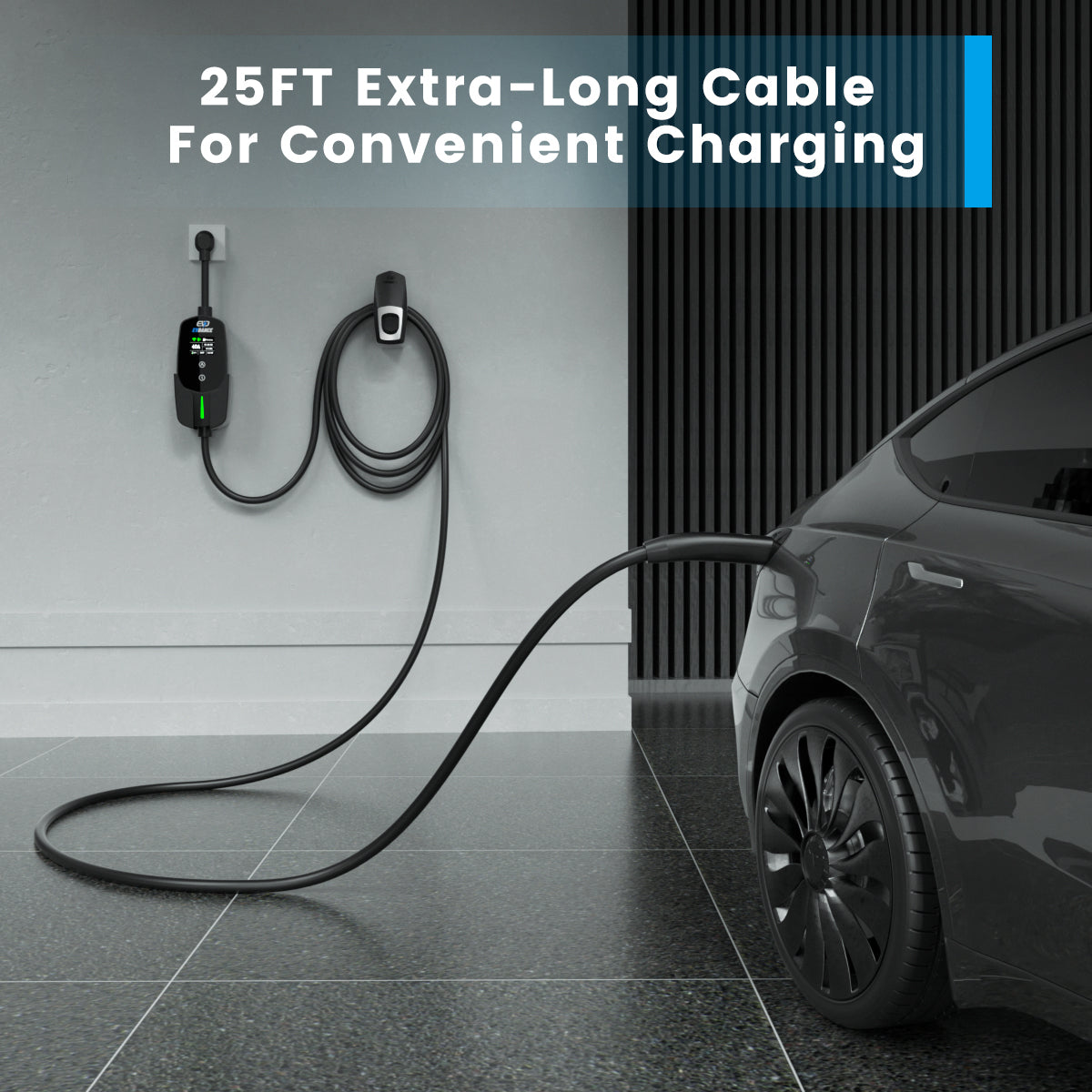
EVDANCE Flux Level 2 NEMA 14-50 40A Tesla Portable EV Charger Wifi Enabled


EVDANCE Flux Level 2 NEMA 14-50 40A J1772 Portable EV Charger Wifi Enabled
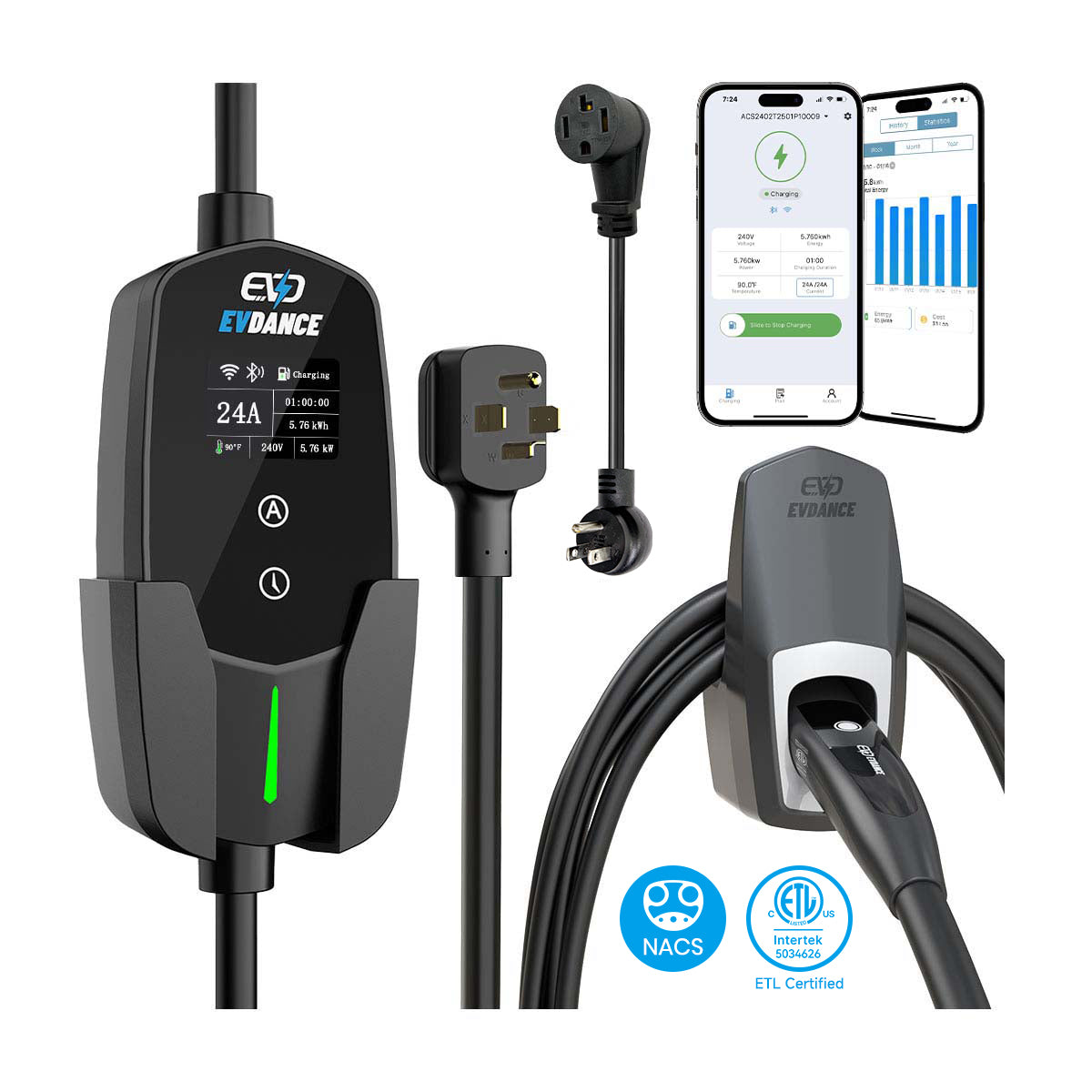
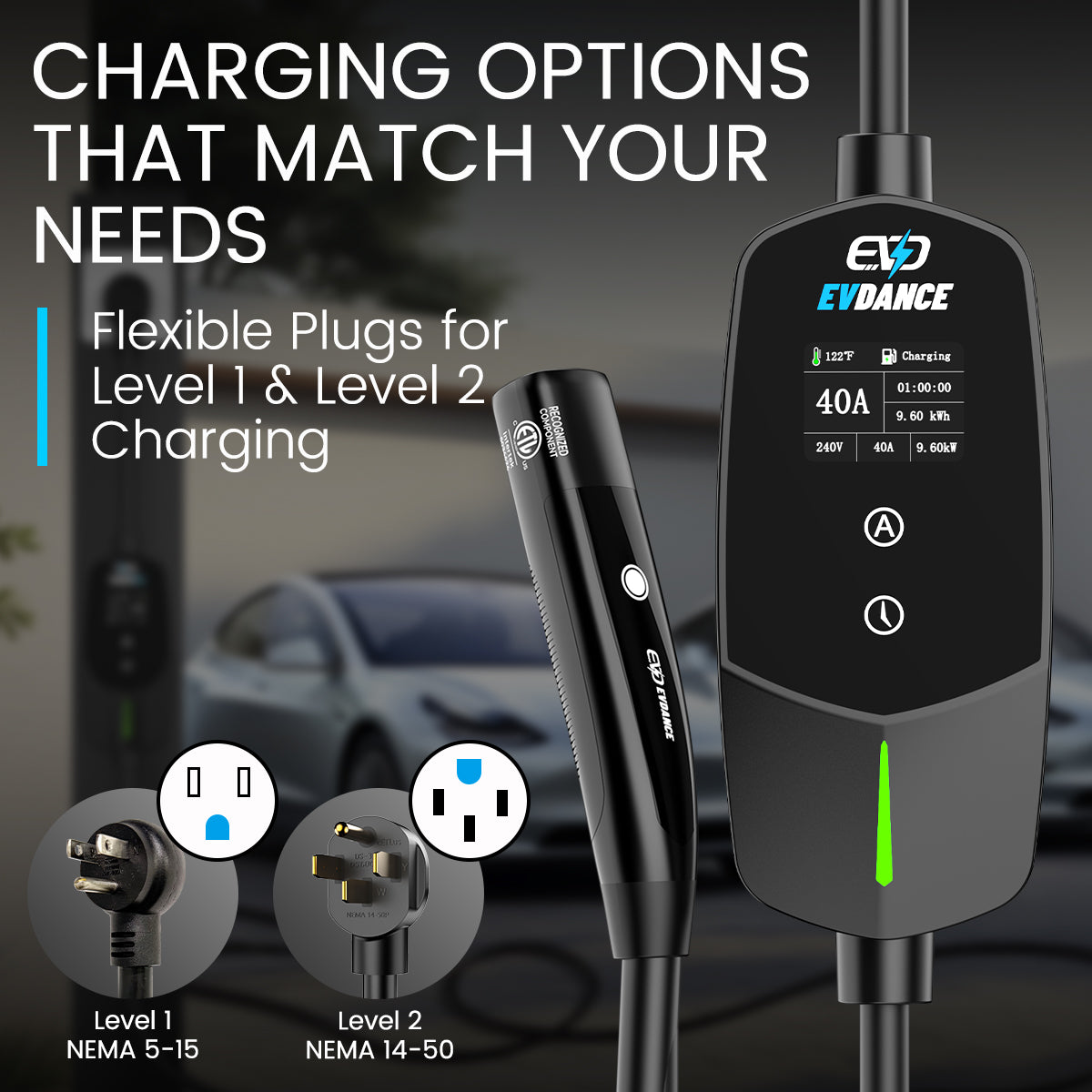
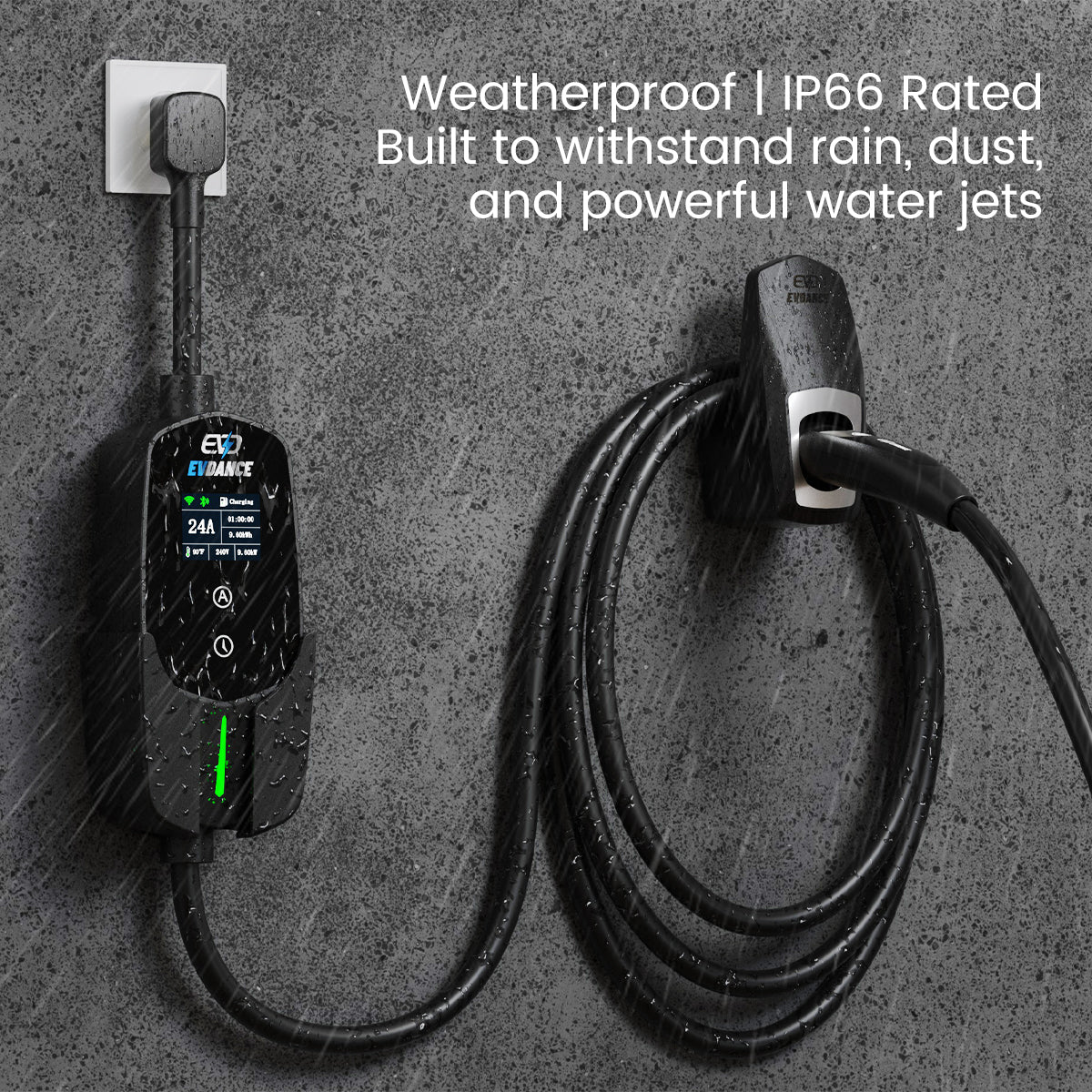
EVDANCE Level 2 NEMA 14-30 24A NACS Portable EV Charger
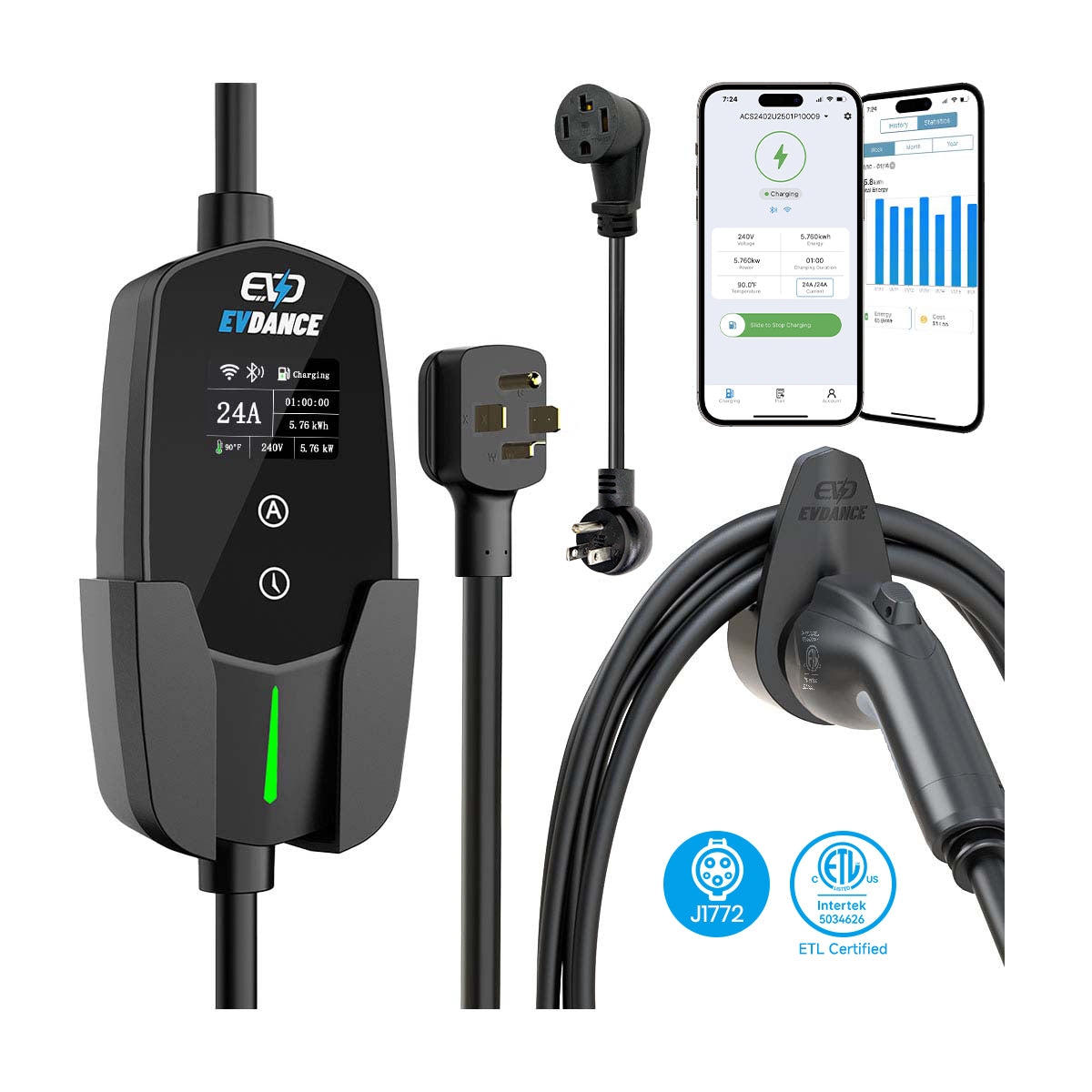
EVDANCE Level 2 NEMA 14-30 24A J1772 Portable EV Charger
EV Adapters
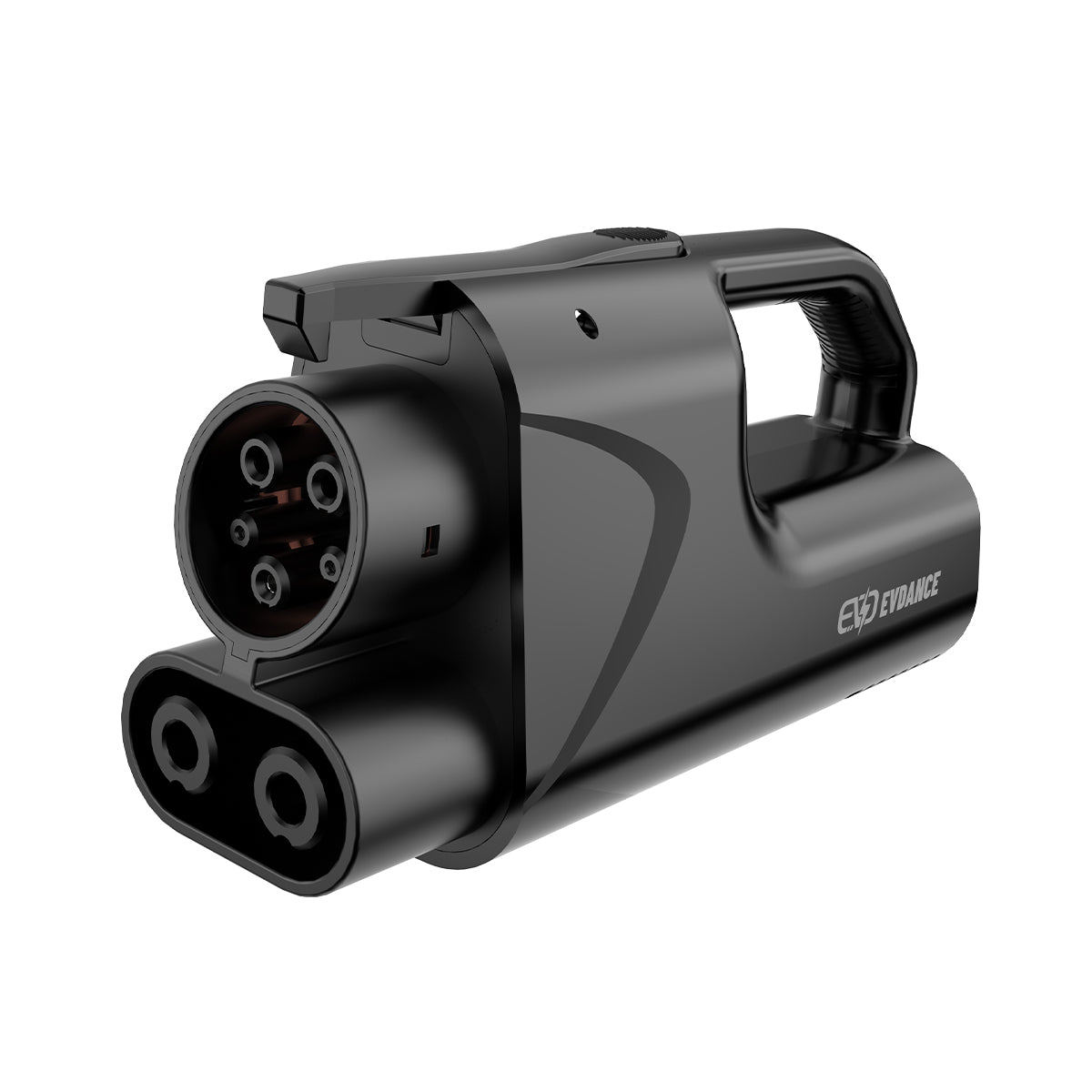
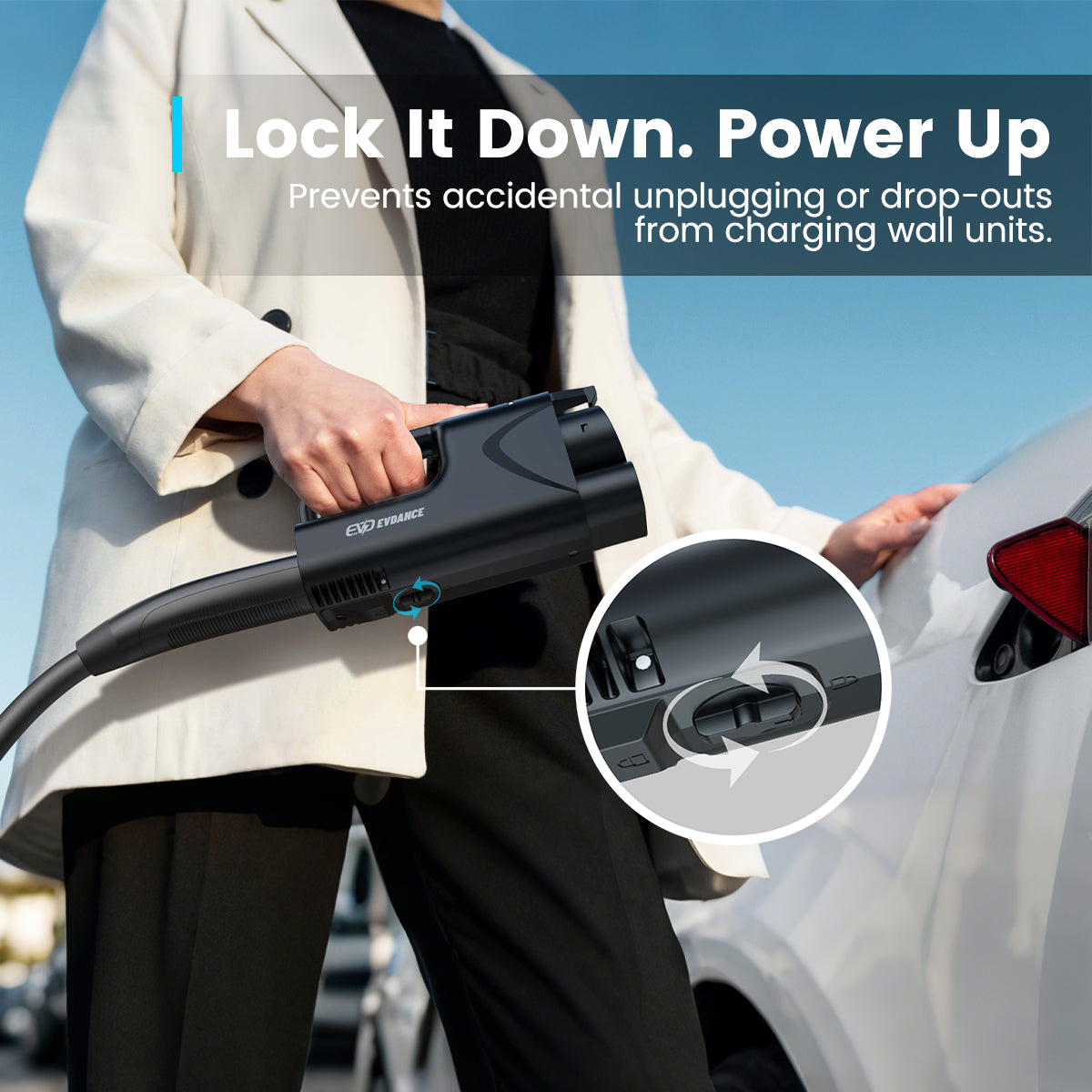

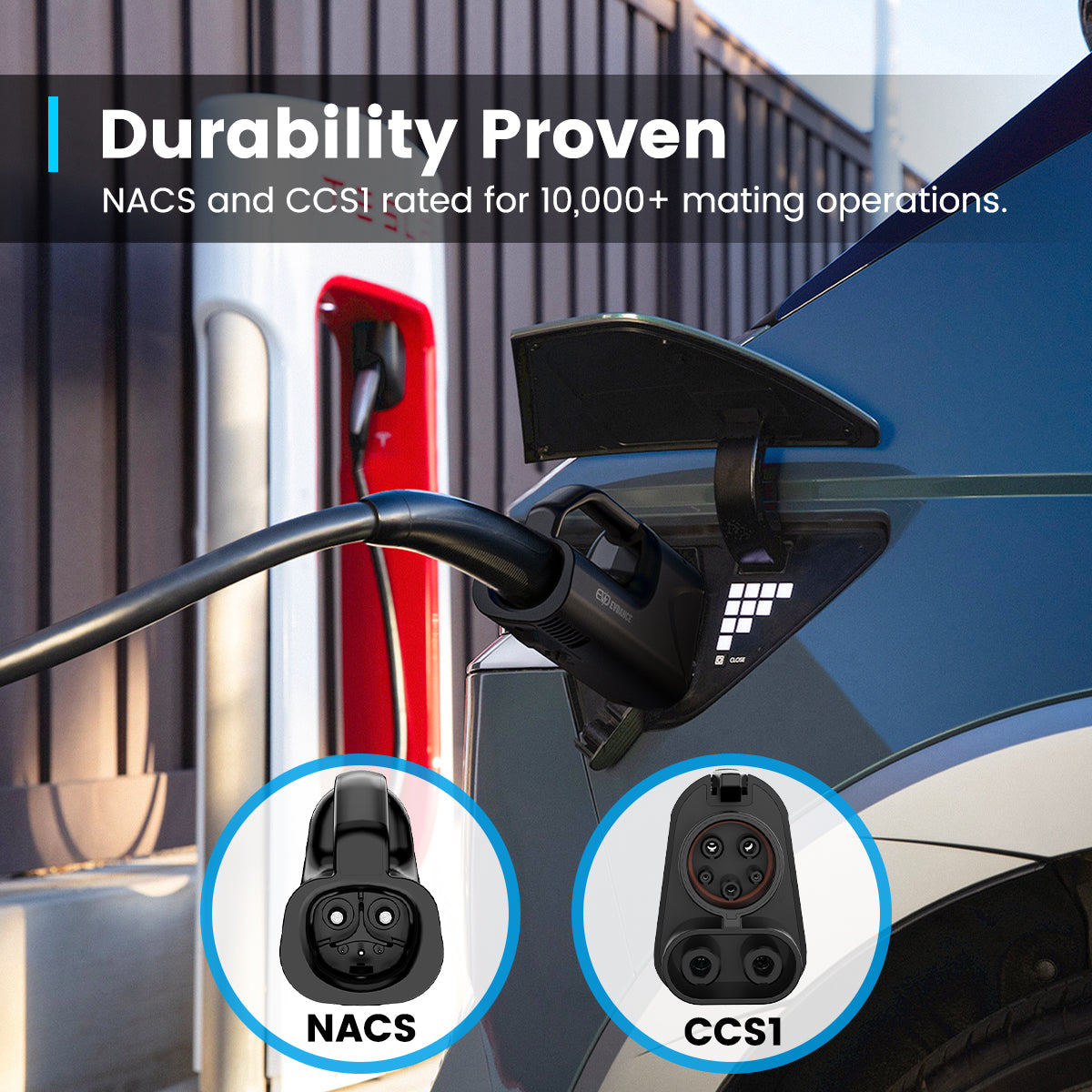
EVDANCE Pulse Fusion NACS DC To CCS1 Adapter


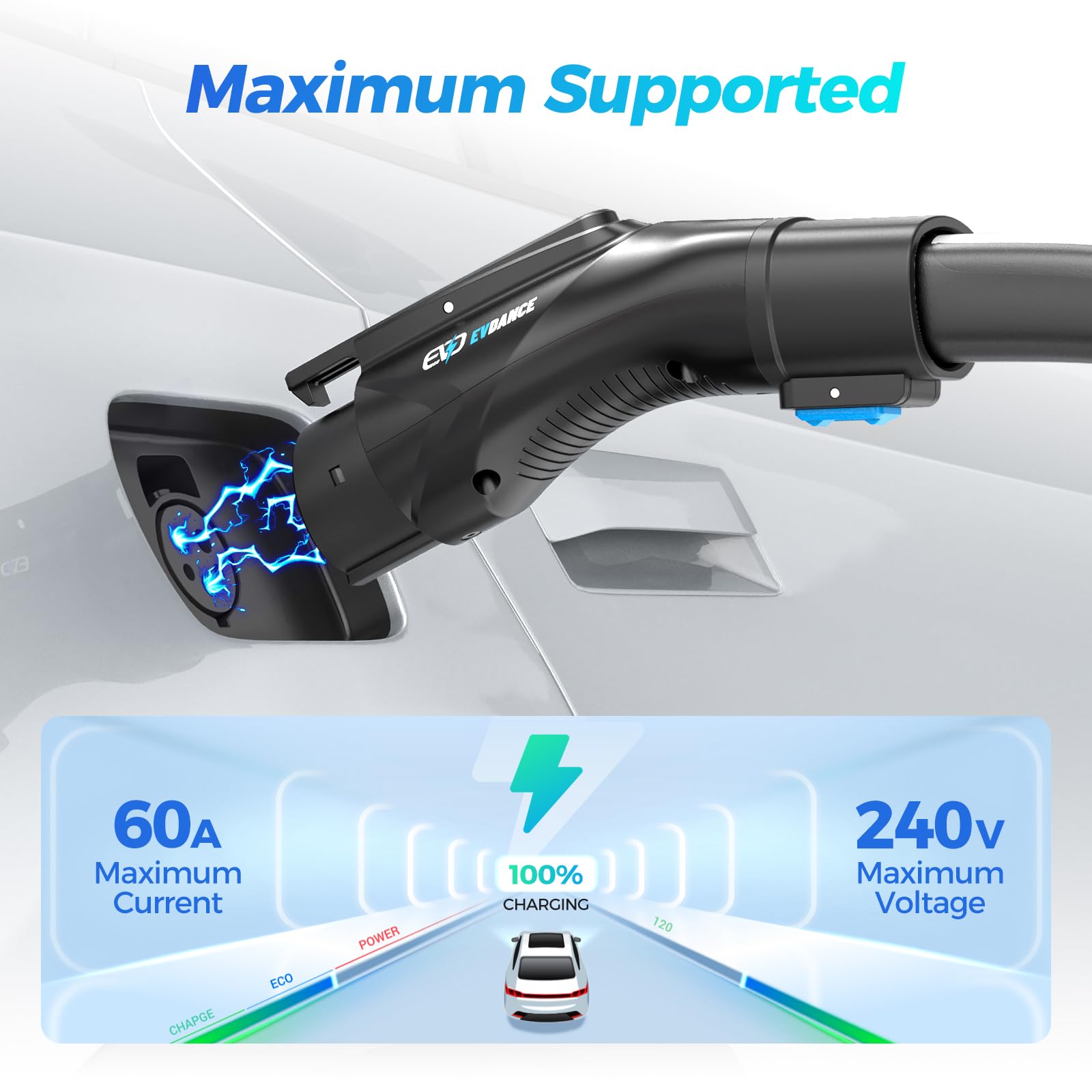
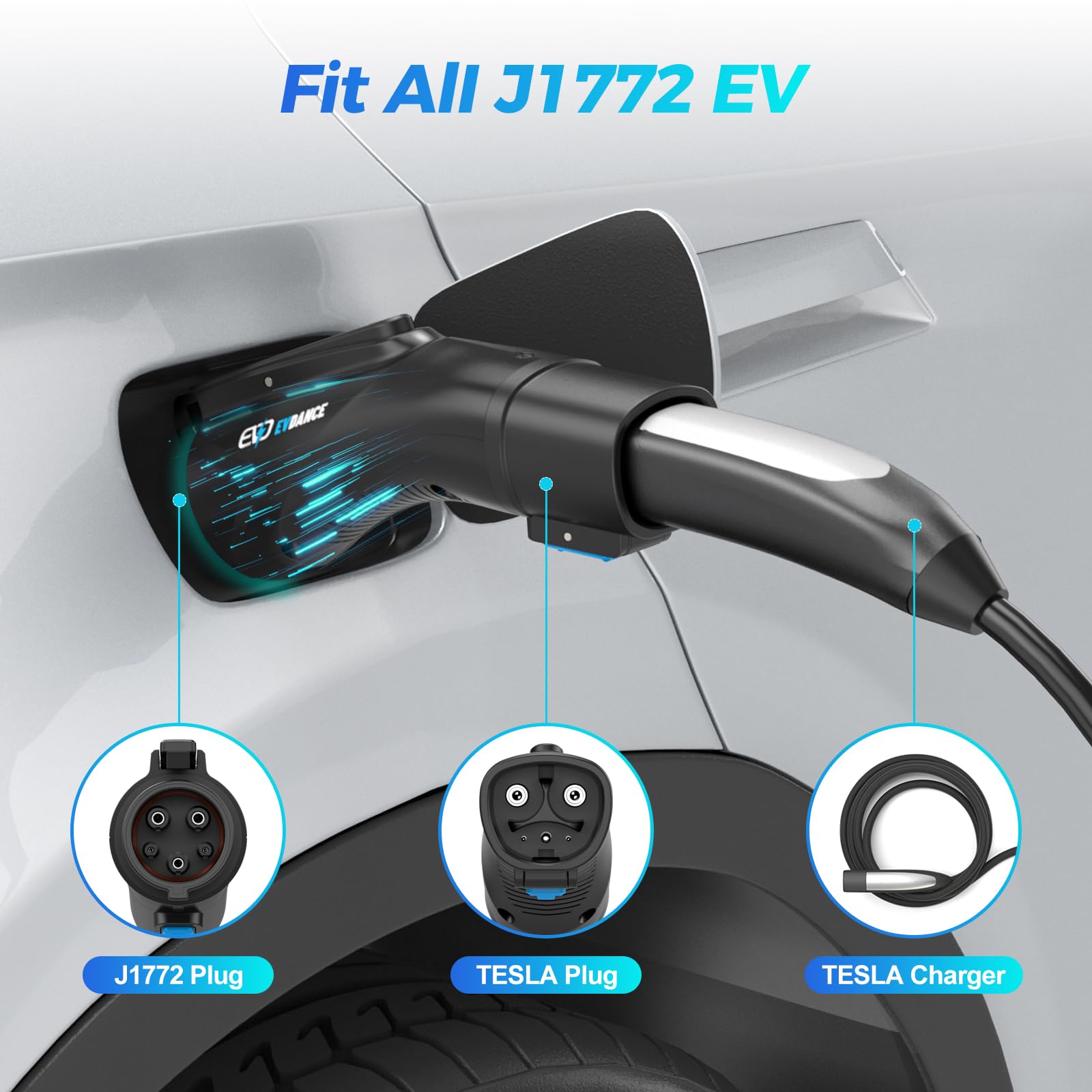
EVDANCE Tesla(NACS) to J1772 Charging Adapter with Security Lock
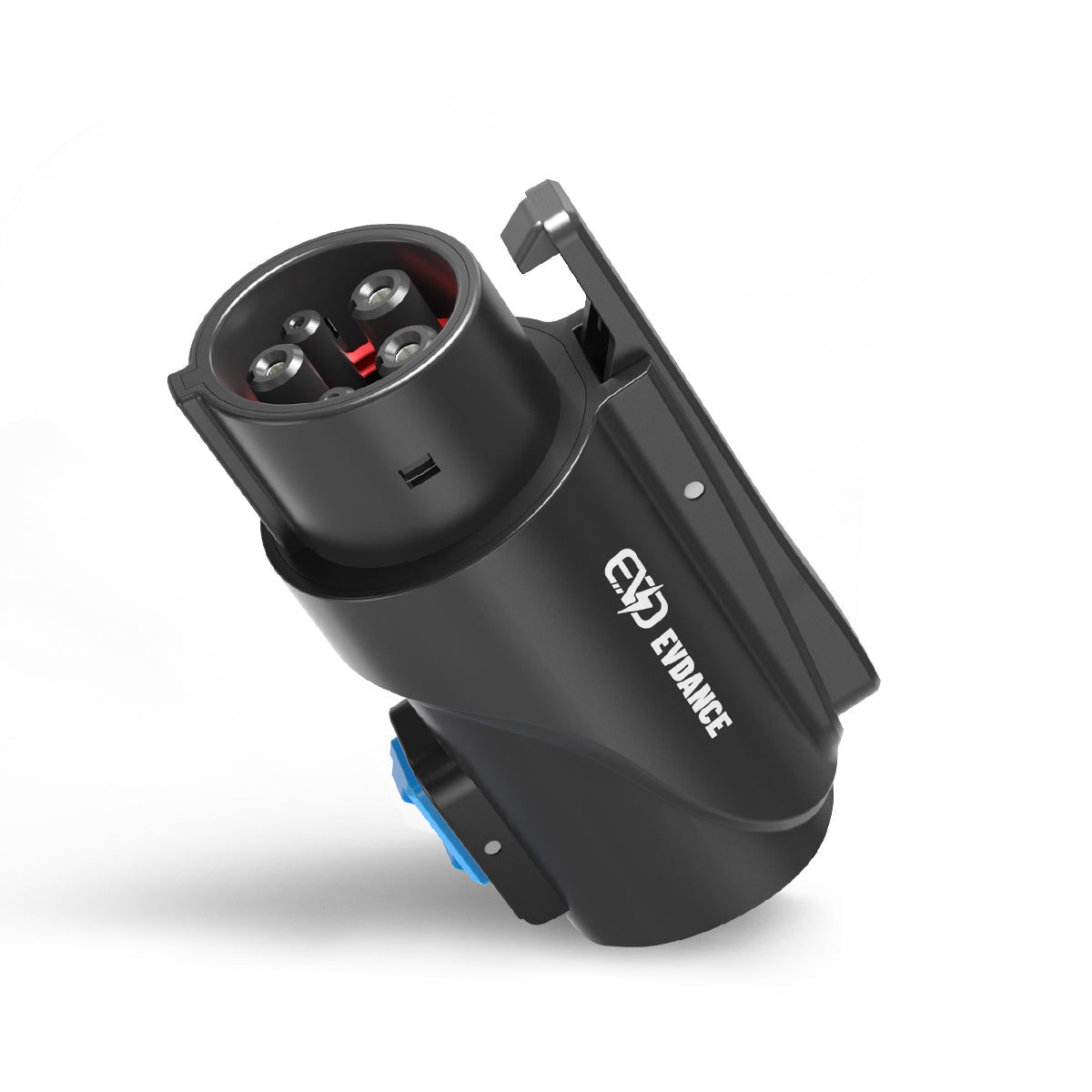
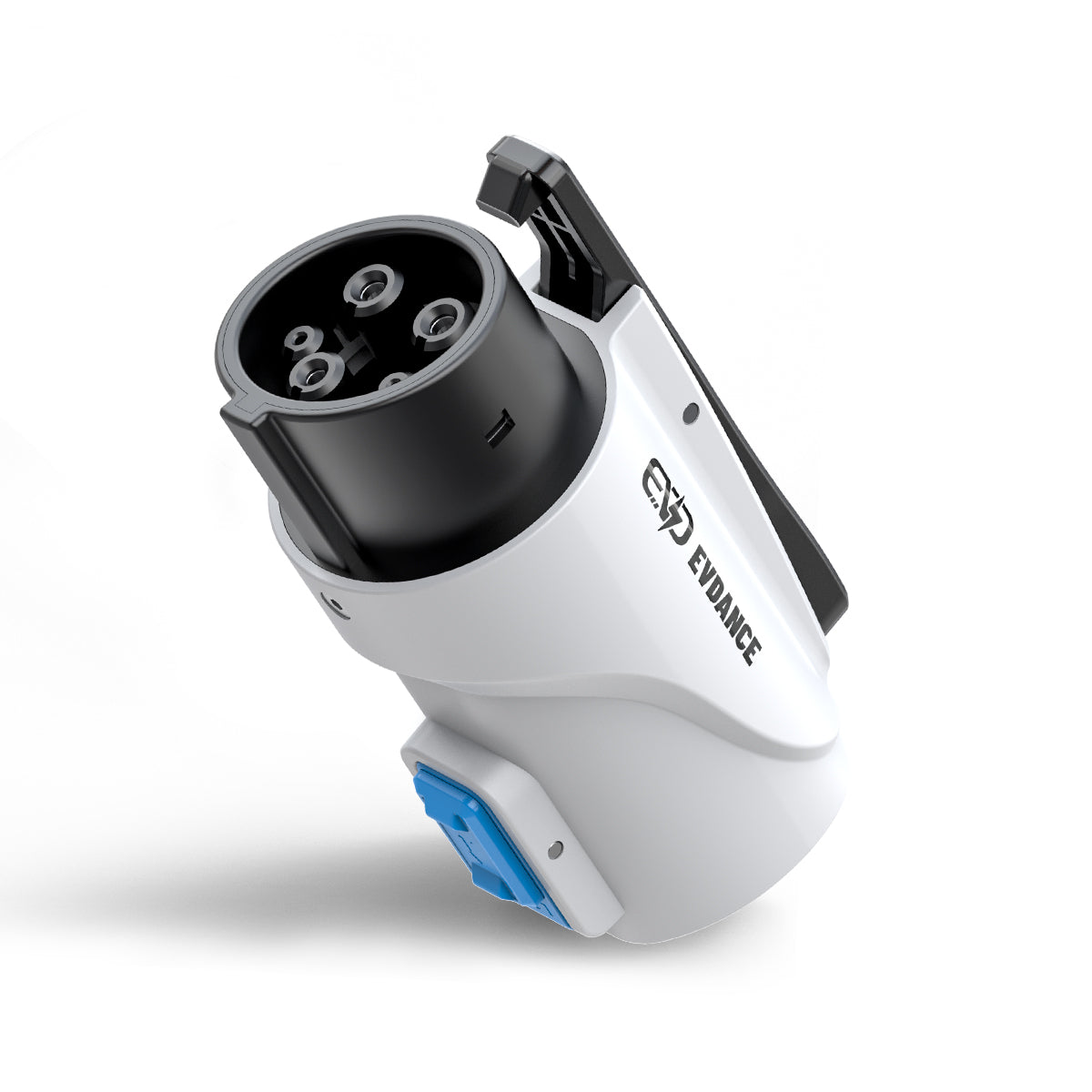


EVDANCE Mini Tesla(NACS) to J1772 Charging Adapter Max 80 Amp & 250V
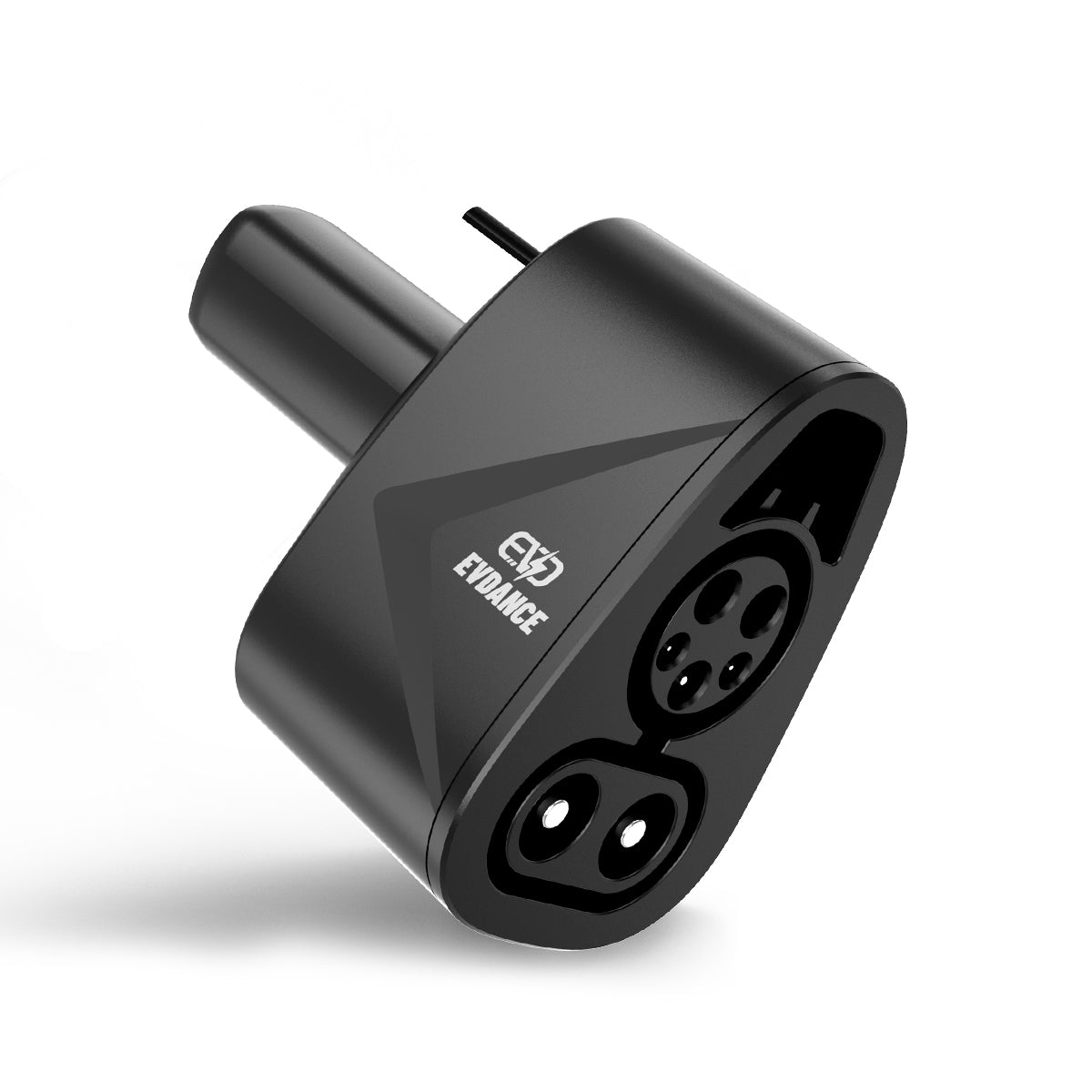
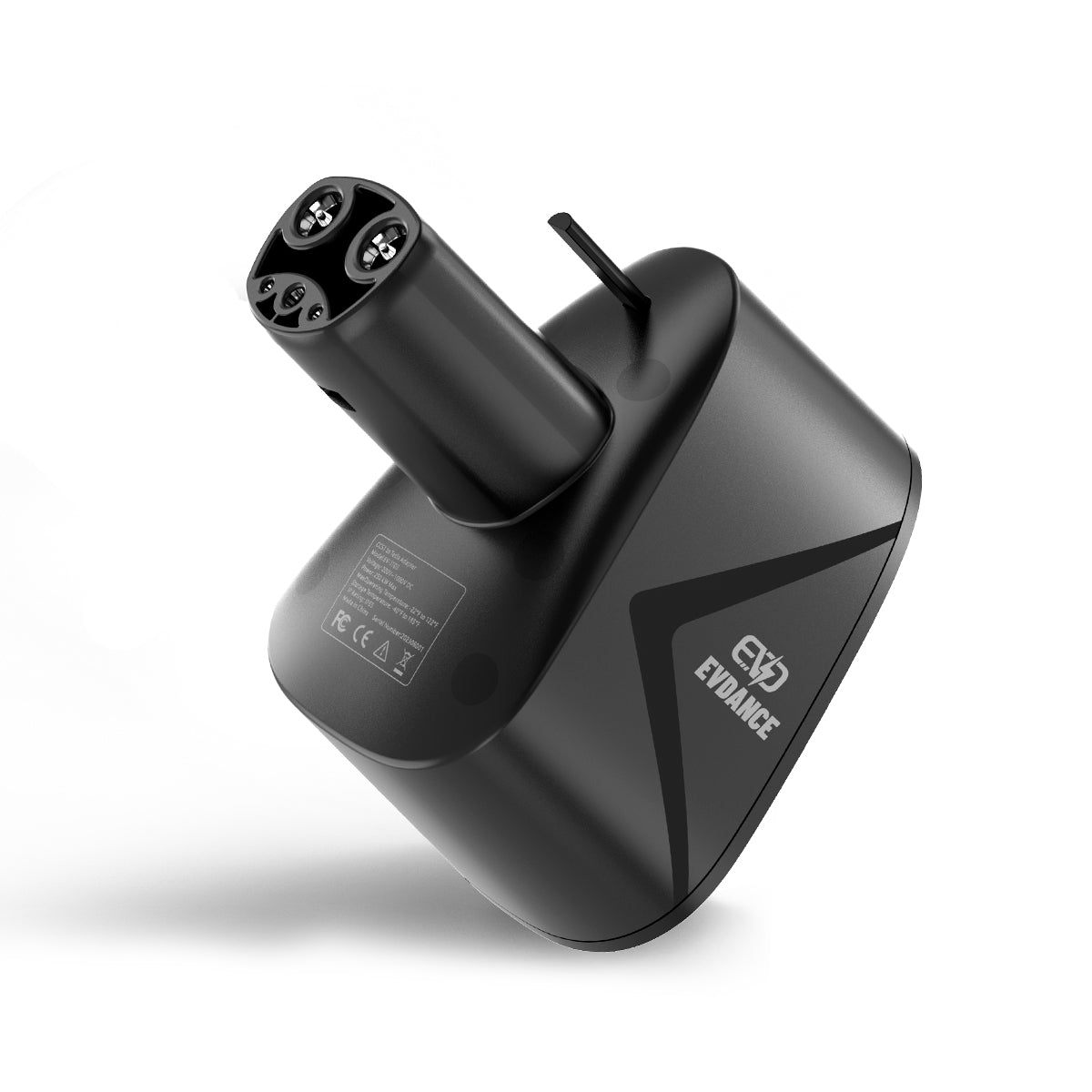
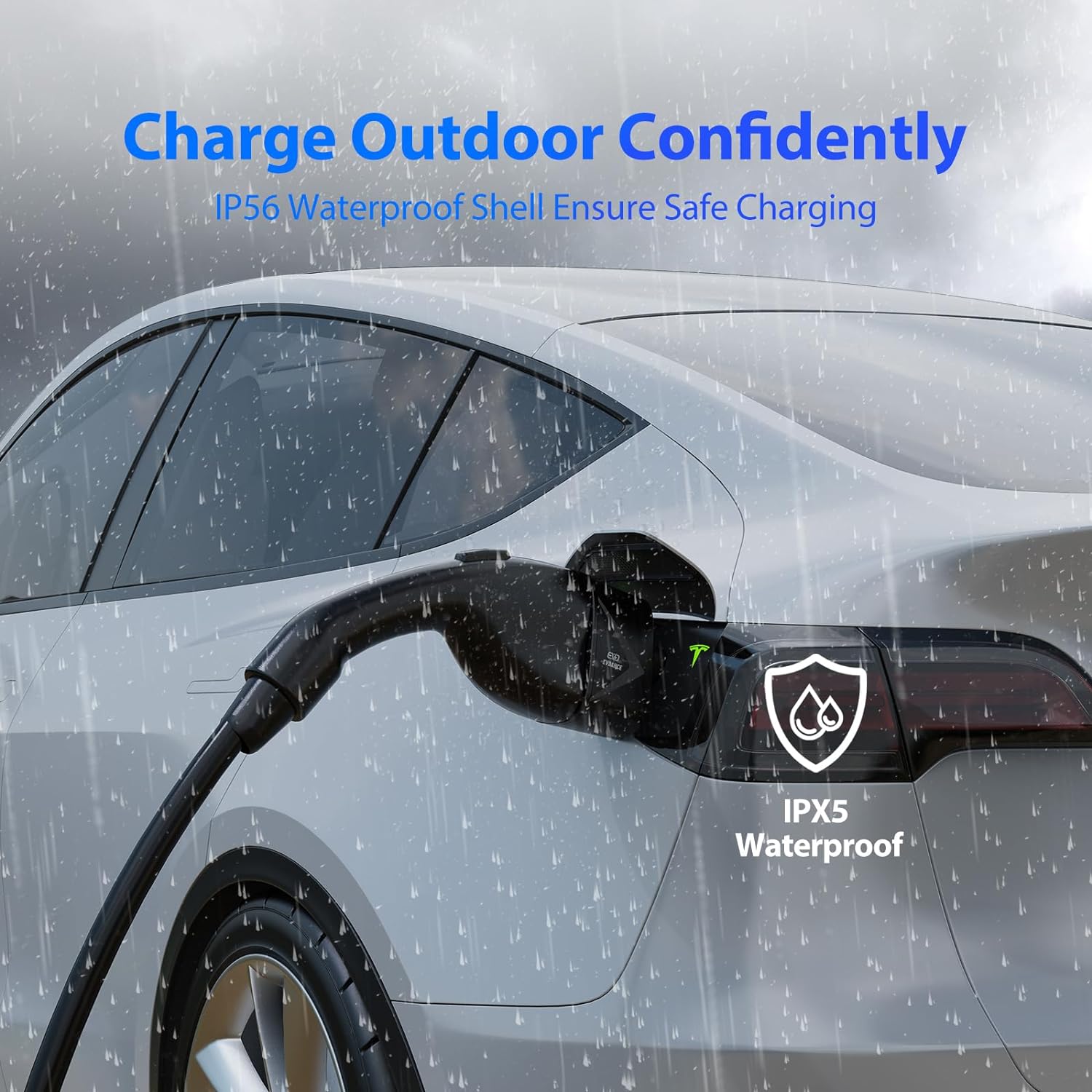
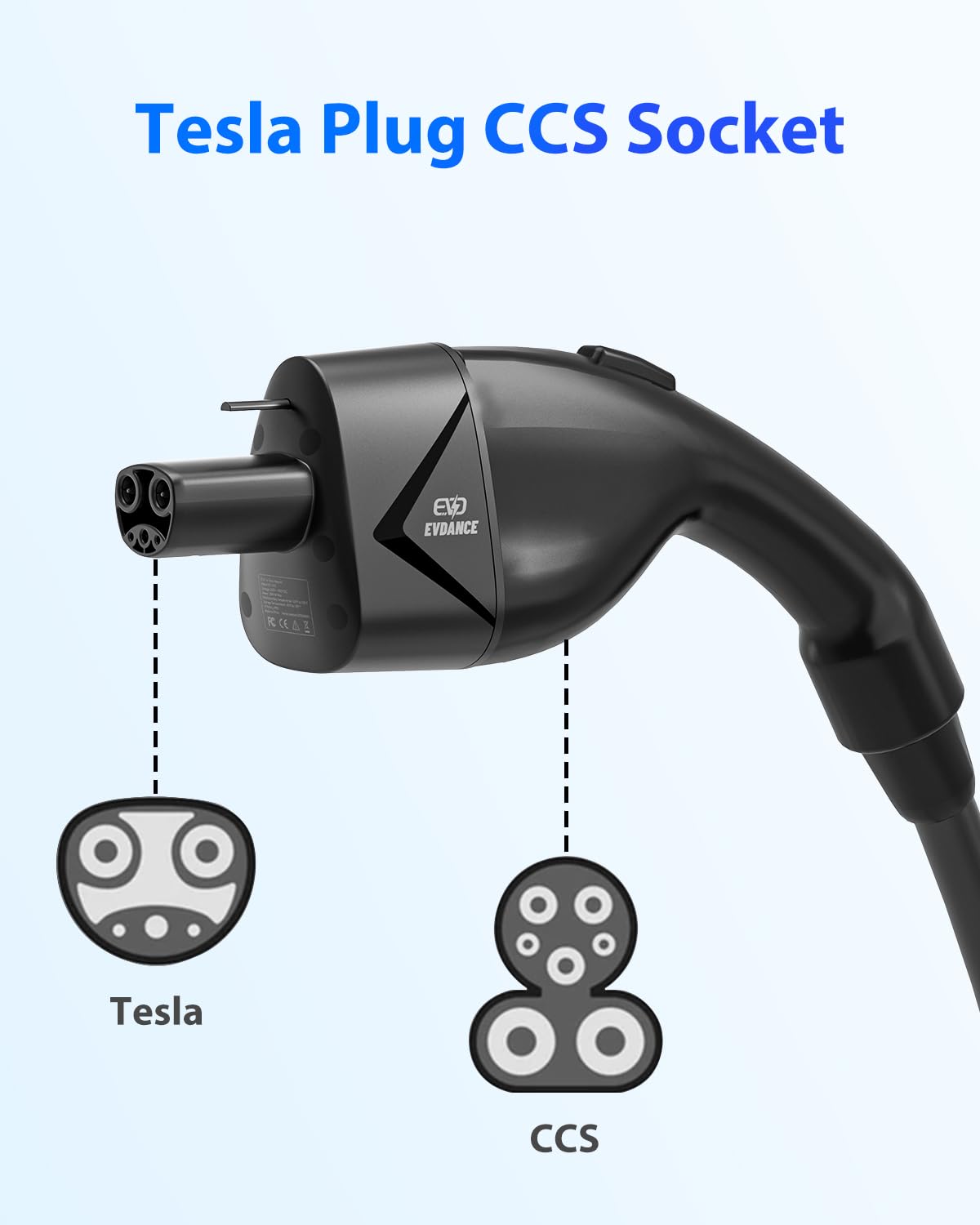
EVDANCE CCS1 To NACS Adapter 250KW
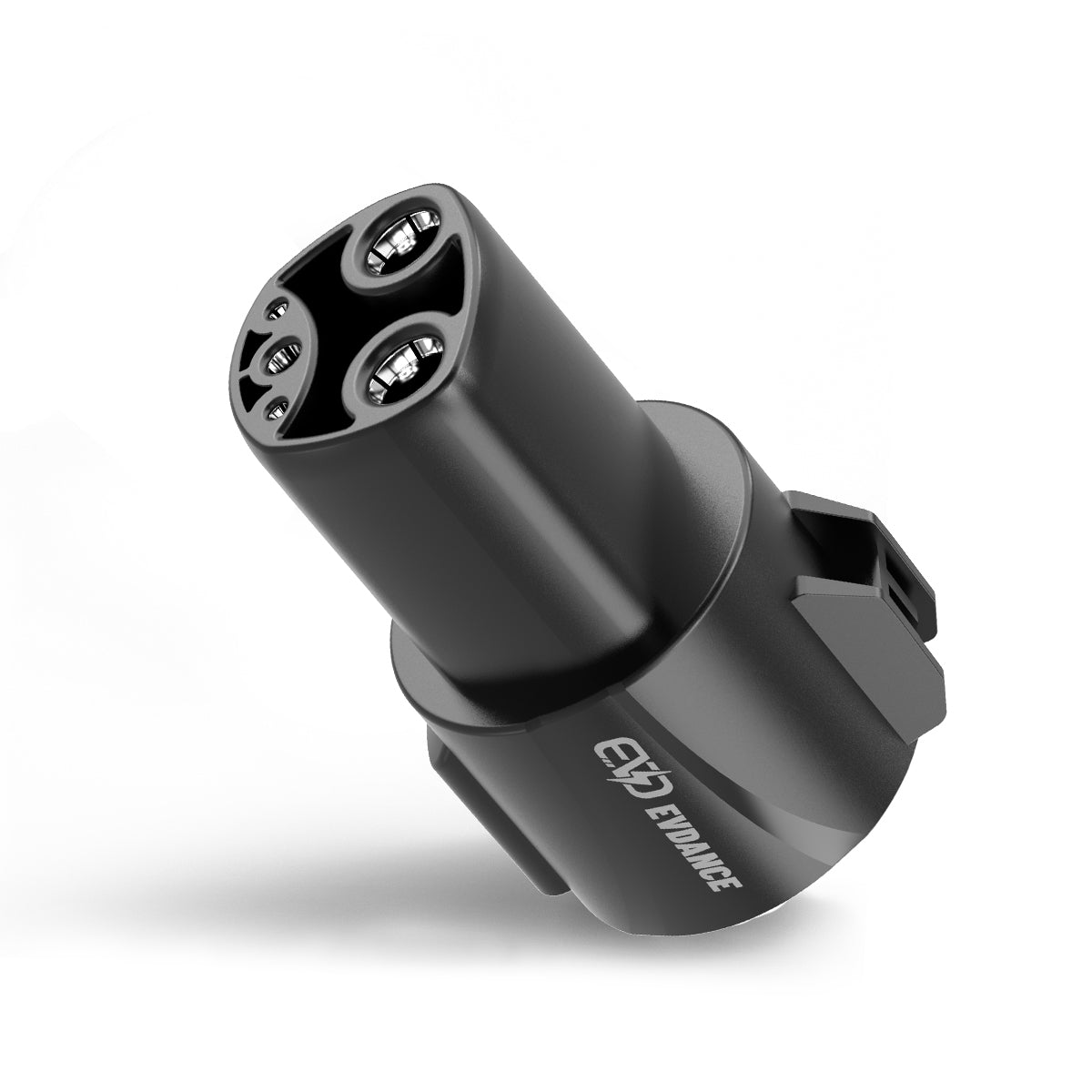
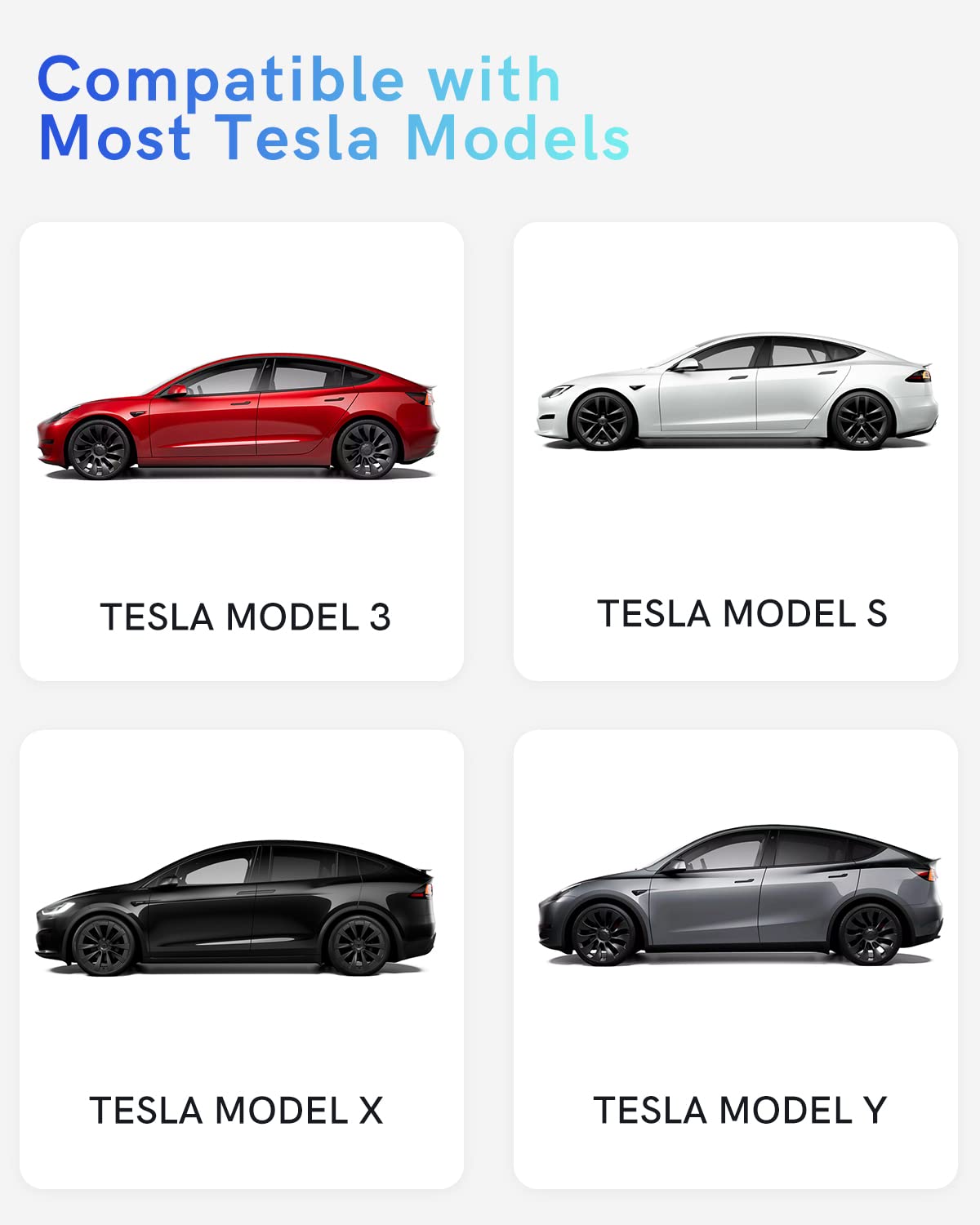
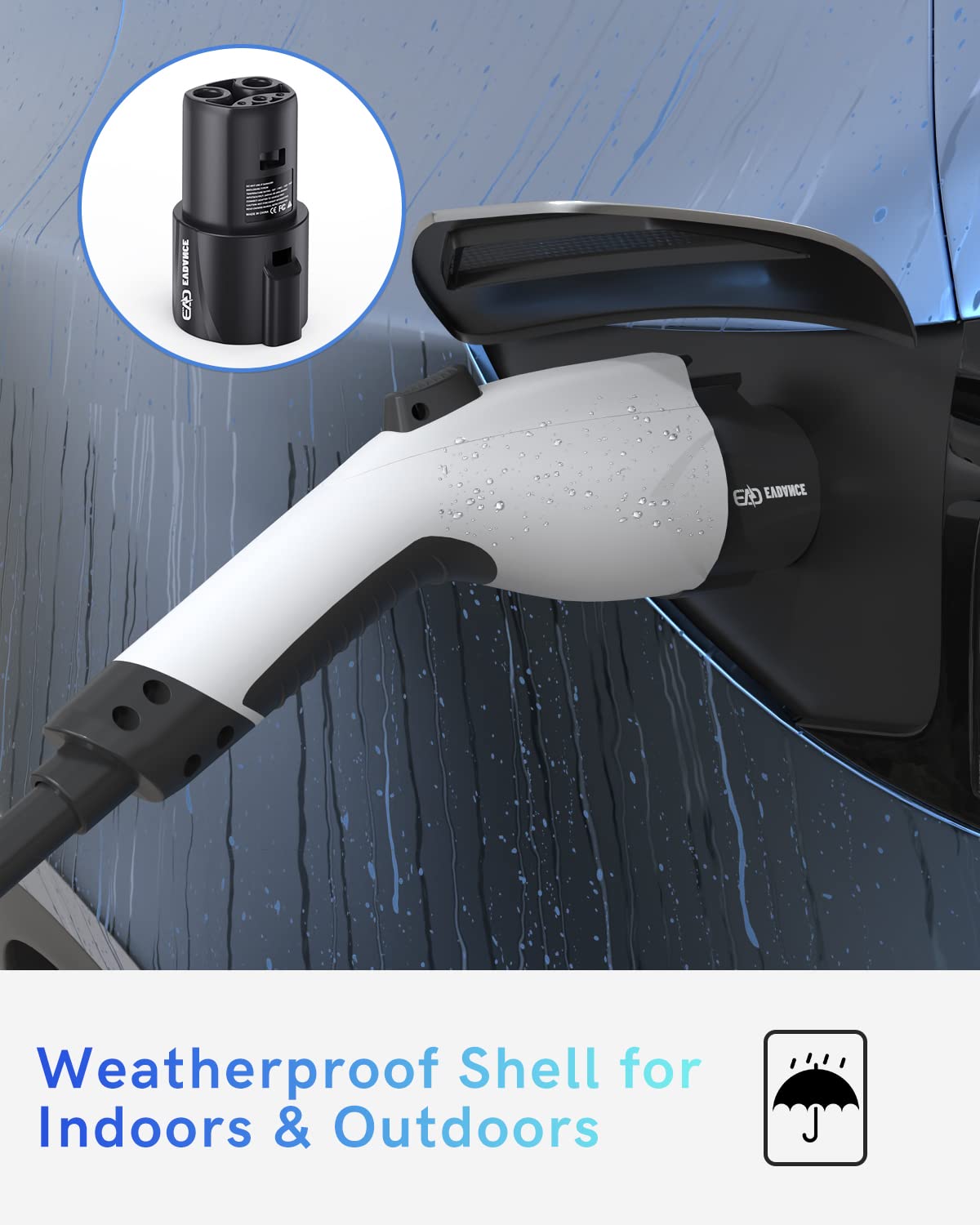
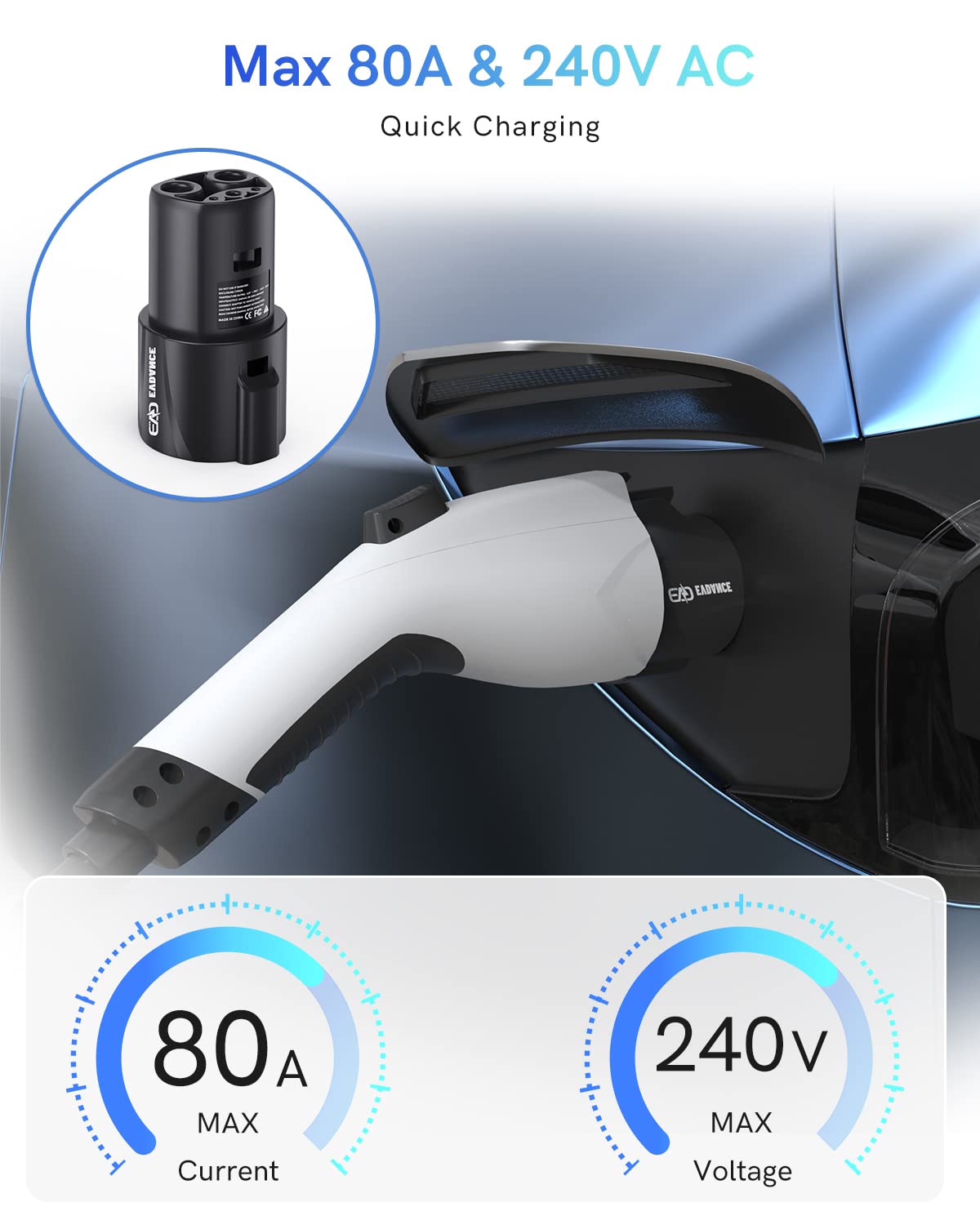
EVDANCE SAE J1772 to Tesla Charging Adapter 80 Amp/ 240V
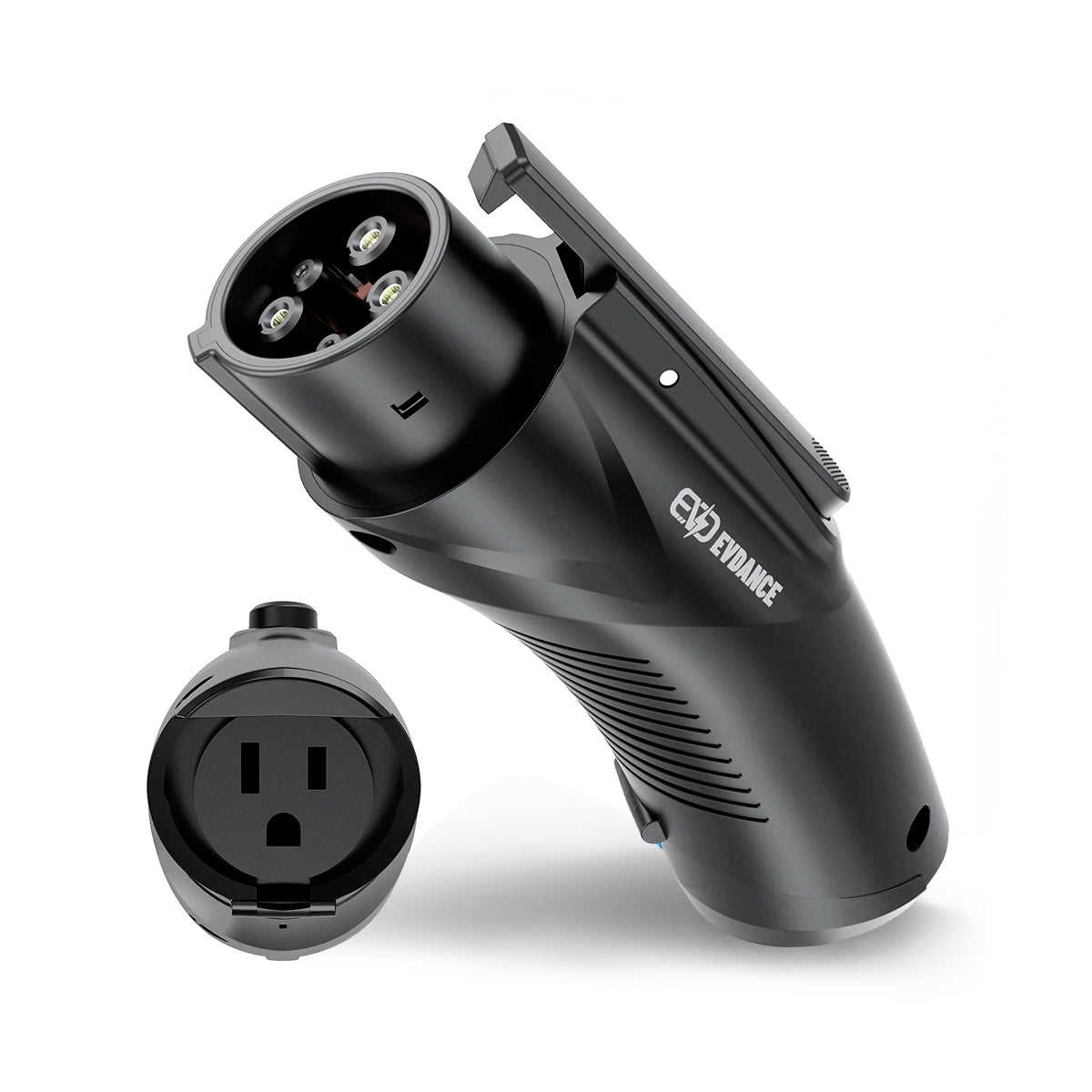
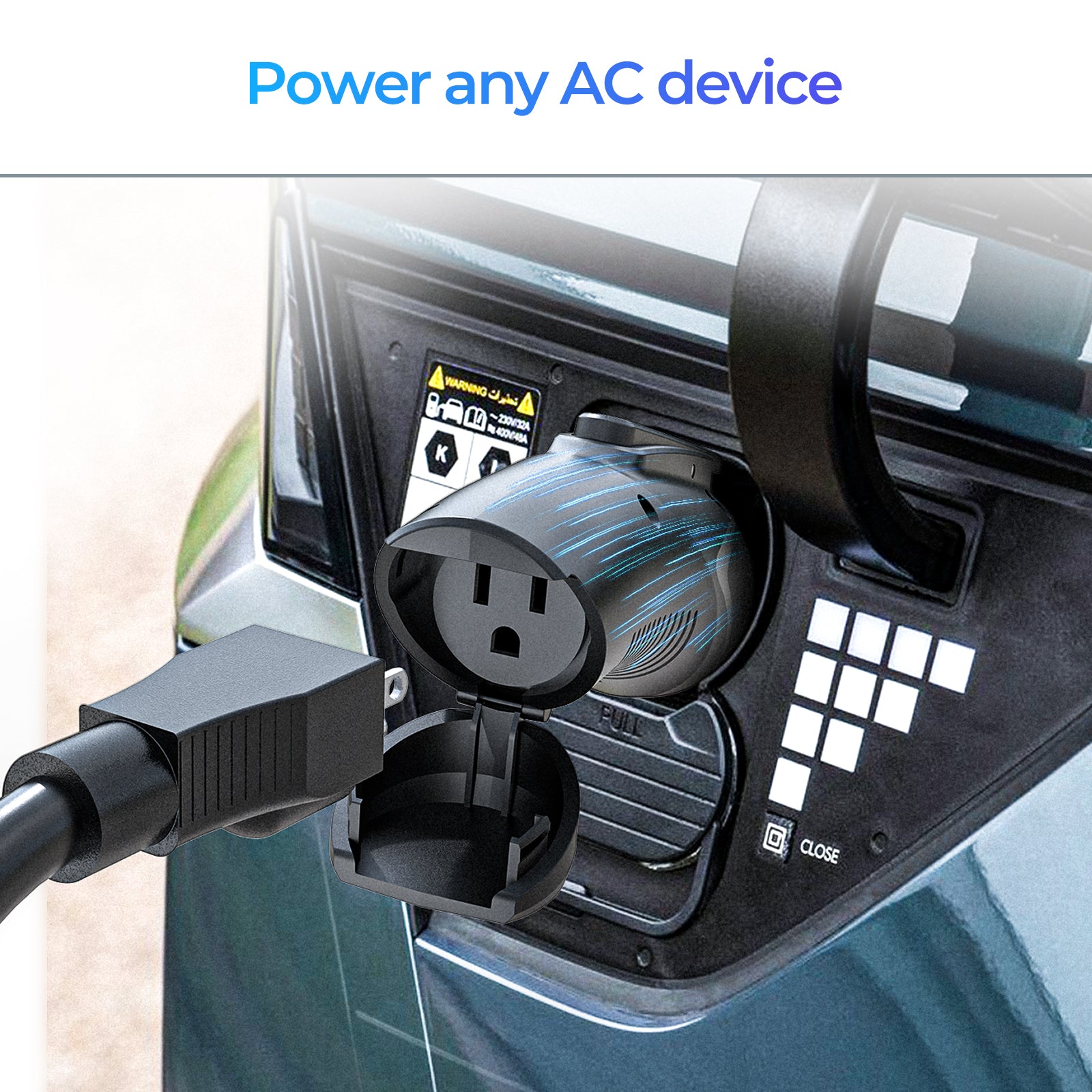
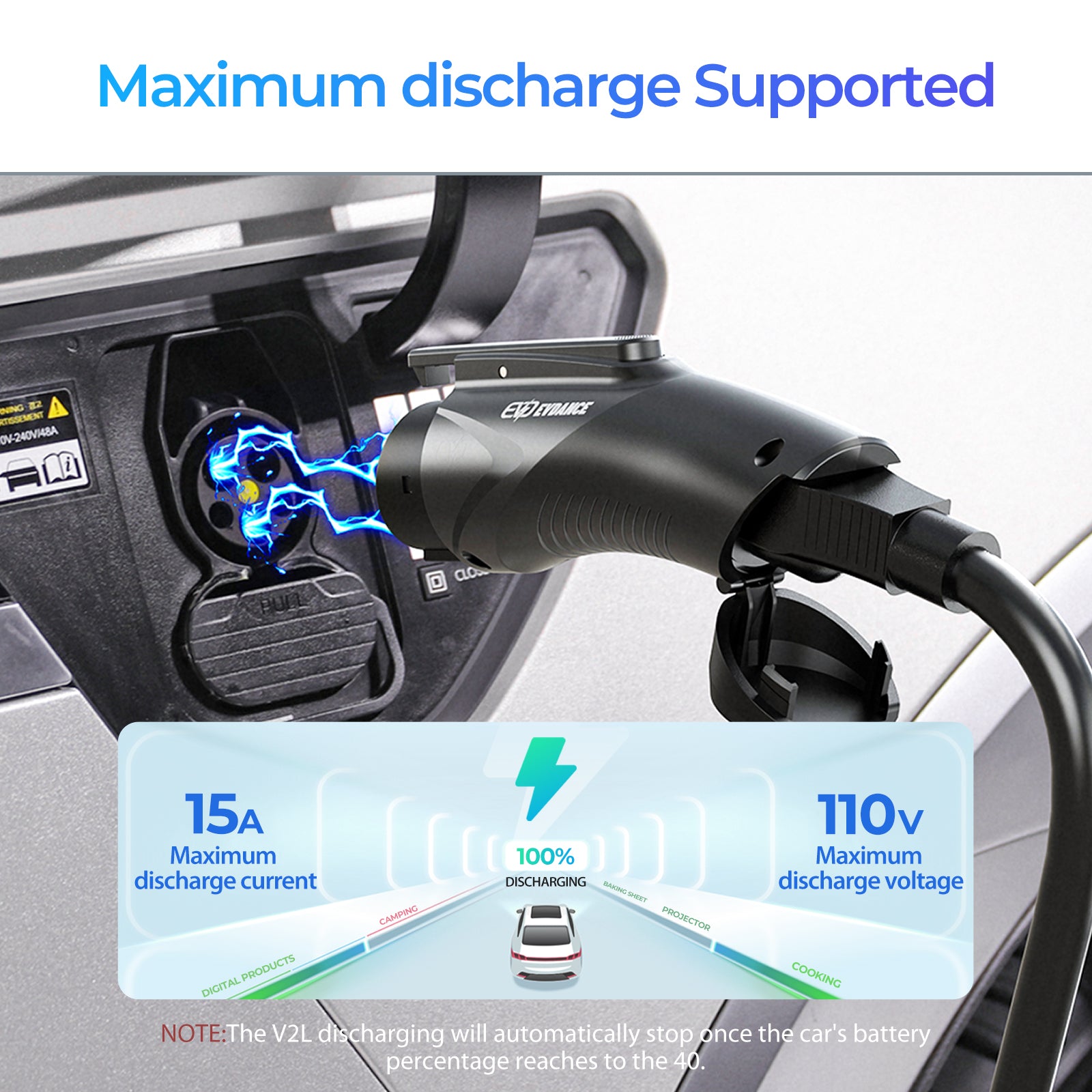

EVDANCE V2L Adapter for Hyundai Ioniq 5 & Ioniq 6,Kia EV6 15 Amp

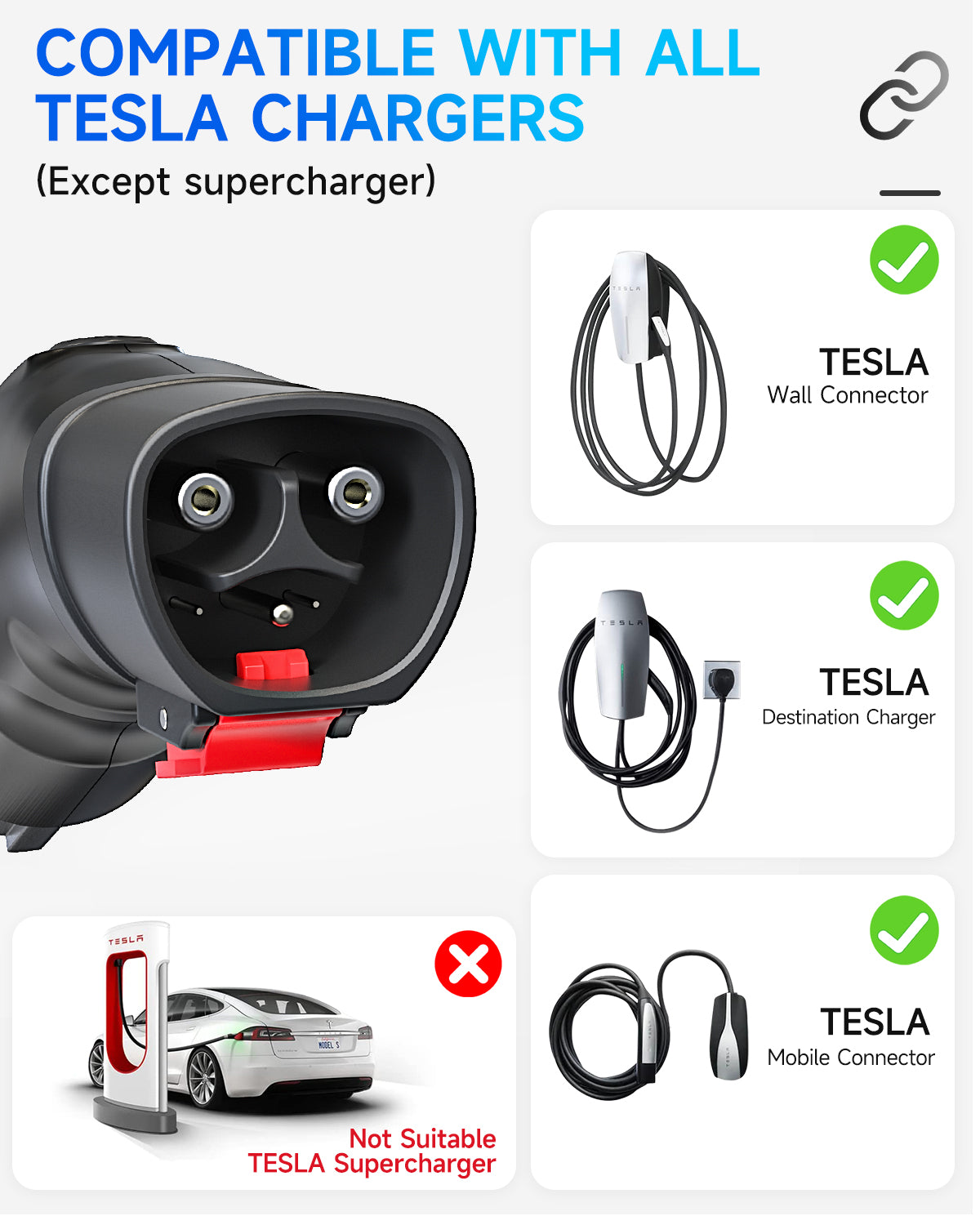
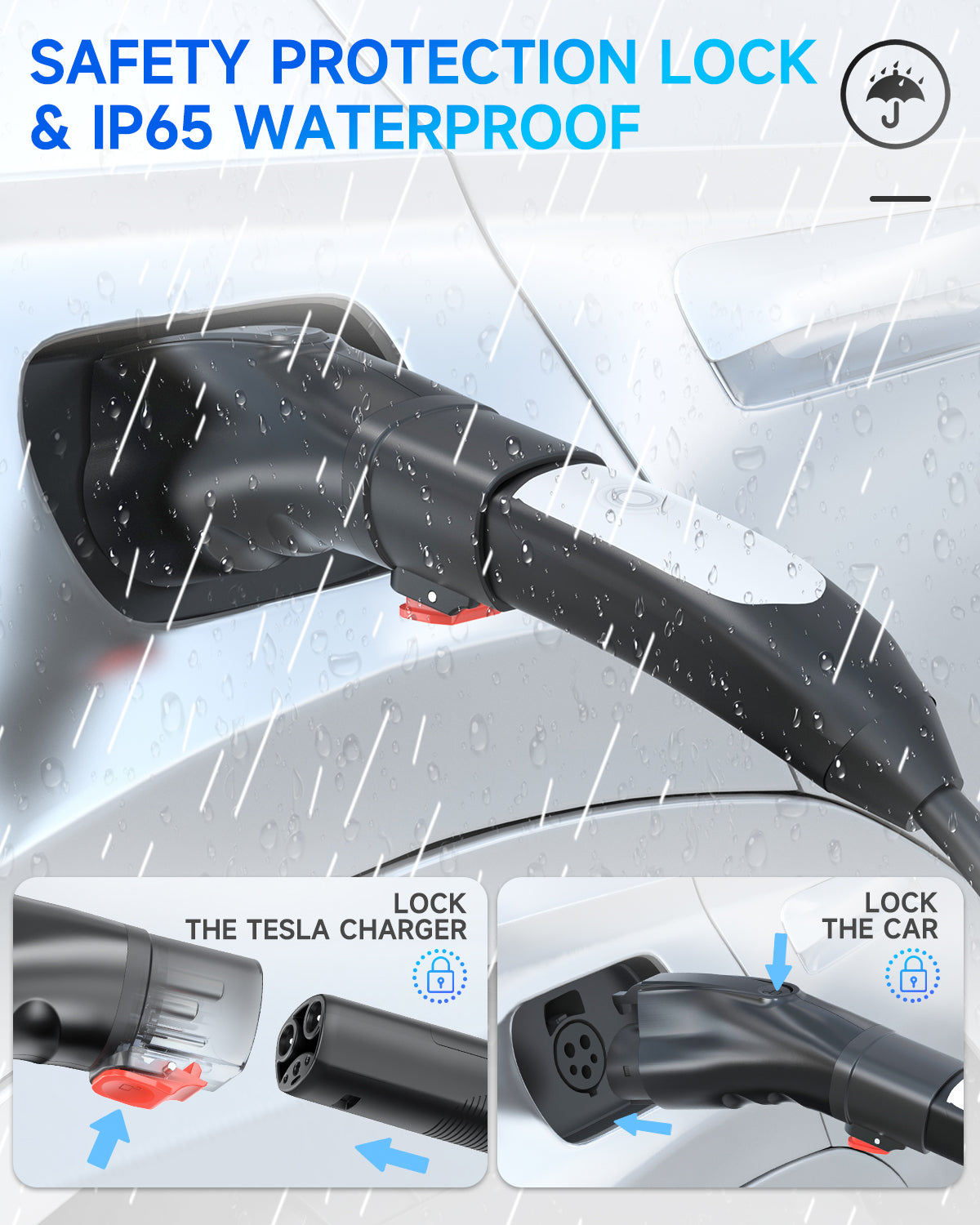
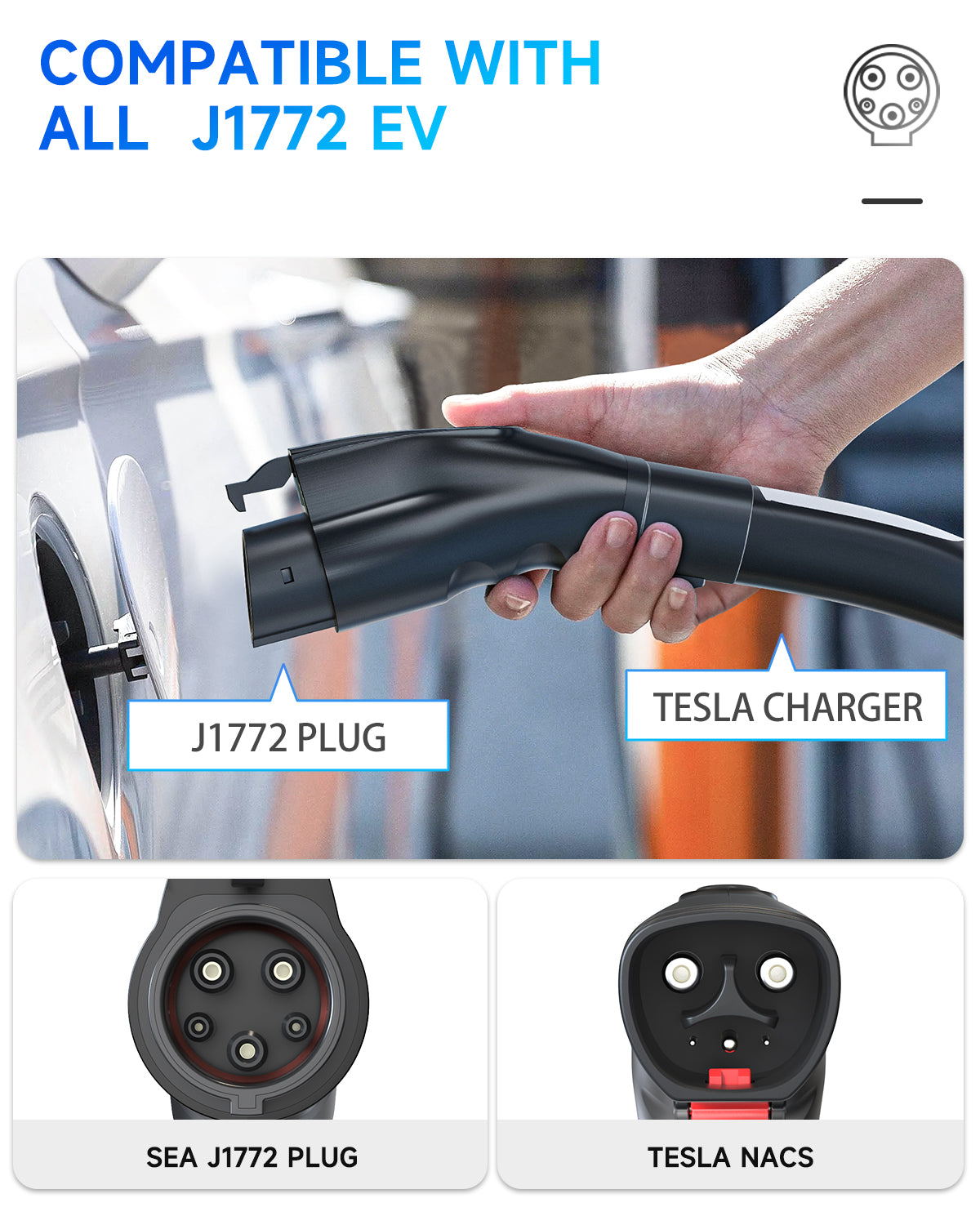
Tesla(Nacs) to J1772 Charging Adapter with Security Lock - Promote

RECOMMENDED BY

Kim Java
If you go to a friend's house and their car is blocking the charger or the charger is in an awkward spot, or you're travelling just can't quite reach the charger, you can use the extra length that you need.

Robert Rosenfeld
Perfect solution for charging multiple cars without the hassle! Durable, reliable, and makes outdoor charging effortless. Exactly what I needed!

Walter Schulze
When you’re on a roadtrip going to a hotel that has an EV charger, the PlugShare says it's available and working, and when you get there it is ICEd. That's where EVDANCE Extension Cord comes into play.
EV Compatibility













Customer Support
Monday - Friday
24/7 Customer Support
1-Year Warranty
EVDANCE Covers A Period Of 12 Months From The Date Of Purchase.
Fast Free Shipping
Fast Free US & DE & CA Shipping 48 - 72 Hours
Secure Payment
On EVDANCE Your Payment Information Is Processed Securely
FAQ
What types of EV chargers are available and which one is right for me?
There are mainly three types of EV chargers: Level 1, Level 2, and DC Fast Chargers. Level 1 chargers use a standard household outlet and are best for overnight charging at home. Level 2 chargers require a 240V outlet and charge faster, making them suitable for both home and public use. DC Fast Chargers provide rapid charging and are commonly found in public charging stations.
How long does it take to charge an electric vehicle?
Charging time varies based on the charger type and the vehicle's battery capacity. Level 1 chargers can take 8-20 hours to fully charge, Level 2 chargers can take 4-8 hours, and DC Fast Chargers can charge up to 80% in 20-40 minutes.
What are the costs associated with installing an EV charger at home?
The cost of installing an EV charger at home depends on the type of charger, installation complexity, and local labor rates. Level 1 chargers generally cost less since they can use existing outlets, while Level 2 chargers may require electrical upgrades and can cost between $500 to $2,000 including installation. Incentives and rebates might be available to offset these costs.
Are there incentives or rebates for installing EV chargers?
Yes, many regions offer incentives and rebates for installing EV chargers. These can come from federal, state, or local governments, as well as utility companies. Incentives may cover part of the installation costs, provide tax credits, or offer rebates on the purchase of the charger. It's advisable to check local resources for specific programs available in your area.
What is the difference between a connector and a charger?
A connector refers to the physical plug that connects the EV to the charging station, while a charger is the entire system that delivers electricity to the EV. There are different connector types depending on the region and the charging standard, such as Type 1 (J1772) in North America, Type 2 (Mennekes) in Europe, and CHAdeMO or CCS for fast charging.
How do I apply for tax credits to offset my EV charger installation costs?
Want to learn how to claim a tax credit to offset the cost of installing an electric vehicle charger? See here. 2024 EV Tax Credit: The Best Way to Save on Your EV
Not Found Your Qustions?
Go to our QA Question Bank for more answers!
EV NEWS
Stay current with the latest breakthroughs, sales trends, policy updates, and industry shifts shaping the future of electric mobility. From EV startups to legacy automakers, this section delivers timely insights into the rapidly evolving world of electric vehicles—covering tech innovations, market performance, charging infrastructure, and more.

Toyota Warns of Industry Crisis and Pushes Cost Overhaul
Toyota executives caution that the auto industry faces mounting pressure from competition, software shifts, and costs. The company is revising quality standards and supplier strategies to improve efficiency and maintain competitiveness.

Tesla Introduces Foldable Supercharger Units to Speed Up Deployment
Tesla’s new foldable Supercharger units streamline transport and setup, cut installation time by 50%, and support high-power charging up to 500 kW per stall, enhancing network efficiency.
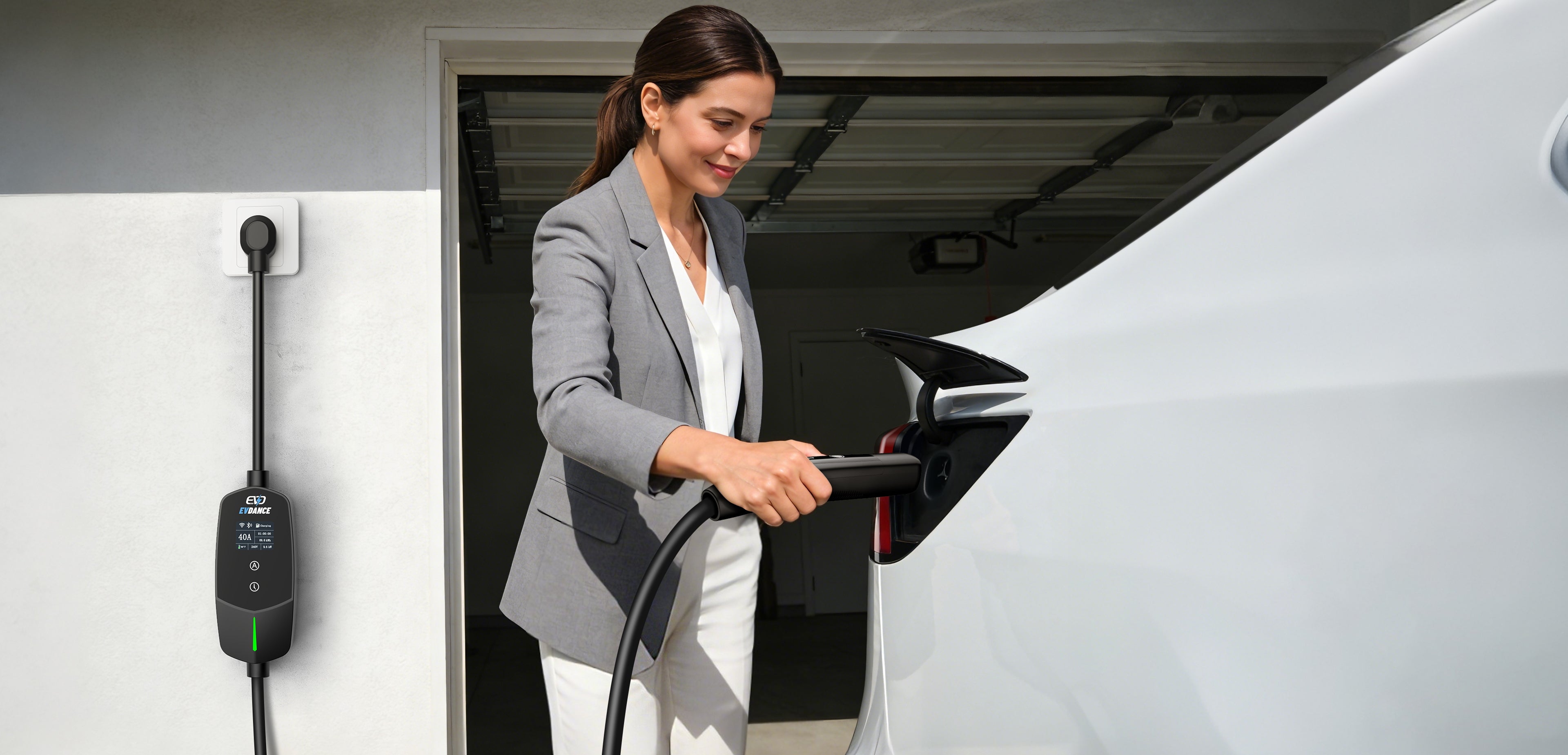
Home EV Charging Costs Rise, But Staying Plugged In at Home Remains Cheaper
JD Power finds home EV charging satisfaction declining due to rising electricity rates. Off-peak schedules and smart-charging programs help reduce costs, keeping residential charging far cheaper than gas or DC fast charging.
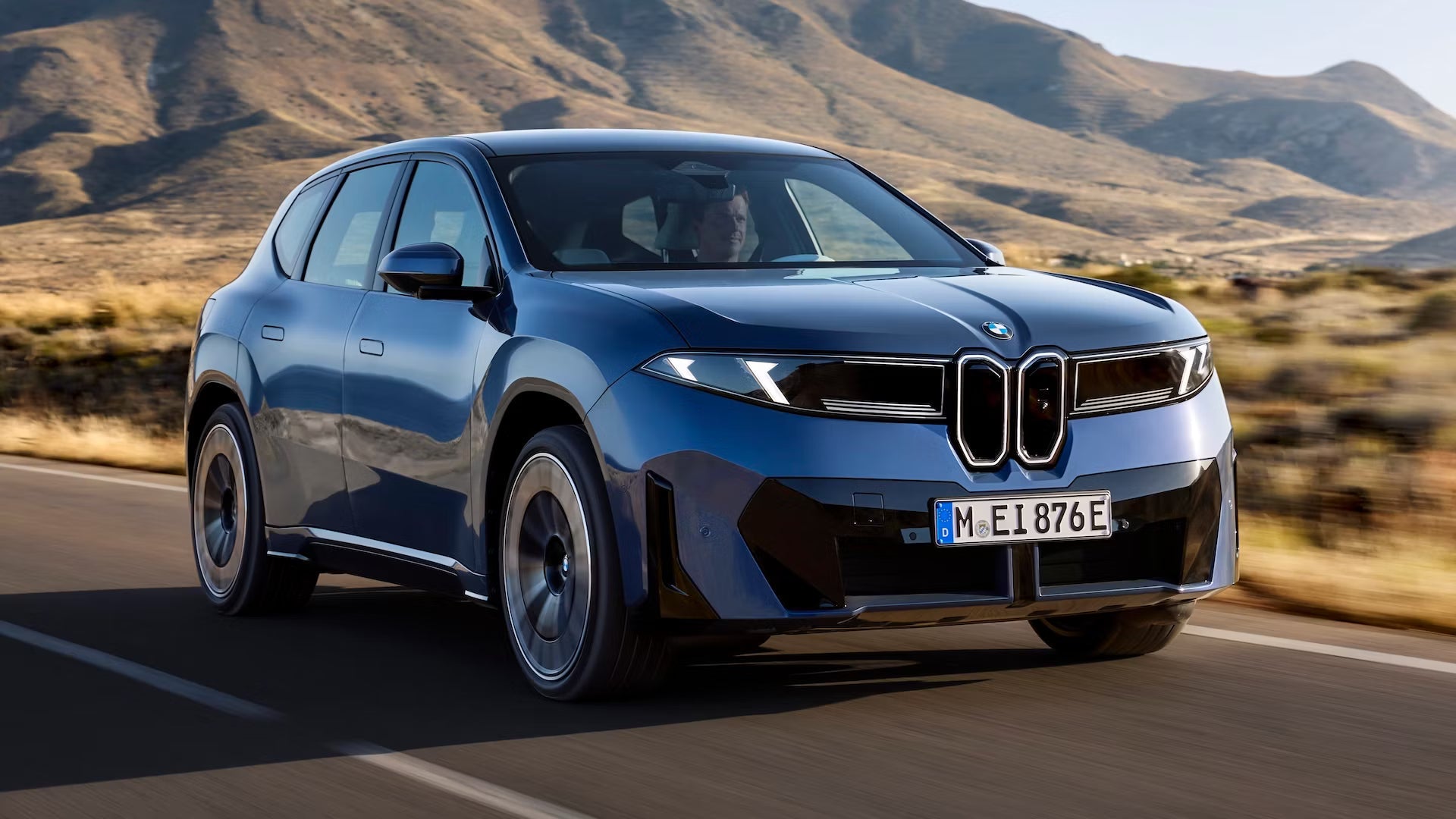
New EV Market Falters While Used Electric Cars Gain Momentum
First-quarter 2026 saw a decline in new EV purchases due to expired incentives, while used EV sales surged. Expanding model variety, competitive prices, and high gas costs are boosting the pre-owned electric vehicle market.

Xiaomi SU7 Facelift Review: What’s New and Improved in 2026
Xiaomi’s refreshed SU7 sedan introduces structural, performance, and technology upgrades. Early reviews note improved comfort, handling, and faster charging, signaling a more competitive EV ahead of global expansion plans.