



How Long Does a Tesla Battery Last?
Tesla has established itself as a leader in electric vehicle (EV) technology, particularly when it comes to the longevity and reliability of its batteries. For prospective and current Tesla owners, understanding how long a Tesla battery lasts, the factors influencing its lifespan, and the associated costs of replacement is crucial. This article delves into these aspects while also exploring the impact of industry trends and technological advancements on Tesla battery life.

Understanding Tesla Battery Longevity
Tesla batteries are built to last, with most owners experiencing a battery lifespan that exceeds 300,000 miles. This durability is due to Tesla's advanced battery management systems, high-quality materials, and continuous software updates that optimize performance. In general, Tesla batteries degrade very slowly, often retaining 90% of their capacity after 100,000 miles and around 80% after 200,000 miles.

Factors That Affect Tesla Battery Life
-
Driving Habits: Aggressive driving, including rapid acceleration and frequent high-speed driving, can accelerate battery degradation. Gentle driving habits, on the other hand, help in preserving battery health over time.

-
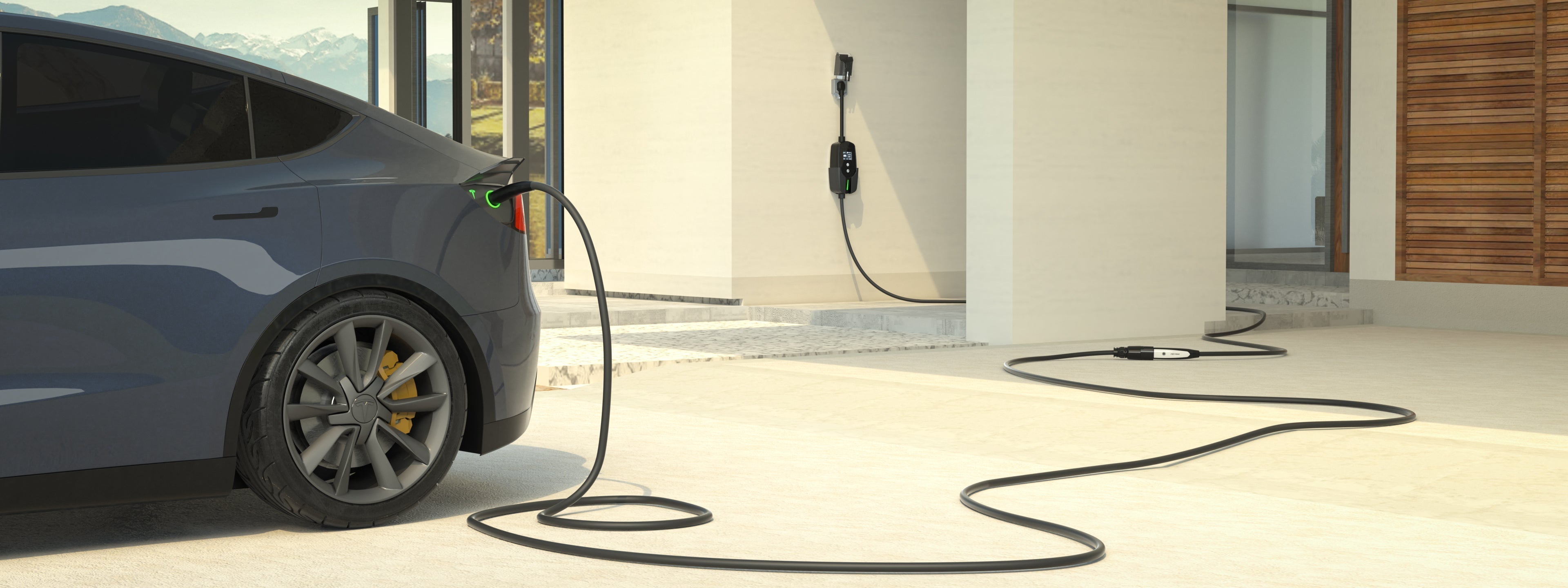
Charging Practices: Regularly charging to 100% or letting the battery drain completely can strain the battery. Tesla recommends keeping the charge between 20% and 80% for daily use and only charging to 100% when necessary for long trips. EV charger also has a significant impact on the battery life of the EV.
-
Environmental Conditions: Extreme temperatures can impact battery life. Tesla's battery management system helps mitigate these effects, but prolonged exposure to very hot or cold conditions can still cause some degradation.
-
Software Updates: Tesla frequently releases software updates that enhance battery performance and longevity. These updates can include changes to charging algorithms, thermal management, and even new features that optimize how the battery is used.
Additional Factors Influencing Tesla Battery Range
-
Weight and Load: Carrying extra passengers or heavy loads can reduce your Tesla's range. The more weight the car has to move, the more energy it consumes, which can lead to faster battery depletion.
-
Terrain: Driving in hilly or mountainous areas requires more energy, as the vehicle must work harder to climb inclines. Frequent uphill driving can shorten your driving range compared to flat terrains.
-
Speed: Higher speeds increase aerodynamic drag, which in turn requires more energy to maintain. Consistently driving at high speeds can therefore reduce the overall range of your Tesla battery.
-
Tire Pressure: Underinflated tires create more rolling resistance, which can decrease your vehicle's efficiency and range. Regularly checking and maintaining optimal tire pressure can help maximize battery range.
-
Regenerative Braking: This system recaptures energy typically lost during braking and feeds it back into the battery. However, aggressive driving that minimizes braking opportunities can reduce the benefits of regenerative braking, impacting overall range.
-
Climate Control Usage: The use of air conditioning or heating can significantly drain your battery. While Tesla has efficient climate control systems, minimizing usage, especially on longer trips, can help conserve battery life.
Tips for Extending Tesla Battery Life
-
Avoid Extreme Temperatures: Park in shaded areas during hot weather and in garages during cold spells to protect your battery.
-
Optimal Charging Practices: Stick to a daily charging routine that maintains your battery between 20% and 80% for regular use.
-
Use Energy-Saving Modes: Tesla’s energy-saving modes can help prolong battery life by reducing power consumption when the car is idle.
-
Regular Maintenance: Keep up with regular software updates and vehicle maintenance to ensure your Tesla operates at its best.
-
Monitor and Adjust Driving Habits: Adopting a smoother driving style and avoiding rapid acceleration can contribute to longer battery life.
Tesla Battery Warranty: Detailed Overview
Tesla offers some of the most comprehensive battery warranties in the electric vehicle (EV) industry, providing owners with peace of mind regarding the longevity and performance of their vehicle's battery. The warranty coverage differs based on the model:
-
Model S and Model X: For these premium models, Tesla offers an 8-year or 150,000-mile warranty, whichever comes first, with a guarantee that the battery retains at least 70% of its capacity during the warranty period.
-
Model 3 and Model Y: These models come with an 8-year or 120,000-mile warranty, again with a guarantee of at least 70% battery capacity retention over the warranty period.
Replacement Costs: While Tesla’s warranty is robust, it’s important to consider the cost of battery replacement post-warranty. The replacement cost can range from $13,000 to $20,000, depending on the model and labor costs. As battery technology evolves, these costs may decrease, but it's a significant investment to be aware of when the vehicle ages beyond its warranty period.
Extended Warranties: Tesla doesn’t currently offer extended warranties specifically for batteries, but third-party options are available. These can be useful, though they come with additional costs and potential limitations on coverage.
Industry Trends: The Future of EV Battery Technology
The EV industry is rapidly evolving, and battery technology is at the forefront of this transformation. Several key trends are shaping the future of Tesla batteries and the broader EV market:
-
-
Solid-State Batteries: Solid-state batteries are poised to revolutionize the EV industry with higher energy density, faster charging times, and improved safety over traditional lithium-ion batteries. Tesla, along with other automakers, is investing in research to bring this technology to market within the next decade.
-
-
Battery Recycling: As EV adoption grows, the industry is focusing on sustainable battery recycling methods to recover valuable materials like lithium, cobalt, and nickel. Companies are developing more efficient recycling processes to reduce environmental impact and lower the cost of new batteries.
-
Second-Life Batteries: Tesla and other companies are exploring the use of second-life batteries—those that are no longer suitable for vehicle use but can still function for stationary energy storage. This trend could extend the lifecycle of batteries and provide additional revenue streams for automakers.
Technological Developments: Advancing Tesla’s Battery Capabilities
Tesla continues to push the envelope in battery technology, with several key developments aimed at enhancing battery performance, longevity, and sustainability:
-
4680 Battery Cells: Tesla's introduction of 4680 battery cells represents a significant leap in battery design. These cells are larger, with a new tabless design that improves energy density and thermal management, leading to better range and efficiency. Tesla's Gigafactories are ramping up production of these cells to be used in future models.
-
Battery Management System (BMS) Enhancements: Tesla’s BMS is a sophisticated system that monitors and optimizes battery performance in real-time. Recent advancements in BMS software allow for more precise control of charging and discharging cycles, further enhancing battery longevity and efficiency.
-
Vehicle-to-Grid (V2G) Technology: Tesla is exploring V2G capabilities, which would allow vehicles to return electricity to the grid. This technology not only supports energy sustainability but also provides an innovative use case for EV batteries, potentially extending their utility beyond traditional driving purposes.
Recommend Reading: How Much Does It Cost to Replace a Tesla Battery in 2025?

Share:
Choosing the Right Extension Cord for Charging Your Electric Vehicle
Should I Install Home Battery Storage? Making the Most of Your Solar Panels