





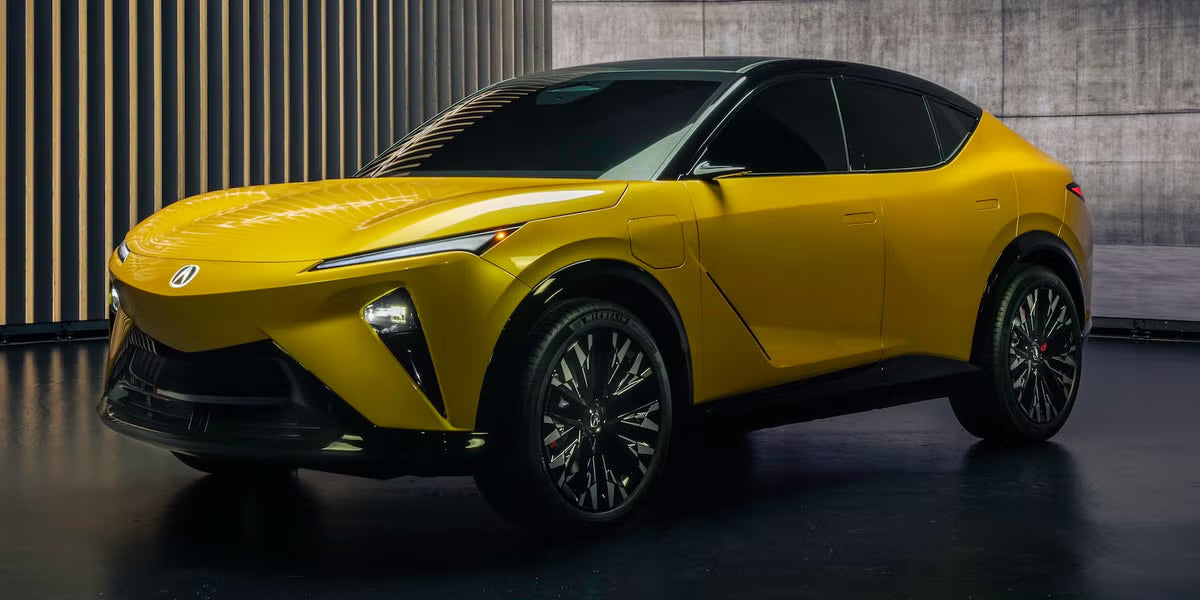
After a rocky start in the electric vehicle market, Acura is preparing a reset. The upcoming Acura RSX is positioned as the brand’s first fully in-house electric model, signaling a strategic shift away from shared platforms and toward proprietary EV technology developed by Honda.

Learning From the ZDX and Resetting Acura’s EV Strategy
Acura’s initial EV effort, the ZDX, struggled to gain traction. Built on General Motors’ Ultium platform and assembled outside Honda’s own manufacturing system, the electric crossover failed to deliver strong sales or a clear brand identity. Fewer than 20,000 units were sold in the U.S. across 2024 and 2025, and the model was discontinued shortly after federal incentives expired.
Rather than retreating from electrification, Acura has opted to regroup. The RSX represents a clean break from the ZDX, with new engineering, new software, and domestic production forming the foundation of its comeback.
Honda’s 0 Series Platform Takes Center Stage
The Acura RSX will be the first production vehicle to use Honda’s all-new 0 Series EV platform, developed entirely in-house. This architecture emphasizes lightweight construction, structural battery integration, and advanced manufacturing methods such as mega casting.
According to Honda, the platform is designed to deliver improved efficiency, longer driving range, and better packaging compared with its previous EV efforts. Extensive aerodynamic development has also shaped the RSX’s exterior, which features a coupe-like roofline and a compact, performance-oriented stance.
All 0 Series vehicles, including the RSX, will be built at Honda’s new EV hub in Ohio, making them the company’s first U.S.-manufactured electric vehicles.
Charging Architecture and Electrical Capabilities
Honda has confirmed that the 0 Series platform is compatible with 800-volt battery systems, though it remains unclear whether early RSX models will launch with this capability. An 800V system would enable faster DC fast charging by reducing current and heat buildup, but Honda has suggested that initial variants may retain a 400V setup.
What is confirmed is the inclusion of a native NACS charging port, aligning the RSX with Tesla’s charging standard in North America. The platform will also support vehicle-to-load (V2L) functionality, allowing the battery to power external devices and equipment.
Interior Technology and Software Direction
While Acura has not released interior images, the RSX is expected to debut a new digital environment centered on Asimo OS, an AI-enabled infotainment system named after Honda’s iconic robotics program.
The system is designed to support true over-the-air software updates, deeper vehicle personalization, and AI-driven assistance features. Acura has positioned software as a core differentiator for the RSX, aiming to deliver a more modern and responsive user experience than previous models.
Performance and Driving Hardware
The RSX will launch with dual-motor all-wheel drive as standard, though official output figures have not been confirmed. Honda has previously stated that its latest electric drive unit can produce up to 241 horsepower per motor, suggesting a potential combined output approaching 500 horsepower under optimal conditions.
Chassis hardware points to a performance-focused setup. Acura has confirmed Brembo front brakes and double-wishbone front suspension, indicating an emphasis on handling and driving engagement. Battery capacity, range estimates, and acceleration figures will be announced closer to launch.
Competitive Positioning in the EV Market
The RSX is expected to compete directly with Tesla Model Y, Ford Mustang Mach-E, Cadillac Optiq, Kia EV6, and Hyundai Ioniq 5. Compared with the discontinued ZDX, the RSX is likely to be smaller, lighter, and more competitively priced, aligning more closely with high-volume premium EV crossovers.

Production Timeline and Expected Pricing
Production of the Acura RSX will begin in Ohio in 2026, with customer deliveries expected in the second half of the year. The RSX will precede the Honda 0 Series SUV, while the 0 Series Saloon has been delayed until 2027.
Pricing has not been announced, but Acura is expected to position the RSX below the ZDX’s former $66,000 starting price, placing it well under flagship luxury EVs while maintaining a premium brand image.
Recommend Reading: Acura’s EV Bet Leaves Dealers Exposed During a Market Transition


Share:
Federal EV Charging Program Regains Momentum After a Difficult Start
Tesla Profits Slide as the Company Doubles Down on AI and Robotics