

Tesla Holds the Top Spots Despite Domestic Decline

Tesla’s position in the U.S. electric-vehicle market has weakened sharply, with its share dropping to 32% in Q3 2025, down from 62.8% in 2020. Even as the company shifts its focus toward robotics and artificial intelligence, its two core passenger vehicles remain the strongest forces in global EV sales.

A new report from Autovista24, using data from EV Volumes, confirms that the Tesla Model Y and Model 3 were still the world’s two best-selling battery-electric vehicles (BEVs) from January through September 2025. At the same time, Chinese automakers continued expanding their presence, dominating nearly every other position on the global rankings.

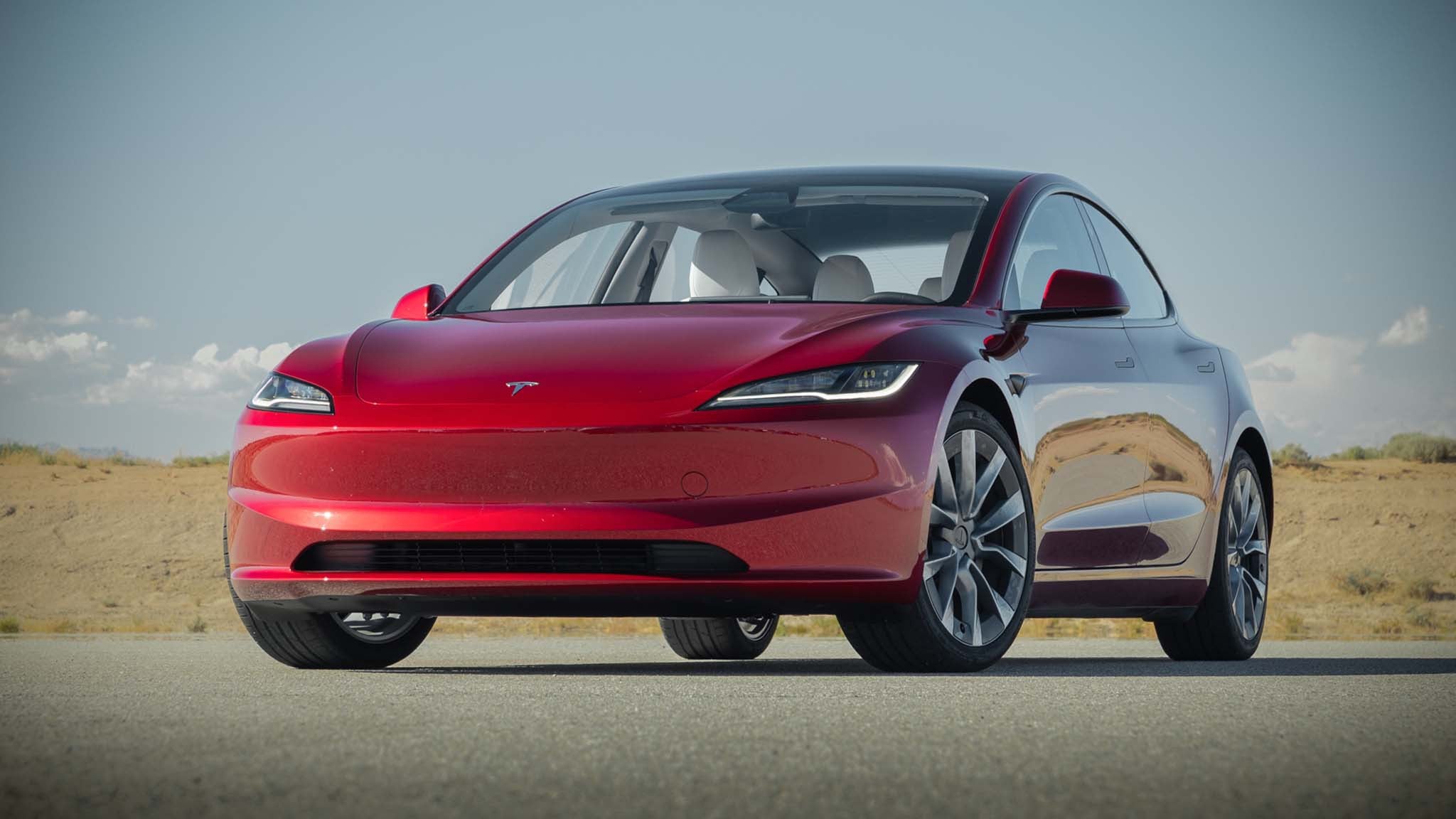
Red upgraded tesla model y driving on the road.


Global EV Rankings: BEVs and PHEVs Side by Side

Below is the combined table of BEV and PHEV global sales, showing how Tesla leads the all-electric segment while Chinese brands dominate plug-in hybrids.

Global EV Sales (Jan–Sept 2025)

Rank BEV Model BEV Sales PHEV Model PHEV Sales
1 Tesla Model Y 808,173 BYD Song Plus / Seal U 262,445
2 Tesla Model 3 369,756 BYD Qin Plus 192,479
3 Geely Geome Xingyuan 343,514 BYD Song Pro 175,263
4 BYD Seagull / Dolphin Surf 292,579 BYD Seal 6 167,577
5 Wuling Mini 287,082 Li Auto L6 135,068
6 Xiaomi SU7 219,810 BYD Qin L 132,794
7 BYD Yuan Plus / Atto 3 184,300 BYD Destroyer 05 / Seal 05 120,790
8 BYD Yuan Up / Atto 2 174,137 BYD Song L 110,129
9 BYD Dolphin 162,744 Aito M8 104,327
10 Xpeng M03 131,812 Galaxy Starship 7 99,817

China’s Growing Strength Across All Segments

The data underscores a dramatic shift: eight of the world’s top ten BEVs are now Chinese, a milestone that signals rising pressure on Western manufacturers. Even though Tesla still leads in pure electric sales, its competitors are gaining ground quickly, particularly in the affordable compact EV category.

China’s dominance is even more pronounced in plug-in hybrids. All top ten PHEV models sold globally in 2025 so far are Chinese, led by BYD’s expanding lineup of crossovers and sedans. The BYD Song Plus (also known as Seal U) took the top spot with over 262,000 units sold.

These results position BYD as the overall global EV leader when combining BEV, PHEV, and extended-range models, securing 19.3% market share. Tesla, with only BEVs in its portfolio, sits at 8%, followed by Geely, Wuling, and Volkswagen.

Xiaomi SU7 2025 | EVDANCE


Model Y’s Exceptional Momentum

The Tesla Model Y remains unmatched, selling more than 808,000 units through September. A staggering 145,000 units in September alone suggest that the final weeks of eligibility for the U.S. federal tax credit significantly boosted demand.

The Model 3 continues to perform well globally, though its second-place position is under pressure. The Geely Geome Xingyuan, priced at the highly competitive $9,260 starting point, has rapidly become a top contender in China. Similarly, BYD’s Seagull and Xiaomi’s SU7 are expanding China’s influence on the global leaderboard.


A Shifting Competitive Landscape

While Tesla’s flagship models maintain their global lead, the momentum of Chinese automakers is accelerating. New products like the Xiaomi SU7 and Geely’s refreshed Geome highlight the speed at which China’s EV ecosystem evolves.

Without a new high-volume model or a major breakthrough in Full Self-Driving technology, Tesla’s position at the top may erode. With U.S. incentives reduced and regulatory conditions shifting, the competitive pressure on all Western manufacturers is set to intensify.

Recommend Reading: Tesla Launches Direct Rental Program to Boost EV Sales
FAQs - Best-Selling EVs in the U.S. (2025)

Which electric vehicles are the top-selling models in the U.S. market in 2025?

The most popular EVs in 2025 include the Tesla Model Y, Model 3, Ford Mustang Mach-E, Chevrolet Bolt EV, Hyundai Ioniq 5, and Kia EV6. These models dominate U.S. sales charts thanks to their combination of range, pricing, and availability.

What is the range and price of the Tesla Model Y?

The Tesla Model Y offers an EPA range between 318–330 miles (Long Range AWD) at a starting price around $46,000. The Performance version provides dual motor acceleration while maintaining a strong range, typically above 300 miles depending on driving conditions.

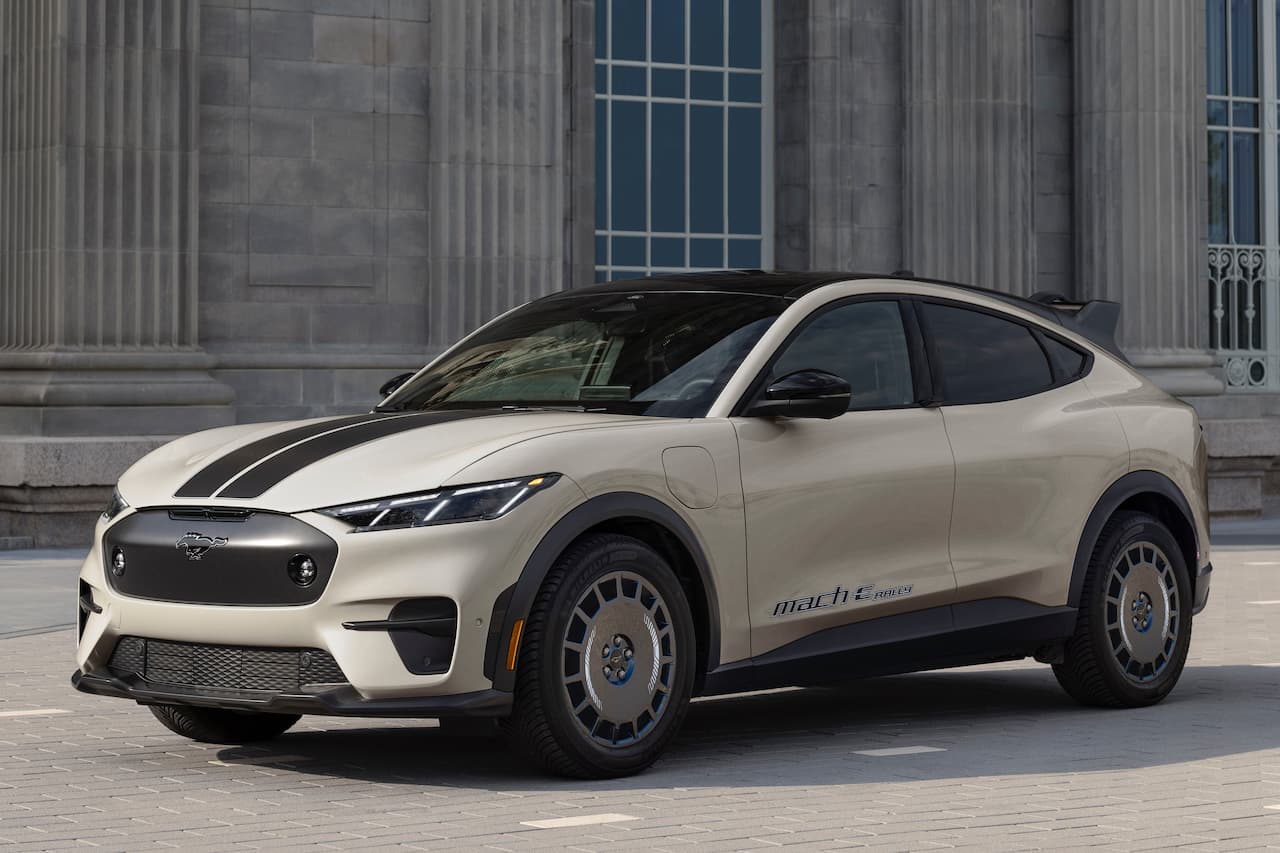
How much does the Ford Mustang Mach-E cost and how far can it go?

The Mustang Mach-E starts near $40,000–$45,000 for the standard range RWD version, with EPA-estimated range of 230–270 miles. The extended-range AWD and GT Performance variants offer improved range (up to 320 miles) and acceleration, justifying their higher price.

Is the Chevrolet Bolt EV still a good choice in 2025?

Yes. Priced under $30,000 after federal incentives, the Bolt EV offers a solid EPA range of ~260 miles, making it a budget-friendly, reliable compact EV ideal for urban and suburban commuters.

What makes the Hyundai Ioniq 5 stand out among EVs?

The Ioniq 5 is praised for its ultra-fast charging (800V architecture, 10-80% in ~18 minutes), spacious interior, stylish design, and EPA range of 220–303 miles depending on battery and drive combination. Pricing starts around $44,000 after incentives.

How does the Kia EV6 compare with the Ioniq 5?

The Kia EV6 shares many components with the Ioniq 5 but emphasizes a sportier look and driving experience. Range varies between 240–325 miles depending on trim, with pricing similar—typically in the $44,000–$55,000 range after incentives.

Which EV among the top models offers the best value for long-distance travel?

The Tesla Model Y Long Range offers the best all-around value for long trips due to its extensive Supercharger network, ~330 miles range, and advanced driving assistance. Hyundai Ioniq 5 and Kia EV6 also offer excellent efficiency with fast charging, making them strong alternatives.

How do these EVs compare in terms of charging compatibility and charging time?

Most models—Tesla (NACS), Mach-E / Bolt EV / Ioniq 5 / EV6 (CCS1)—are brightening compatibility. The Ioniq 5 and EV6 stand out with 800V fast charging up to 233 kW, allowing 10–80% in about 18 minutes. Mach-E and Bolt EV charge at slower rates (~150 kW). Tesla offers up to 250 kW via NACS Superchargers.

What is the total cost of ownership (TCO) like for these top-selling EVs?

Although prices vary, EVs like the Bolt EV and Ioniq 5 have some of the lowest TCO due to lower maintenance and energy costs. While Model Y and Mach-E have higher upfront costs, resale value and long-term savings on fuel can offset the initial expense over 5–10 years.

How do federal and state incentives impact the MSRP of these EVs?

Federal tax credit of up to $7,500 can significantly reduce the up-front purchase price. Additionally, many states offer rebates, HOV lane access, and utility discounts. For example, a Trim-level Mach-E or Model Y effectively costs $40–45k after combined incentives, increasing affordability.

EV News

View all

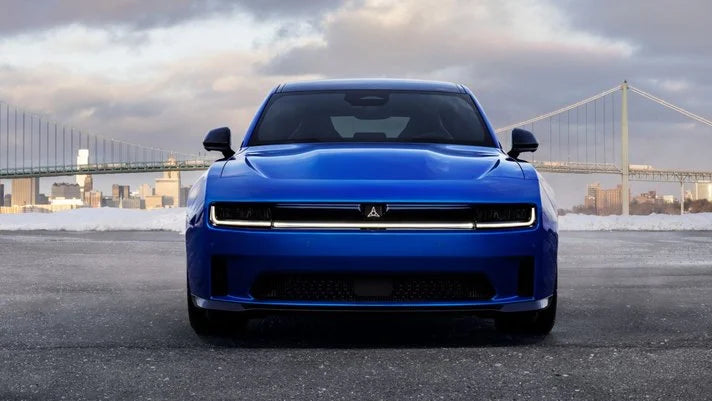
2027 Dodge Charger EV Adds Tesla NACS Port and Slight Price Cut

2027 Dodge Charger EV Adds Tesla NACS Port and Slight Price Cut

The 2027 Dodge Charger Daytona Scat Pack EV adds a factory-installed Tesla NACS charging port, enabling Supercharger access, slightly lowers its price, and keeps its 630-hp dual-motor setup unchanged.

Read more

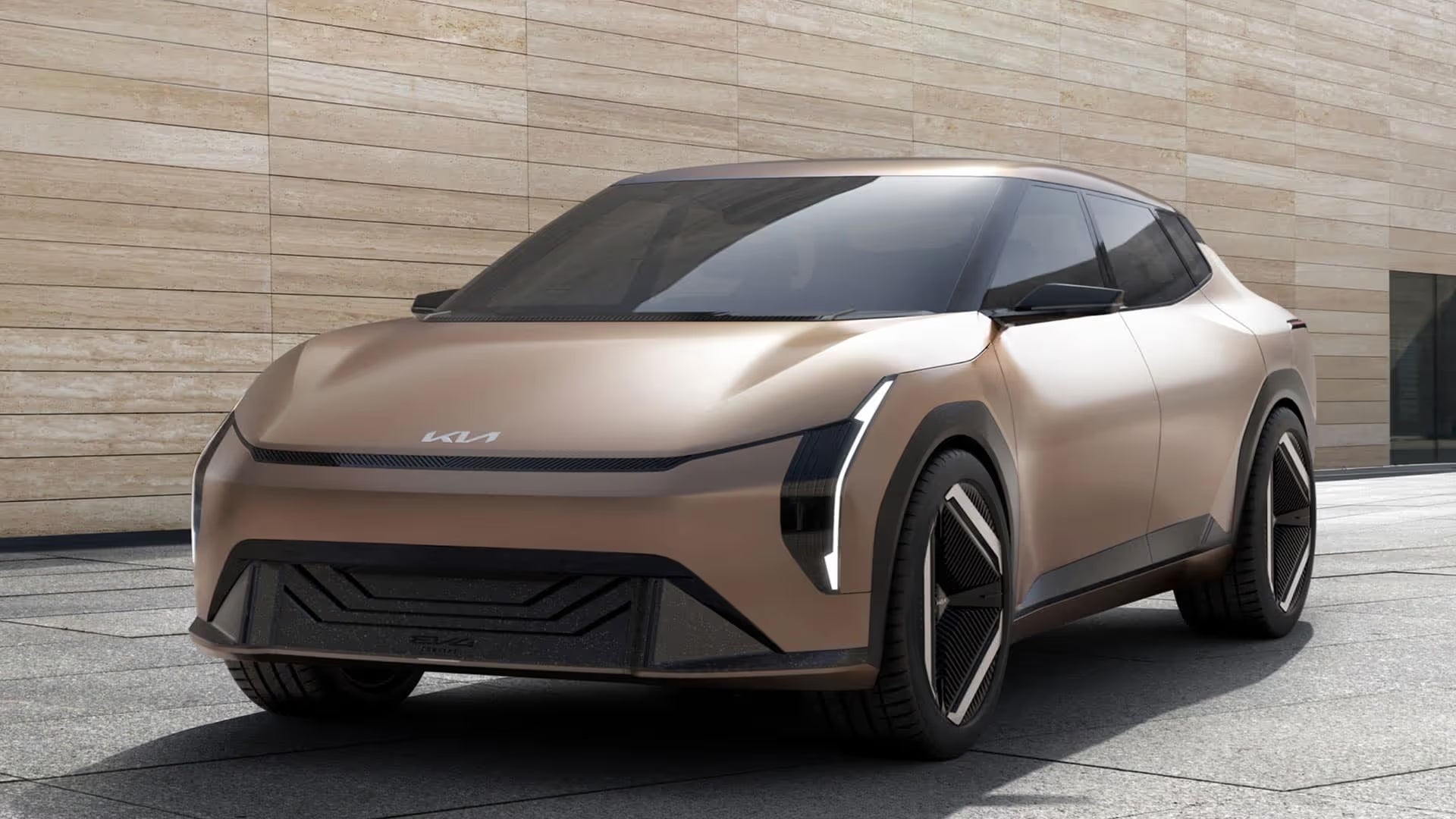
2026 Kia EV4 Focuses on Comfort and Efficiency Over Performance

2026 Kia EV4 Focuses on Comfort and Efficiency Over Performance

The 2026 Kia EV4 shifts focus toward comfort and efficiency with front-wheel drive, slower charging, and a softer ride, delivering a calm daily EV experience while sacrificing performance and premium feel compared to rivals.

Read more

U.S. EV Sales Expected to Level Off in 2025 After Years of Growth

U.S. EV Sales Expected to Level Off in 2025 After Years of Growth

Cox Automotive forecasts a slight decline in U.S. EV sales for 2025 after years of rapid growth, citing post-incentive demand weakness, Q4 sales drops, and ongoing market adjustments by automakers and consumers.

Read more