



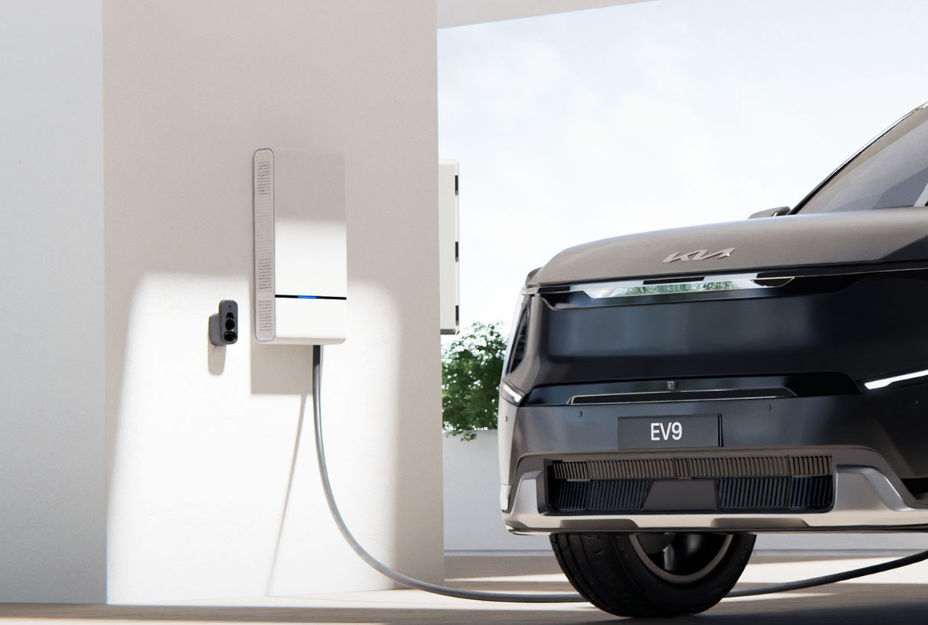
EV Battery Degradation Myths Are Fading
Just a few years ago, EV skeptics filled forums with warnings that electric car batteries would fail like aging smartphones. But new data suggests those fears were exaggerated. Thanks to major improvements in battery chemistry, thermal management, and charging systems, modern EVs are holding up far better than many expected.
A new study by Swedish used-car marketplace Kvdbil analyzed 1,366 electric vehicles and plug-in hybrids to see how their batteries have aged in real-world use. The findings point to a clear trend: EV batteries degrade more slowly than expected, and one brand stands out from the rest.

Kia Leads in Long-Term Battery Health
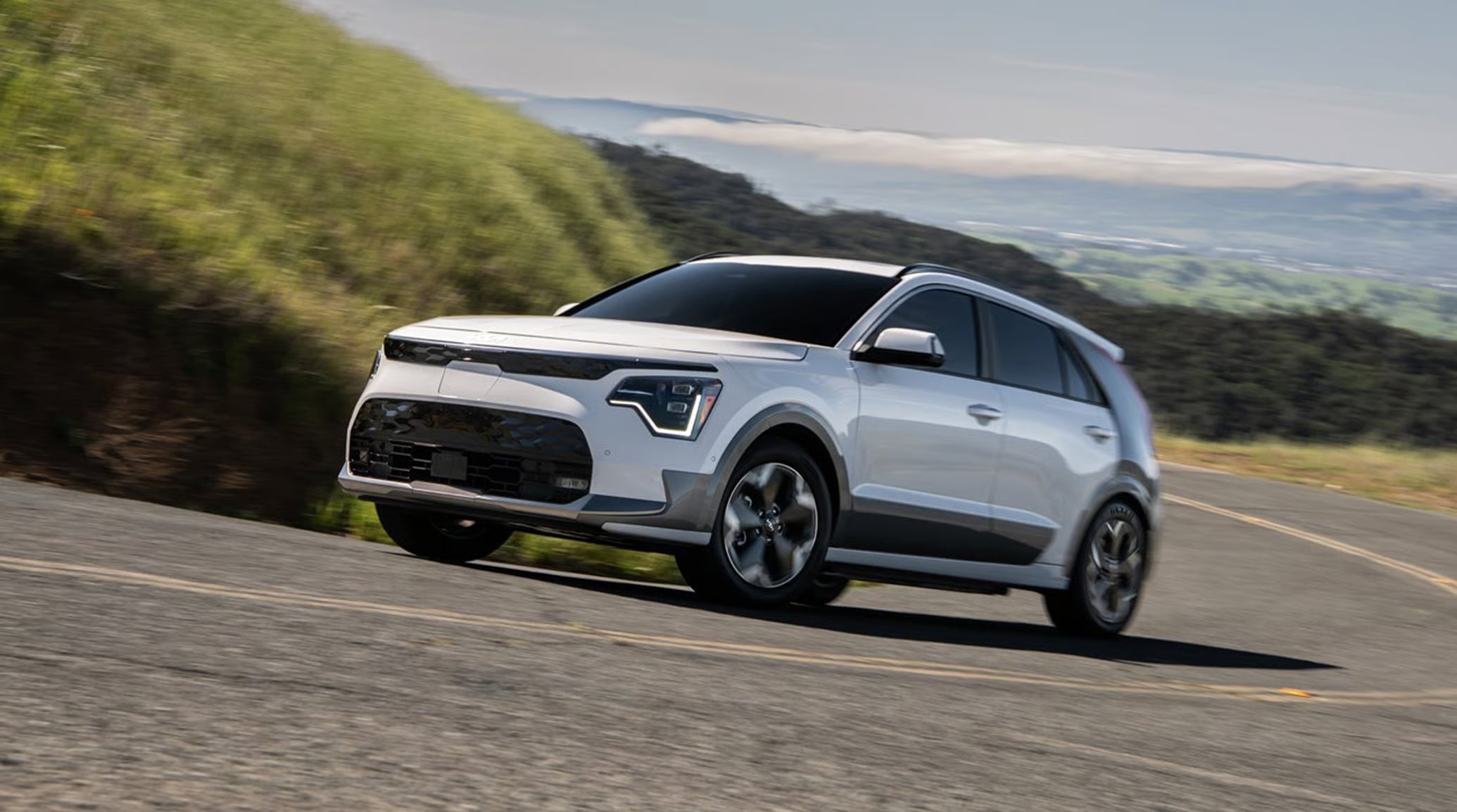
According to Kvdbil’s data, Kia’s EV6 showed the lowest battery degradation of any model in the study. Its sibling, the Kia e-Niro, ranked second, followed by models from Tesla, Audi, and Opel. Across the board, eight out of ten vehicles retained at least 90% of their original capacity, even after years of use and tens of thousands of miles.
Kvdbil used the State of Health (SoH) metric, which measures how much battery capacity remains compared to new. A car with 90% SoH has lost only 10% of its usable range.
“We were surprised by how well so many vehicles performed,” said Martin Reinholdsson, Kvdbil’s test manager, in an interview with the Sweden Herald. “Battery wear depends less on brand and more on how the car is used — factors like age, climate, charging habits, and driving style have a major impact.”
Top 10 EVs and PHEVs With the Healthiest Batteries
| Top Brands (SoH) | Best EV Models (SoH) | Best PHEVs (SoH) |
|---|---|---|
| 1. Kia | Kia EV6 | Kia Sportage |
| 2. Audi | Kia e-Niro | Kia Optima |
| 3. Opel | Tesla Model Y | Volvo XC60 |
| 4. Tesla | Opel Mokka-e | Kia Ceed |
| 5. Mercedes | Mazda MX-30 | Volvo V60 |
| 6. Peugeot | Audi Q4 e-tron | Peugeot 3008 |
| 7. Volvo | Fiat 500e | BMW 530e |
| 8. BMW | Volvo XC40 Recharge | VW Passat GTE |
| 9. Volkswagen | Citroën e-C4 | BMW X1 |
| 10. Skoda | VW ID.4 | BMW 330e |
Why Battery Longevity Is Improving
The study found that the average SoH loss was just 10%, a figure that matches previous research from British EV dealer RSEV. That study found EVs typically retain 90% capacity after 90,000 miles, and even cars with over 130,000 miles still hold around 85% of their original charge.
This means modern EVs can realistically exceed 200,000 miles while maintaining usable range — rivaling or even surpassing some gasoline cars in long-term durability.
How Drivers Can Extend Battery Life
Reinholdsson and other experts recommend a few simple steps for maximizing battery longevity:
-
Avoid charging above 80% regularly (especially for non-LFP batteries).
-
Limit frequent DC fast charging when possible.
-
Keep the car out of extreme heat or cold for long periods.
-
Don’t leave the battery at 100% charge for days at a time.
Following these practices can significantly reduce wear and keep EV performance consistent for years.

The Real Challenge: Perception
While the data proves that EV batteries are far more durable than once feared, automakers still face a messaging problem. Many consumers remain skeptical, assuming battery packs will degrade quickly or cost too much to replace.
But the reality is different: replacement costs are falling, and battery recycling infrastructure is expanding. As studies like Kvdbil’s become more common, public perception may finally catch up with the technology.
EVs aren’t just efficient — they’re built to last.
Recommend Reading: Will Charging Every Day Damage My EV Battery? Habits Explained
Share:
Tesla Claims Autopilot Keeps Improving — But the Data Shows More Crashes
Nissan Targets 2028 Launch for Solid-State Batteries That Could Double EV Range