





A Quiet Lineup Update With Strategic Implications
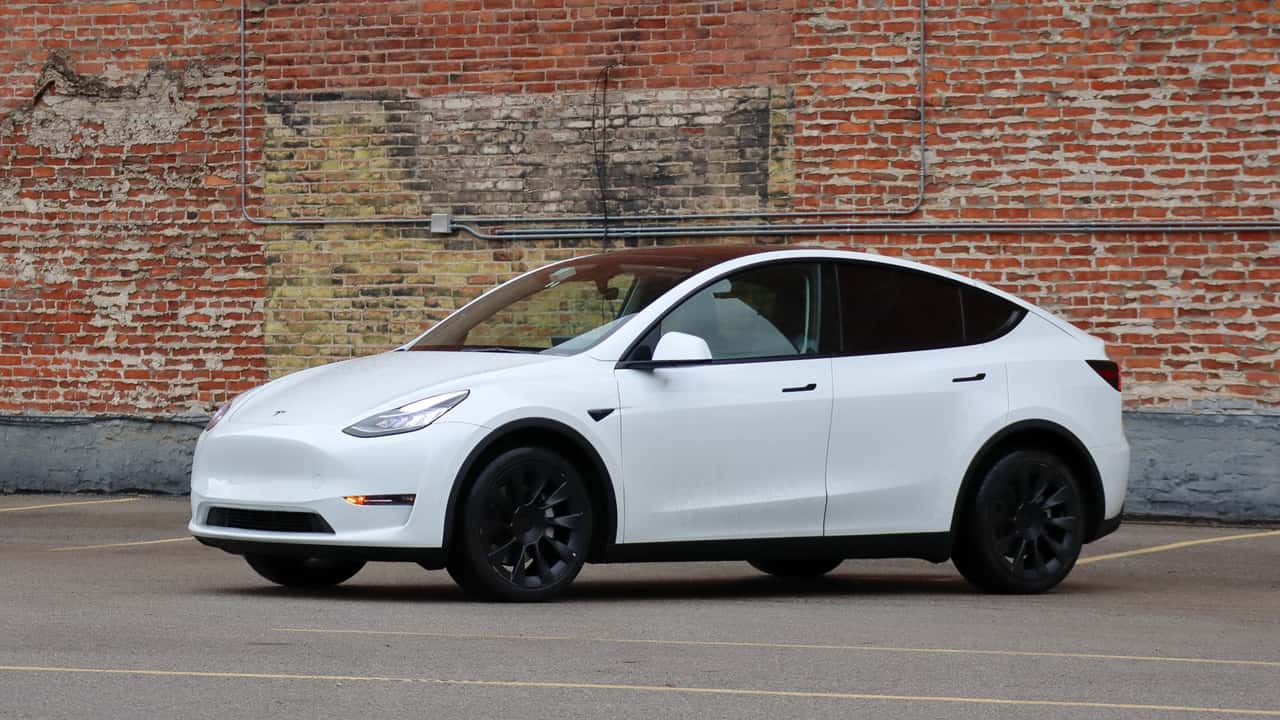
Tesla has once again adjusted its U.S. lineup without fanfare. The automaker has added a new lower-priced all-wheel drive version of the Model Y, expanding buyer choice while subtly reshaping how its vehicles are named and positioned.
The newly introduced Model Y All-Wheel Drive starts at $43,630 and carries an EPA-estimated range of 294 miles, making it the shortest-range Model Y currently on sale. It sits between the rear-wheel drive base model and the higher-priced Premium trims, offering buyers AWD capability without the cost of Tesla’s fully loaded versions.
While the update may look minor on the surface, it reflects broader shifts in Tesla’s pricing strategy, naming conventions, and efforts to defend sales volume in an increasingly competitive EV market.

Where the New Model Y AWD Fits in Tesla’s Pricing
From a pricing standpoint, the new Model Y AWD fills a noticeable gap. It is $2,000 more expensive than the base rear-wheel drive model, which offers 321 miles of range, but $3,000 cheaper than the Model Y Premium RWD. Compared with the Premium AWD version, the savings grow to $7,000.
This positioning gives buyers a more accessible entry point into Tesla’s AWD lineup, particularly for customers in colder climates where traction and winter performance matter more than maximum range.
However, the trade-off is clear: range takes a hit, and the vehicle lacks many comfort and convenience features found in higher trims.
Tesla Drops the “Standard” Name
One of the more subtle changes is what Tesla did not include. The new Model Y AWD does not carry a “Standard” badge. That is because Tesla has quietly eliminated the “Standard” designation altogether for its most affordable Model 3 and Model Y variants.
From now on, Tesla’s entry-level models are simply labeled “Rear-Wheel Drive”, while better-equipped versions retain the “Premium” and “Performance” names. This shift simplifies the lineup on paper but also distances lower-cost trims from any perception of being stripped-down or inferior.
Notably, the rideshare-focused Model 3 remains rear-wheel drive only, signaling that Tesla is selectively expanding AWD availability rather than making it universal.
Performance Gains Without Feature Upgrades
Thanks to its dual-motor setup, the new Model Y AWD accelerates from 0 to 60 mph in 4.6 seconds, a significant improvement over the rear-wheel drive version despite being roughly 200 pounds heavier. Cargo space is listed at 74.8 cubic feet, slightly exceeding the RWD model.
Beyond performance and drivetrain, however, very little changes. The base AWD Model Y still lacks several features that have become common in the segment, including FM radio, a rear-seat touchscreen, heated rear seats, adaptive high beams, and a panoramic glass roof with clear visibility.
This reinforces Tesla’s long-standing approach: performance and software take priority, while traditional comfort features are reserved for higher trims.
A Defensive Move in a Tougher Market
Tesla remains the largest EV seller in the United States, but its dominance is no longer unquestioned. U.S. sales declined by 7% last year, while European deliveries fell 27%, allowing Volkswagen to overtake Tesla in that market.
Rather than launching entirely new mass-market vehicles, Tesla has increasingly relied on pricing adjustments, trim reshuffles, and incremental lineup changes to sustain demand. At the same time, the company’s public focus has shifted toward AI, robotics, and autonomous driving initiatives.
In that context, adding a cheaper AWD Model Y appears to be a tactical response to slowing growth, not a signal of renewed product innovation.

Incremental Changes, Uncertain Impact
The new Model Y AWD gives Tesla more flexibility in one of its most important segments. It may attract buyers who want all-wheel drive without paying for premium features, but it does little to redefine the Model Y or address growing competition from newer rivals.
Whether this adjustment can meaningfully boost sales remains uncertain. What is clear is that Tesla is leaning harder on pricing strategy rather than product breakthroughs as it navigates a more crowded and price-sensitive EV landscape.
Recommend Reading: Analysts Predict Tesla Sales Surge by 2029


Share:
Scout’s South Carolina EV Plant Faces Major Cost Overruns
GM Pushes Local Battery Supply Chains to Cut EV Costs