





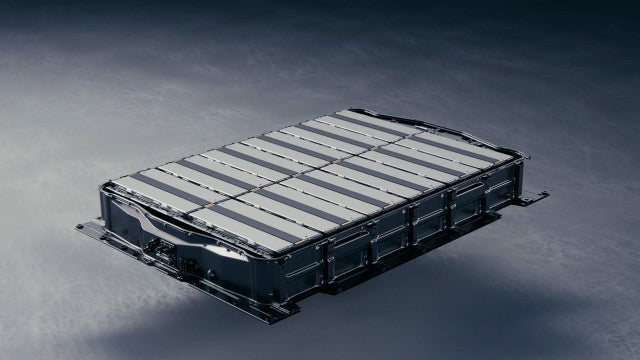
A Shift Toward Full North American Battery Control
General Motors is accelerating its effort to localize electric vehicle battery production, signaling a strategic shift away from China-dominated supply chains. While GM already operates two U.S.-based battery plants with LG Energy Solution, the automaker is now working to anchor nearly every critical battery material within North America.
The goal is straightforward: lower costs, reduce geopolitical exposure, and gain tighter control over EV pricing. Chinese automakers have long benefited from vertically integrated battery ecosystems, allowing them to price EVs aggressively. GM is attempting to replicate that advantage—within a U.S. and allied supply framework.
According to GM executives, this transition will fundamentally reshape how and where its EV batteries are made by the end of the decade.

Why Battery Localization Matters for EV Pricing
Battery packs remain the single most expensive component of an electric vehicle, and within those packs, battery cells—and especially cathode materials—drive the bulk of the cost. Automakers that control sourcing and processing gain leverage over pricing, scale, and margins.
GM Battery Engineer and Business Planning Manager Andy Oury explained this approach during a recent industry discussion, noting that future battery independence will look dramatically different from today’s setup. The strategy is not limited to final assembly but extends upstream into raw materials, processing, and component manufacturing.
This approach also aligns with the Inflation Reduction Act, which ties EV tax incentives to strict sourcing requirements across the battery supply chain.
Moving Beyond Traditional NMC Batteries
GM currently uses nickel manganese cobalt aluminum (NMCA) pouch cells across much of its EV lineup, from the Chevy Equinox EV to the GMC Hummer EV. While effective, this chemistry relies heavily on nickel and cobalt, two materials with volatile pricing and limited domestic supply.
To address this, GM is preparing to introduce lithium manganese-rich (LMR) battery chemistry. By significantly increasing manganese content and reducing nickel and cobalt, GM aims to deliver cost levels comparable to lithium iron phosphate (LFP) batteries while maintaining range closer to traditional NMC cells.
The company plans to deploy LMR batteries in larger vehicles later this decade, targeting both affordability and long-range performance.
Securing Manganese, Nickel, and Graphite Locally
To support its LMR strategy, GM has signed a long-term agreement with Element 25, sourcing manganese processed at a new facility in Louisiana. While the raw material originates in Australia, domestic processing allows GM to meet localization requirements and reduce supply risk. The agreement is sized to support up to one million EVs annually.
Nickel will be supplied by Vale, sourced from Canadian operations starting in 2026. Although Vale paused plans for a new Quebec facility amid softer EV demand, it has confirmed production timelines using existing infrastructure.
GM is also localizing the anode supply chain. A multibillion-dollar deal with Vianode will provide synthetic graphite from Ontario beginning in 2027, replacing reliance on Asian graphite processing.
Lithium Anchors the Strategy
Lithium remains central to GM’s battery roadmap. The automaker has invested $625 million in Lithium Americas’ Thacker Pass mine in Nevada, securing a 38% stake. The project is designed to supply battery-grade lithium carbonate domestically, reinforcing GM’s upstream control over one of the most critical EV materials.
This investment gives GM both supply security and long-term pricing visibility as lithium demand continues to fluctuate globally.

What This Means for Future GM EVs
GM has already begun deploying low-cost LFP batteries in vehicles like the Chevy Bolt and plans similar configurations for select Silverado EV trims. Starting in 2028, prismatic LMR cells are expected to power full-size electric trucks with over 400 miles of range at reduced cost.
Rather than pushing EV adoption through mandates or incentives alone, GM’s strategy focuses on making EVs competitive on price and performance by design.
As Oury summarized, the objective is not to force consumers into electric vehicles, but to build EVs that stand on their own economic merits.
Recommend Reading: EV Battery Health After 150,000 Miles: What Real-World Data Shows


Share:
Tesla Introduces a Lower-Priced Model Y AWD Without a “Standard” Label
Extreme Cold Puts Tesla Model 3 Winter Charging Limits to the Test
1 comment
Great analysis of EV supply chains! I appreciate the depth and clarity you bring to how local sourcing impacts cost and sustainability.