



A New Electric Direction for the Corolla
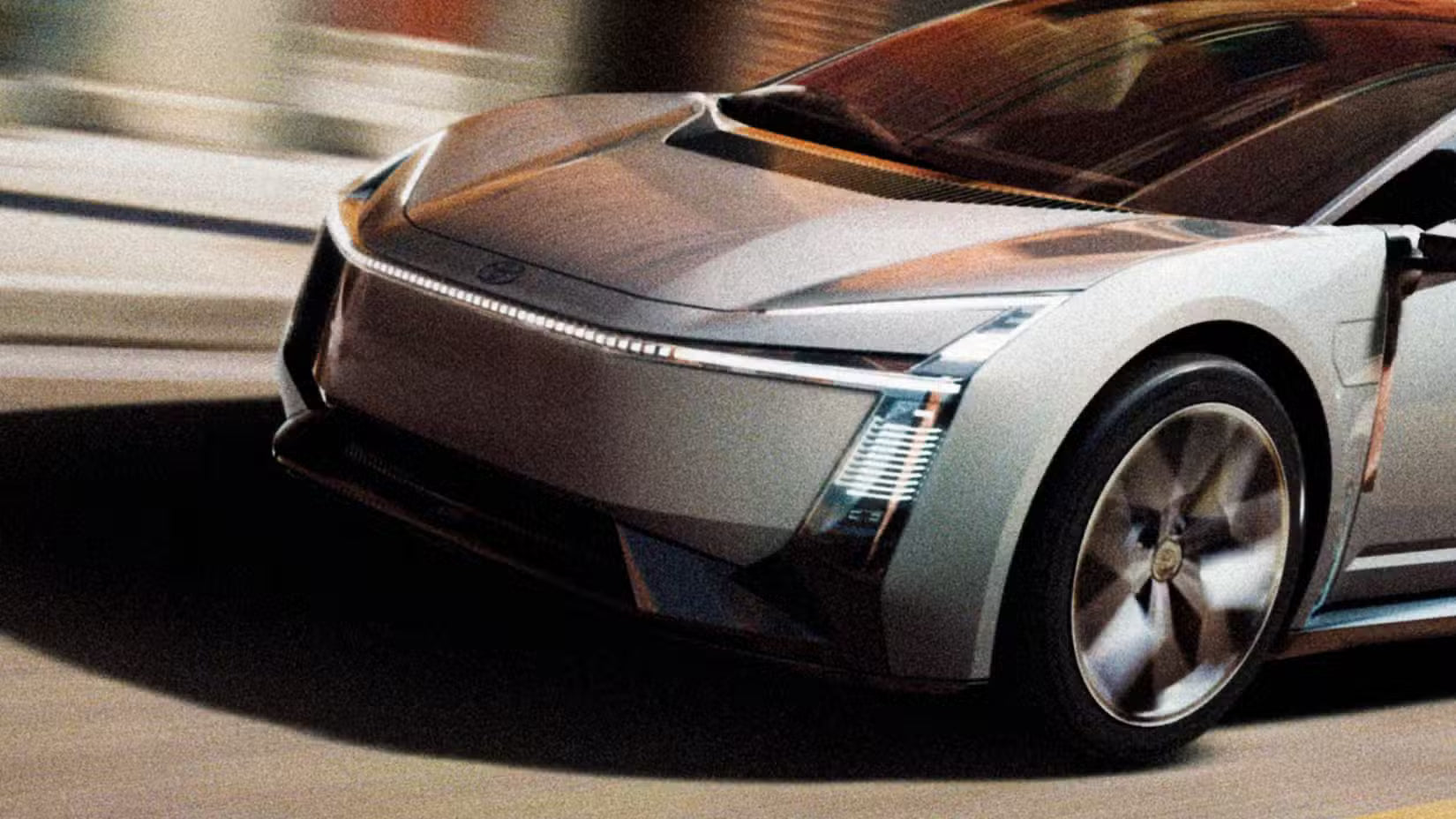
Toyota is giving its legendary Corolla a futuristic twist. At the upcoming Japan Mobility Show, the automaker will unveil a fully electric concept that reimagines the world’s best-selling car. While it carries the Corolla badge, this sleek new sedan looks like something straight out of the future—angular, aerodynamic, and entirely unlike the gasoline model most drivers know.
With a closed front grille, full-width LED light bar, and a streamlined body, the design clearly emphasizes electric efficiency. The front fascia slopes forward sharply, hinting at advanced aerodynamics, while subtle vents at the lower bumper and windshield help channel airflow for better performance and range.

Design and Aerodynamics
Had it not been for the “Corolla” lettering on the trunk, few would guess this futuristic vehicle’s identity. Its proportions are very different from the traditional sedan’s—a shorter hood, longer cabin space, and EV-style silhouette signal that it’s built around a dedicated electric platform.
This layout not only improves efficiency but also maximizes interior space, providing a larger, airier cabin. The additional vent near the windshield appears to be connected to the lower intake, likely directing air smoothly across the body—an innovation similar to the Polestar’s front blade design or the Dodge Charger EV’s aerodynamic channels.
Realistic Details Hint at Production Plans
Despite being labeled a “concept,” Toyota’s EV Corolla looks surprisingly production-ready. The model features standard side mirrors, practical door handles, and a charging port on the front left fender, suggesting functionality beyond mere show car aesthetics.
The light clusters are modern but realistic, and the greenhouse appears large enough for real-world use—not a cramped, stylized concept. These clues indicate that Toyota may be preparing a near-production prototype, rather than a distant design study.
How It Fits into Toyota’s EV Strategy
Toyota already offers an electric sedan in China—the bZ3, co-developed with BYD—but it’s a market-specific product. This new electric Corolla, by contrast, could be Toyota’s first global compact EV sedan, positioned to compete directly with the Tesla Model 3 and Polestar 2.
The shorter front section and extended wheelbase strongly suggest the use of a dedicated EV platform, allowing for better weight distribution and a roomier interior. Such a model would fill an important gap in Toyota’s growing electric lineup, appealing to drivers who value affordability and reliability in a compact electric form.

What to Expect Next
Toyota has not released performance specifications, range estimates, or pricing details yet. However, given the timing of the reveal on October 29 at the Japan Mobility Show, more information is likely just around the corner.
If this electric Corolla concept reflects Toyota’s next step in electrification, it signals a major evolution for the brand’s most recognizable nameplate. The Corolla has long represented practicality and dependability—soon, it might also stand for zero-emission innovation.
Recommend Reading: The Hyundai Concept Three Previews the Future Ioniq 3 EV

Share:
Best EV Lease Deals and Financing Offers in October 2025
Zeekr 001 Update: The Chinese EV That Charges from 10% to 80% in 7 Minutes