





A Turning Point in the Premium EV Segment
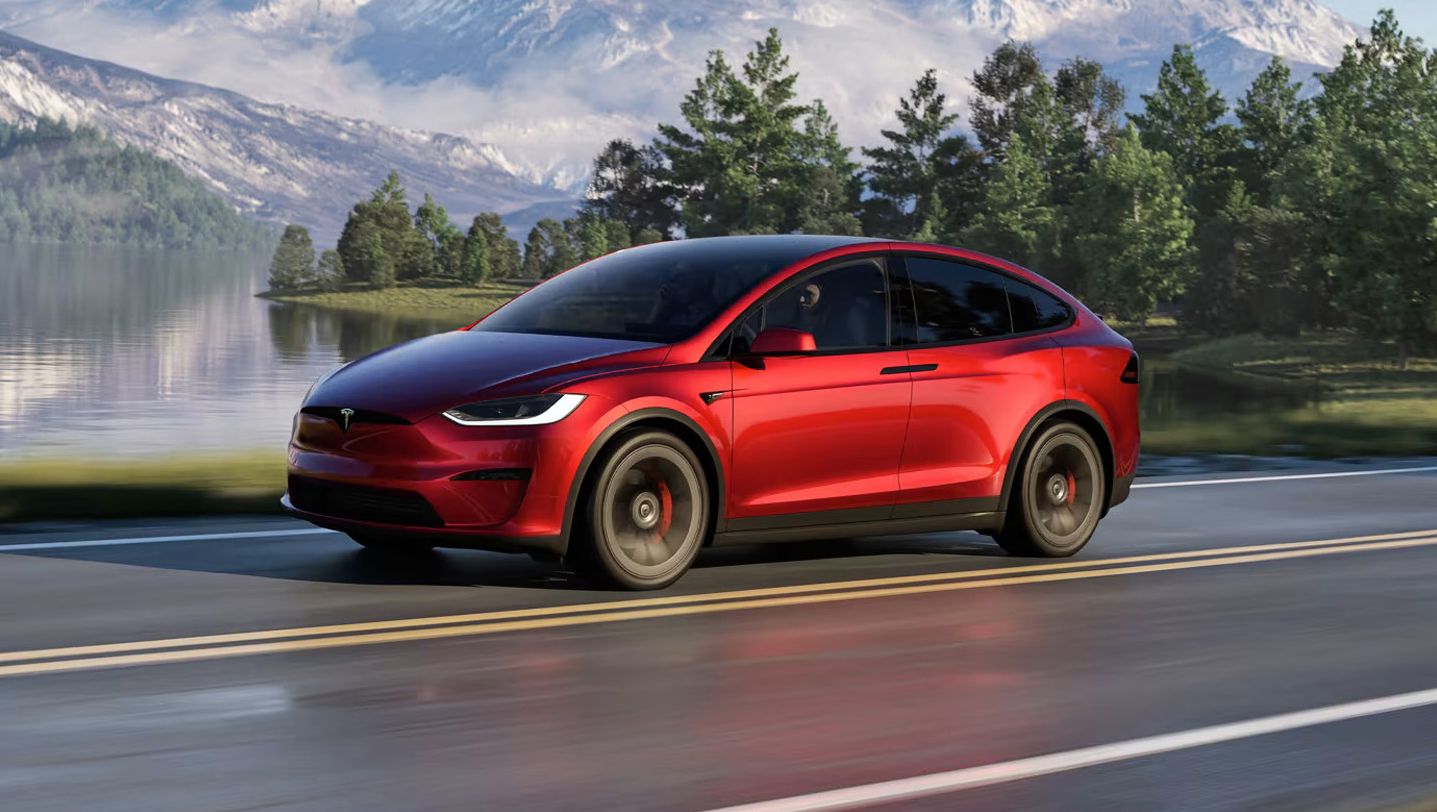
Tesla’s decision to discontinue the Model S and Model X has reshaped expectations in the high-end electric vehicle market. Once seen as defining products of modern EV adoption, their exit signals a strategic pivot by Tesla toward emerging technologies such as robotics.
For competitors, however, the shift creates a rare opening. Among them, Lucid has positioned itself to capture attention from drivers who previously favored Tesla’s flagship models.

A Large Pool of Potential Customers
According to data referenced by Lucid during its recent investor event, there are approximately 350,000 owners of Model S and Model X in the United States as of early 2026. These customers represent a valuable segment that will eventually re-enter the market when upgrading their vehicles.
Lucid’s strategy is straightforward: attract these existing EV users by offering alternatives that emphasize performance, luxury, and technological refinement. However, the company is not alone in pursuing this opportunity.
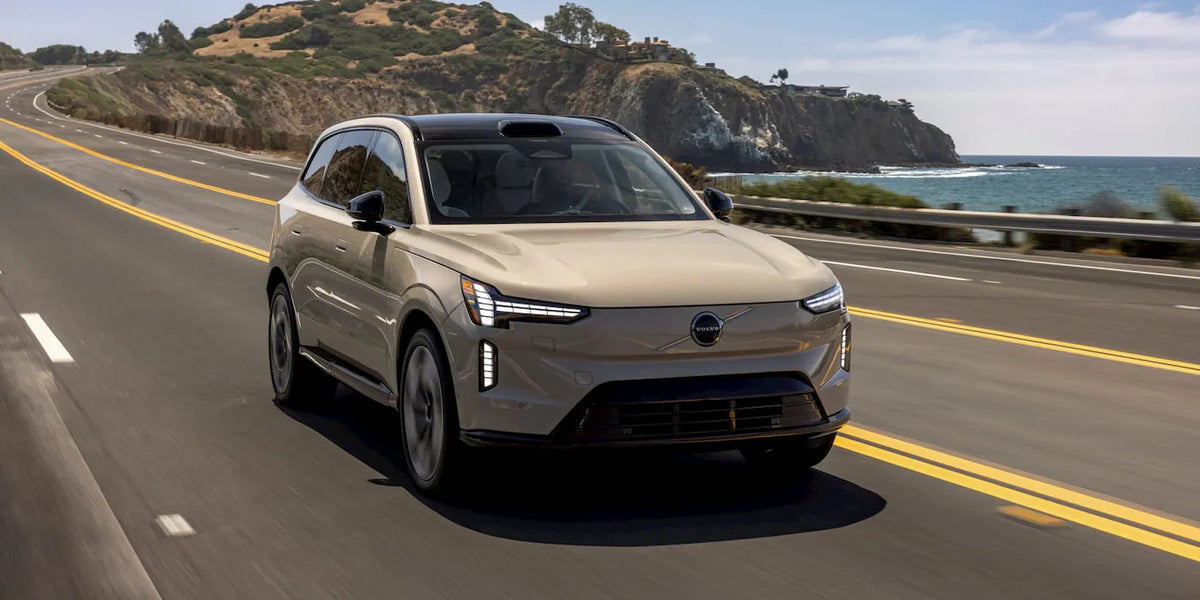
Established brands such as Cadillac, BMW, Mercedes-Benz, Volvo, and Rivian are also rolling out newer electric models, many of which address earlier concerns around software reliability, driving range, and charging efficiency.
Competitive Landscape Is Intensifying
The luxury EV category has become increasingly crowded. Automakers are improving both hardware and software at a rapid pace, narrowing the gap that once allowed Tesla to dominate.
Lucid faces pressure not only from traditional manufacturers but also from newer entrants. Each competitor is targeting the same group of customers—drivers who expect long range, fast charging, and premium interiors as standard features.
While Tesla’s withdrawal from this specific segment reduces direct competition, it does not simplify the overall market dynamics.
Lucid’s Current Product Strategy
Lucid currently offers two primary models aimed at the premium category: the Air sedan and the Gravity SUV. Both vehicles are positioned as direct alternatives to Tesla’s outgoing flagships.
Production targets for the year stand between 25,000 and 27,000 units, indicating moderate growth ambitions rather than large-scale expansion. Broader volume is expected only after the introduction of smaller and more affordable crossovers, internally referred to as future models like Cosmos and Earth.
Until then, Lucid remains focused on establishing itself within the luxury tier rather than competing across the entire market spectrum.
Performance and Feature Comparisons
Lucid argues that its vehicles hold measurable advantages over Tesla’s previous offerings. These include longer driving ranges, faster charging capabilities, and interiors designed with a stronger emphasis on comfort and materials.
Industry data suggests that Lucid models were among the most common choices for customers trading in Model S and Model X vehicles last year. This indicates a degree of alignment between Lucid’s positioning and the expectations of former Tesla buyers.
Independent evaluations have also highlighted the driving experience of Lucid vehicles, particularly the Gravity SUV, which has received recognition for ride quality and handling characteristics.
Pricing as a Competitive Factor
Pricing plays a significant role in Lucid’s appeal. The Air sedan starts at approximately $71,000, while Tesla’s Model S was priced closer to $95,000 before its discontinuation. Similarly, the Gravity SUV begins around $80,000, compared to roughly $100,000 for the Model X.
These differences create a notable gap in entry cost, potentially making Lucid more accessible to buyers seeking premium EVs without reaching the highest price brackets.
However, Tesla’s vehicles included bundled features such as access to its charging network and advanced driver-assistance capabilities, which added value despite the higher upfront cost.
Sales Performance and Market Reality
Recent sales figures provide a mixed picture. Lucid delivered 10,813 units of the Air sedan last year, surpassing estimated Model S sales of 5,889 units. This suggests that Tesla’s flagship sedan had already been losing momentum before its discontinuation.
On the SUV side, Tesla maintained a stronger position. The Model X recorded 13,066 units sold, while the Gravity reached 1,801 units. This gap is partly attributed to Lucid’s production constraints rather than purely demand differences.
The coming year will be critical in determining whether Lucid can scale production and meet market interest, particularly for the Gravity.

A Market Opportunity With Limits
Despite the opportunity created by Tesla’s shift in focus, it is important to recognize the broader context. Tesla remains the leading EV manufacturer in the United States by a wide margin and continues to operate at a scale that smaller companies have yet to match.
Lucid’s growth prospects depend on its ability to convert interest into sustained sales while expanding production capacity. The departure of the Model S and Model X removes two iconic competitors, but it does not guarantee success.
Still, the transition marks a notable moment in the evolution of the EV market. As Tesla redirects its priorities, companies like Lucid are being presented with a chance to redefine leadership in the premium segment.
Recommend Reading: Uber to Deploy Rivian R2 Robotaxis in Major Cities by 2028
Share:
How to Use Apple Maps to Precondition Mach-E Battery for Fast Charging
How Ionna Built an EV Fast Charging Station in Just Five Days