




Iconic EVs Reach Their Final Chapter
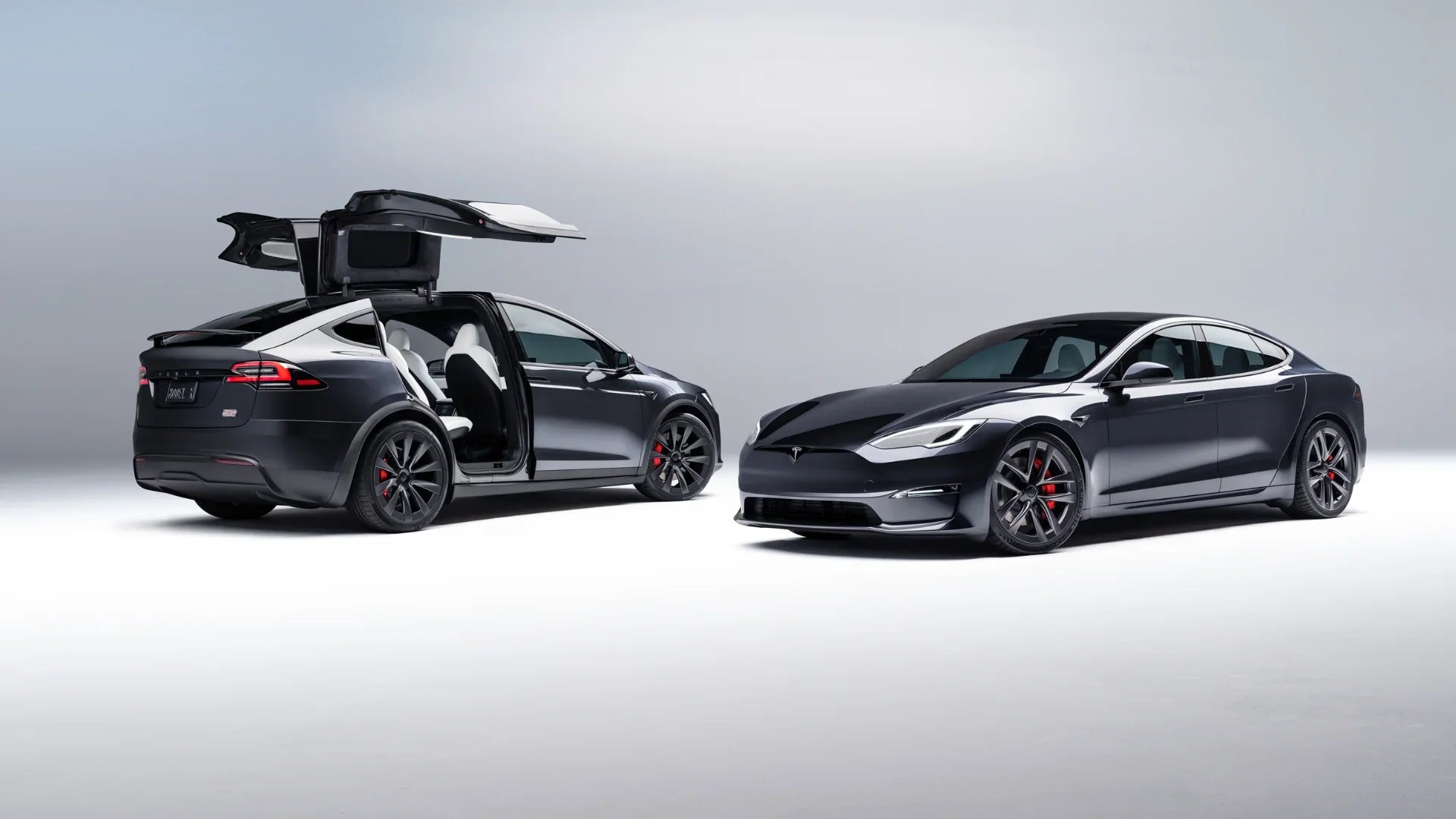
After more than ten years on the market, Tesla has officially halted production of its Model S and Model X vehicles. CEO Elon Musk confirmed via X that both models are no longer available for custom orders, leaving only existing inventory for potential buyers.
In the United States, attempting to place an order redirects users to Tesla’s inventory listings. Currently, there are 15 Model S units and 24 Model X vehicles still available. Each car in stock includes complimentary DC fast charging access through Tesla Superchargers and lifetime Premium Connectivity, offering satellite-view navigation, live weather data, Sentry Mode, and streaming services.

Model S: A Pioneering Electric Sedan
Introduced in 2012, the Model S became a defining vehicle in the EV market. It combined long-range capability, rapid charging, spacious interiors, and high performance, establishing benchmarks for electric sedans. Its design underwent multiple internal updates, though the exterior remained largely consistent with the first cars produced.
For over a decade, the Model S symbolized the rise of Tesla as a leading electric car manufacturer and demonstrated that an EV could compete with traditional luxury sedans on both performance and technology.
Model X: Luxury Meets Utility
The Model X debuted in 2015 as a luxury SUV featuring distinctive Falcon Wing doors. It quickly became popular for its roomy interior, versatile seating, and long-range driving abilities. Sharing the same platform as the Model S, the X was Tesla’s flagship SUV and offered a combination of comfort and advanced technology that set it apart in the early EV market.
Despite initial success, both models eventually saw their market share decline as newer, more affordable Tesla models attracted attention.
The Rise of the Model 3 and Model Y
Tesla’s lineup began shifting in 2017 with the launch of the Model 3, a smaller, more cost-effective sedan that appealed to a broader audience. Its streamlined design and lower starting price drew significant consumer interest, gradually drawing attention away from the larger Model S.
By 2020, the Model Y crossover further overshadowed the older vehicles. With strong sales and growing popularity, the Model Y became the company’s primary revenue driver, while the Model S and Model X sales dwindled.
Declining Sales and Strategic Shift
Over time, Tesla reclassified its luxury vehicles into an “Other Models” category in its financial reporting, reflecting declining relevance compared to the high-volume Model 3 and Model Y. Last year, Tesla delivered 1.6 million Model 3 and Model Y vehicles worldwide, while the combined total for the Other Models—including the Model S, Model X, Cybertruck, and Semi—was only 50,850 units.
During the first-quarter earnings call, Musk emphasized a transition toward autonomy and robotics, stating the Model S and X programs would be concluded with “an honorable discharge” to focus resources on future technology.

A Legacy in EV History
Though no longer central to Tesla’s lineup, the Model S and X leave a lasting legacy. They were among the first modern electric vehicles to achieve mainstream recognition, demonstrating that EVs could offer performance, comfort, and long-distance usability comparable to gasoline-powered cars. Their discontinuation marks the end of an era, but their influence on the electric vehicle industry remains significant.
Recommend Reading: What Tesla Ending Model S and X Means for Lucid Buyers
Aktie:
BYD Targets 1.5 Million Overseas Sales Despite Recent Profit Decline