





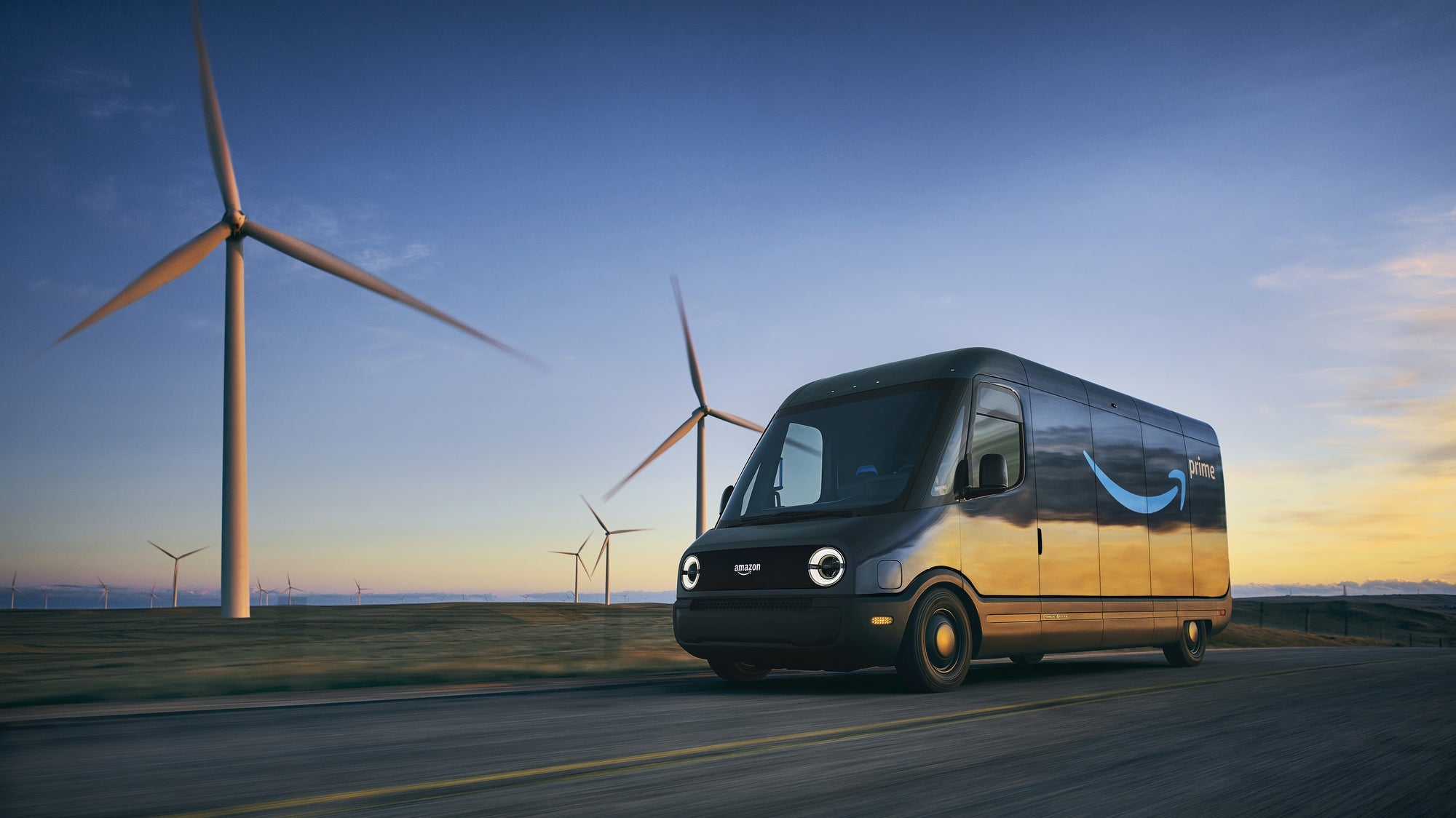
Amazon has surpassed 50,000 electric delivery vehicles worldwide, marking significant progress toward its goal of deploying 100,000 electric delivery vans by 2030. While the milestone highlights rapid electrification across its logistics network, the company still has roughly half of its long-term target left to achieve.
As one of the world's largest delivery operators, Amazon's expanding electric fleet is becoming a major test case for large-scale commercial EV adoption.

Electric Vans Become a Core Part of Amazon Logistics
The growth of Amazon's electric vehicle program reflects a broader shift in how large delivery companies are approaching sustainability and fleet management. Over the past several years, the company has steadily increased the number of battery-powered vehicles handling last-mile deliveries across multiple continents.
Although Amazon has not published a complete breakdown of every EV model currently in operation, a substantial portion of its electric fleet is known to come from Rivian, the U.S.-based electric vehicle manufacturer.
Rivian has supplied more than 30,000 custom-designed delivery vans under a long-term partnership with Amazon. These purpose-built vehicles were developed specifically for package delivery operations and have become a common sight across many American cities and suburbs.
The deployment of thousands of additional electric vehicles from other manufacturers has helped Amazon push its global EV fleet beyond the 50,000-unit threshold.
Europe Plays a Growing Role in Fleet Expansion
While Rivian vehicles dominate Amazon's electric delivery operations in the United States, Europe has become an increasingly important market for the company's electrification strategy.
By the end of 2025, Amazon and its logistics partners had accumulated more than 10,000 electric delivery vans across Europe. A major contributor to that growth came from Mercedes-Benz, which supplied nearly 5,000 additional electric vans during the year.
These vehicles were deployed across several major European markets, including Germany, France, Italy, Austria, and the United Kingdom. Unlike Rivian's U.S.-built vans, Mercedes-Benz assembled these delivery vehicles at manufacturing facilities located in Germany and Spain.
The expansion demonstrates how Amazon is adapting its fleet strategy to regional manufacturing ecosystems while maintaining a consistent focus on reducing transportation emissions.
Charging Infrastructure Continues to Scale
Building electric vehicles is only one part of the transition. Supporting a fleet of tens of thousands of commercial EVs requires extensive charging infrastructure.
To address that challenge, Amazon has invested heavily in charging facilities at delivery stations and logistics centers around the world. The company has installed tens of thousands of charging points globally, creating a network capable of supporting daily fleet operations.
In the United States, Amazon now operates the country's largest private EV charging network, with more than 17,000 charging stalls serving delivery vehicles. These charging systems allow vans to recharge between routes and help reduce dependence on public charging networks.
The development of dedicated charging infrastructure is widely viewed as a critical factor in enabling large-scale fleet electrification.
Beyond Vans: Expanding Electric Transportation Options
Amazon's sustainability efforts extend beyond traditional delivery vans. The company has increasingly diversified the types of electric vehicles used throughout its transportation network.
In Europe, Amazon has introduced more than 100 electric heavy-duty trucks supplied by Mercedes-Benz. The company plans to further increase that number, with expectations of doubling the truck fleet in the near future.
For dense urban environments, Amazon also relies on smaller electric transportation solutions. Cargo bikes, electric scooters, and hand-pushed delivery carts are being used in city centers where larger vehicles may face access restrictions or operational challenges.
These alternative delivery methods are particularly useful in pedestrian zones, low-emission districts, and historic urban areas where space is limited.
According to the company, these micromobility solutions were responsible for delivering more than 30 million packages across Europe during the previous year. More than 70 dedicated urban logistics hubs support those operations.
The Road to 100,000 Electric Delivery Vehicles
Crossing the 50,000-vehicle mark represents a meaningful achievement, but it also highlights the scale of Amazon's remaining challenge.
To meet its public commitment, the company must add roughly another 50,000 electric delivery vehicles by 2030. Achieving that goal will require continued vehicle procurement, charging infrastructure expansion, and operational integration across multiple regions.
Nevertheless, Amazon's progress suggests that large commercial fleets are increasingly capable of transitioning toward electric transportation at scale. As battery technology improves and charging networks continue to grow, the company's logistics model may provide a blueprint for other global delivery operators pursuing similar sustainability objectives.

FAQ
How many electric delivery vehicles does Amazon currently operate?
Amazon has announced that its global fleet now includes more than 50,000 electric delivery vehicles. This figure includes vans operating across North America and Europe.
What is Amazon's long-term electric vehicle goal?
The company aims to deploy 100,000 electric delivery vans by 2030. Reaching the current 50,000-vehicle milestone means it has achieved roughly half of that target.
Does Amazon use Rivian delivery vans?
Yes. Rivian has delivered more than 30,000 custom-built electric delivery vans to Amazon, making it one of the company's largest EV suppliers.
How does Amazon charge such a large EV fleet?
Amazon has built extensive charging infrastructure at its logistics facilities. In the United States alone, it operates more than 17,000 private charging stalls for delivery vehicles.
Does Amazon use electric vehicles other than vans?
Yes. In addition to delivery vans, Amazon uses electric trucks, cargo bikes, scooters, and other micromobility solutions to support deliveries in urban areas and restricted traffic zones.
Recommend Reading: Fast EV Charging Creates New Cost Concerns












Share:
EV Insurance Costs Remain Higher Than Gas Cars