





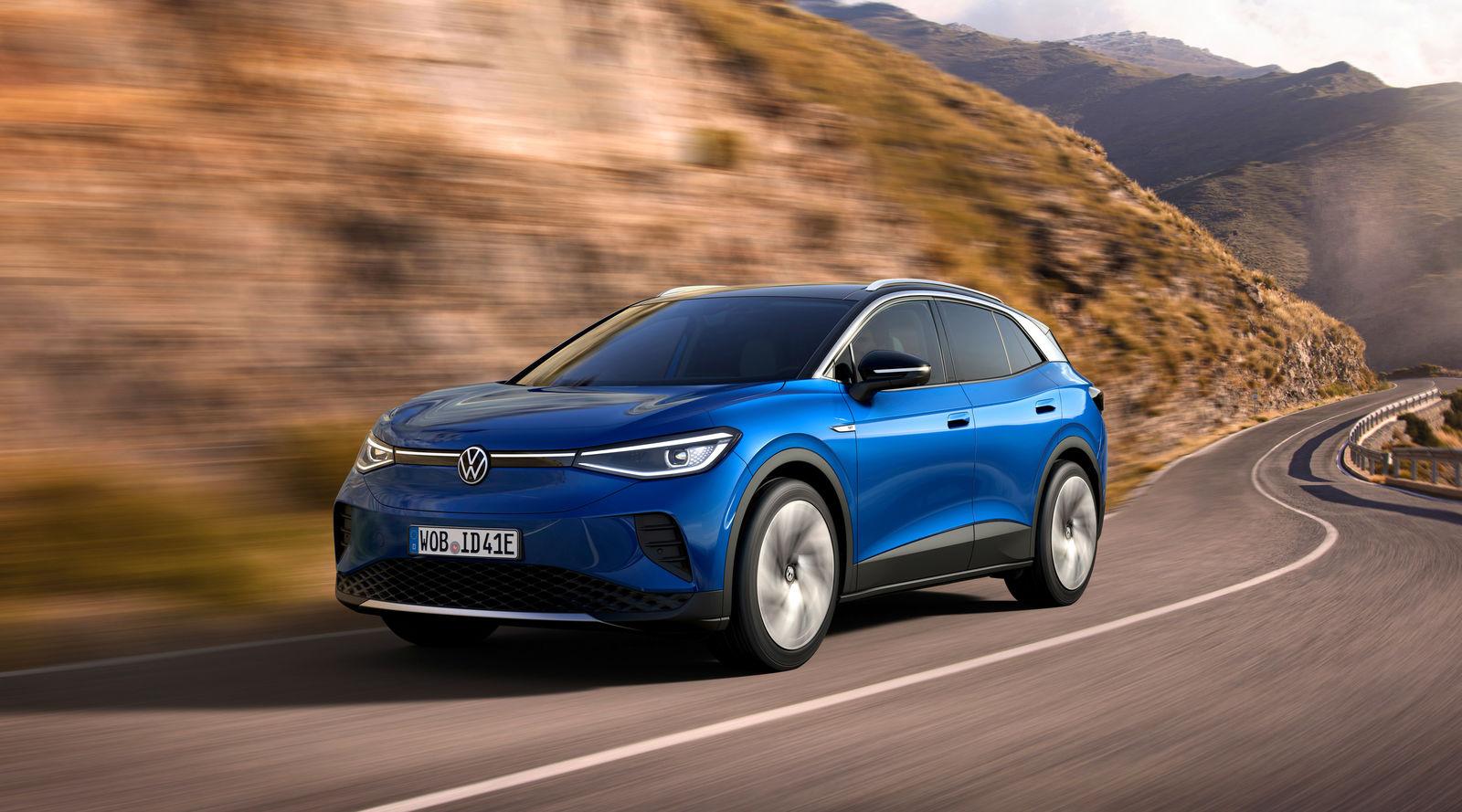
A Strategic Shift at Chattanooga
Volkswagen has confirmed that production of its all-electric compact SUV, the ID.4, will soon cease at its manufacturing facility in Chattanooga, Tennessee. The transition is expected to occur by mid-April 2026, marking a significant adjustment in the company’s U.S. production strategy. In its place, the factory will increasingly focus on assembling gasoline-powered models, specifically the upcoming 2027 Atlas and Atlas Cross Sport.
This decision reflects a broader reassessment of priorities as automakers respond to shifting market dynamics. Volkswagen indicated that fluctuating demand in the electric vehicle sector has required careful recalibration, particularly in regions where adoption has not met earlier expectations.

Profit Pressures and Market Realities
The move is closely tied to financial considerations. Volkswagen has faced mounting economic pressure, including the impact of tariffs and declining profitability. The company reported a 53% drop in profits alongside a 13% decrease in U.S. sales last year, underscoring the urgency of optimizing production efficiency.
Given these conditions, higher-margin vehicles have taken precedence. Larger internal combustion SUVs, such as the Atlas lineup, continue to generate stronger returns compared to compact electric crossovers. With the Chattanooga facility being Volkswagen’s only U.S. assembly plant, maximizing its output for the most profitable models has become a central objective.
ID.4 Sales Performance and Challenges
While the ID.4 initially entered the market during a period of strong optimism for electric vehicles, its trajectory in the United States has been uneven. In 2025, Volkswagen sold 22,373 units, representing a notable increase from the prior year. However, that growth followed disruptions caused by a stop-sale order linked to a door handle issue, which significantly limited availability.
Despite the temporary rebound, demand weakened again after the removal of federal EV incentives. By the fourth quarter of 2025, quarterly sales had dropped sharply, with only 248 units delivered during that period. Earlier concerns—including software glitches and drivetrain-related issues—also affected the model’s reputation during its early lifecycle.
Inventory Will Sustain Availability
Although production is ending, the ID.4 will not disappear from the U.S. market immediately. Volkswagen has stated that existing inventory will remain available through dealerships, potentially covering customer demand into 2027. This suggests that while manufacturing is stopping, the vehicle’s presence will linger for some time.
At the same time, the company has hinted at future plans for a new electric offering tailored to North America, though specific details have not yet been disclosed. This indicates that the ID.4’s departure may be part of a broader transition rather than a complete withdrawal from the segment.
An Uncertain EV Lineup
The decision leaves Volkswagen’s electric vehicle portfolio in the United States in a transitional phase. The ID.4’s exit removes a key product in the compact SUV category, while other models face their own timing challenges. For example, the ID. Buzz is expected to skip the 2026 model year, with remaining 2025 units intended to bridge the gap until its return.
As a result, Volkswagen’s EV presence in the U.S. will be relatively limited in the near term. This pause could allow the company to refine its next generation of electric vehicles, potentially incorporating updated designs, improved software systems, and a more competitive cost structure.

Looking Ahead: Reset or Retreat?
Volkswagen’s decision highlights a broader tension within the automotive industry. While long-term electrification goals remain intact, short-term market conditions—ranging from policy changes to consumer demand—are forcing manufacturers to adapt quickly.
Ending ID.4 production in the U.S. may appear to be a step back, but it could also represent a strategic reset. By reallocating resources toward more profitable models today, Volkswagen may be positioning itself to return with more compelling electric vehicles in the future.
Whether this approach proves effective will depend on how quickly the company can deliver its next wave of EVs—and whether those vehicles align more closely with what American buyers are willing to pay for.
Recommend Reading: Volkswagen ID. Polo Prototype Shows a Clear Shift in VW’s EV Strategy









Share:
Why Budget EVs in the U.S. May Offer Fewer Features Than China
Megawatt EV Chargers Arrive in the U.S.—Are Cars Ready?