





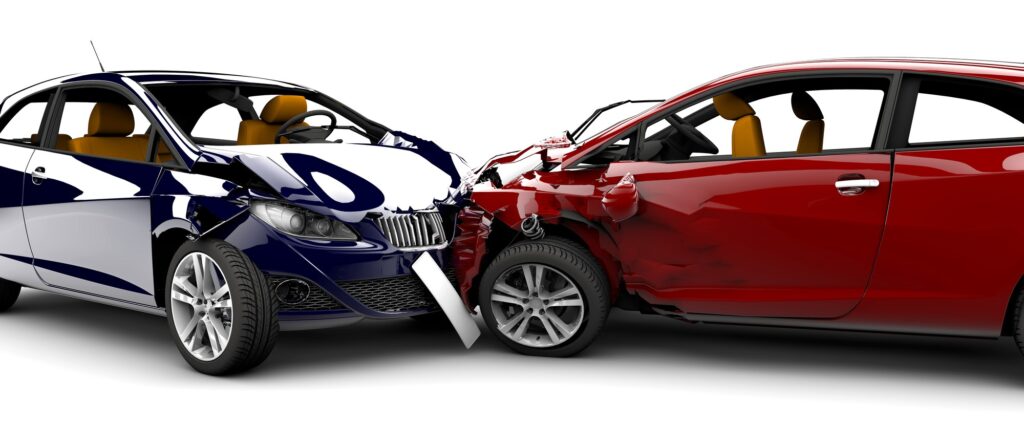
Electric vehicles still cost more to insure than gasoline-powered cars, but the price gap is beginning to narrow. Recent data shows that EV insurance premiums remain significantly higher on average, although rates for electric models have started declining faster than those for conventional vehicles.
For consumers evaluating the true cost of vehicle ownership, insurance continues to be one of the most important expenses beyond purchase price, charging, fuel, and maintenance.

Insurance Remains a Major EV Ownership Expense
Electric vehicles are often promoted as a way to reduce long-term operating costs. Fewer mechanical components, reduced routine maintenance requirements, and lower energy costs can all contribute to ownership savings. However, insurance remains one area where EV owners frequently pay more.
According to new industry research, a 2024 or newer electric vehicle costs about 18% more to insure than a similarly aged gasoline-powered vehicle. The average annual premium for a newer EV stands at approximately $3,293, while comparable gas-powered models average $2,792 per year.
That difference translates to roughly $501 in additional annual insurance costs for owners of newer electric vehicles.
When all vehicle ages are included, the disparity becomes even larger. Across the broader market, EV owners spend an average of $941 more per year, representing a premium of roughly 42% compared with internal-combustion vehicles.
Why Electric Vehicles Cost More to Insure
Several factors contribute to higher insurance premiums for EVs.
One of the biggest drivers is repair expense. While electric powertrains contain fewer moving parts than traditional engines, accident repairs can be more complex and costly. Specialized training, dedicated equipment, and limited repair networks can increase labor costs and extend repair times.
In many regions, certified EV repair facilities remain less common than traditional body shops. As a result, insurers often face higher claim costs when electric vehicles are involved in collisions.
Battery systems also play a major role. Although battery durability has improved substantially, replacement costs can still be significant. Depending on vehicle size and battery capacity, a new battery pack can cost anywhere between $10,000 and $20,000, creating additional risk exposure for insurers.
Falling Battery Prices Could Reduce Future Costs
There are signs that some of the factors driving high premiums may gradually ease.
Battery manufacturing costs have fallen dramatically over the past decade. Industry data indicates that average battery pricing dropped to around $108 per kilowatt-hour in 2025, representing a reduction of nearly 75% compared with 2015 levels.
Lower battery costs could eventually reduce repair expenses, replacement costs, and insurance claim severity. As EV adoption expands and repair infrastructure matures, insurers may gain greater confidence in pricing policies more competitively.
Vehicle pricing is another important factor. Electric vehicles have historically been concentrated in premium market segments, where higher purchase prices naturally lead to higher insurance costs. As more affordable EV models enter the market, this dynamic could gradually change.
Recent Trends Show Encouraging Progress
Insurance premiums have increased sharply across the entire automotive industry in recent years. Inflation, rising repair costs, vehicle technology complexity, and supply-chain challenges have all pushed rates higher.
Since 2023, insurance costs for electric vehicles have risen more rapidly than those for gasoline-powered vehicles. EV premiums increased by approximately 37.6%, compared with about 24% for conventional vehicles.
However, the most recent data suggests momentum may be shifting.
Over the past year, average EV insurance costs declined by roughly 11.1%, while premiums for gasoline vehicles fell by about 7.7%. Although electric vehicles remain more expensive to insure overall, the faster rate of decline indicates that the pricing gap may gradually shrink.
Which EVs Cost the Most to Insure?
Luxury electric vehicles dominate the list of the most expensive models to insure.
The Mercedes-Benz EQS leads the group with average annual premiums of approximately $4,703. Close behind are the Tesla Model S at $4,558 and the BMW i5 at $4,554.
Tesla's lineup appears prominently throughout insurance rankings. The Model 3, Model Y, Model S, Model X, and Cybertruck all rank among the costliest electric vehicles for insurance coverage.
Other high-cost models include the BMW i4 and Dodge Charger Daytona EV.
At the more affordable end of the spectrum, the Chevrolet Bolt EUV and Ford F-150 Lightning typically carry significantly lower premiums than many luxury EV competitors.
Location Can Have a Bigger Impact Than Vehicle Choice
Insurance pricing varies substantially depending on where a vehicle is registered.
While most states show higher premiums for electric vehicles, a few exceptions exist. In Nebraska, West Virginia, and Montana, insuring a newer EV can actually cost slightly less than insuring a comparable gasoline-powered vehicle, with savings generally ranging from 1% to 4%.
Most states, however, still impose an EV insurance premium.
Among the states studied, Massachusetts showed the largest gap. There, insurance for a newer electric vehicle averages about $3,560 annually, roughly 54% higher than coverage for a comparable gas-powered vehicle.
As insurers gather more data and the EV market matures, these regional differences may continue to evolve.

FAQ
Why are electric vehicles more expensive to insure?
Electric vehicles often have higher repair costs, specialized service requirements, and expensive battery systems. These factors can increase claim payouts and lead insurers to charge higher premiums.
How much more does EV insurance cost compared with gas cars?
For newer vehicles, electric models cost about 18% more to insure on average. Across all vehicle ages, the difference can reach approximately 42%.
Are EV insurance costs going down?
Yes. Recent data shows that average EV insurance premiums declined by 11.1% over the past year, a faster decrease than the reduction seen for gasoline-powered vehicles.
Which electric vehicles have the highest insurance premiums?
Luxury EVs generally rank highest. Models such as the Mercedes-Benz EQS, Tesla Model S, and BMW i5 are among the most expensive electric vehicles to insure.
Are there states where EV insurance is cheaper than gas-car insurance?
Yes. Studies show that Nebraska, West Virginia, and Montana are among the few states where insurance costs for newer EVs are slightly lower than those for comparable gasoline vehicles.
Recommend Reading: Congress Proposes EV Fee That Could Hit $150










Share:
Electrify America Simplifies EV Charging Payments