



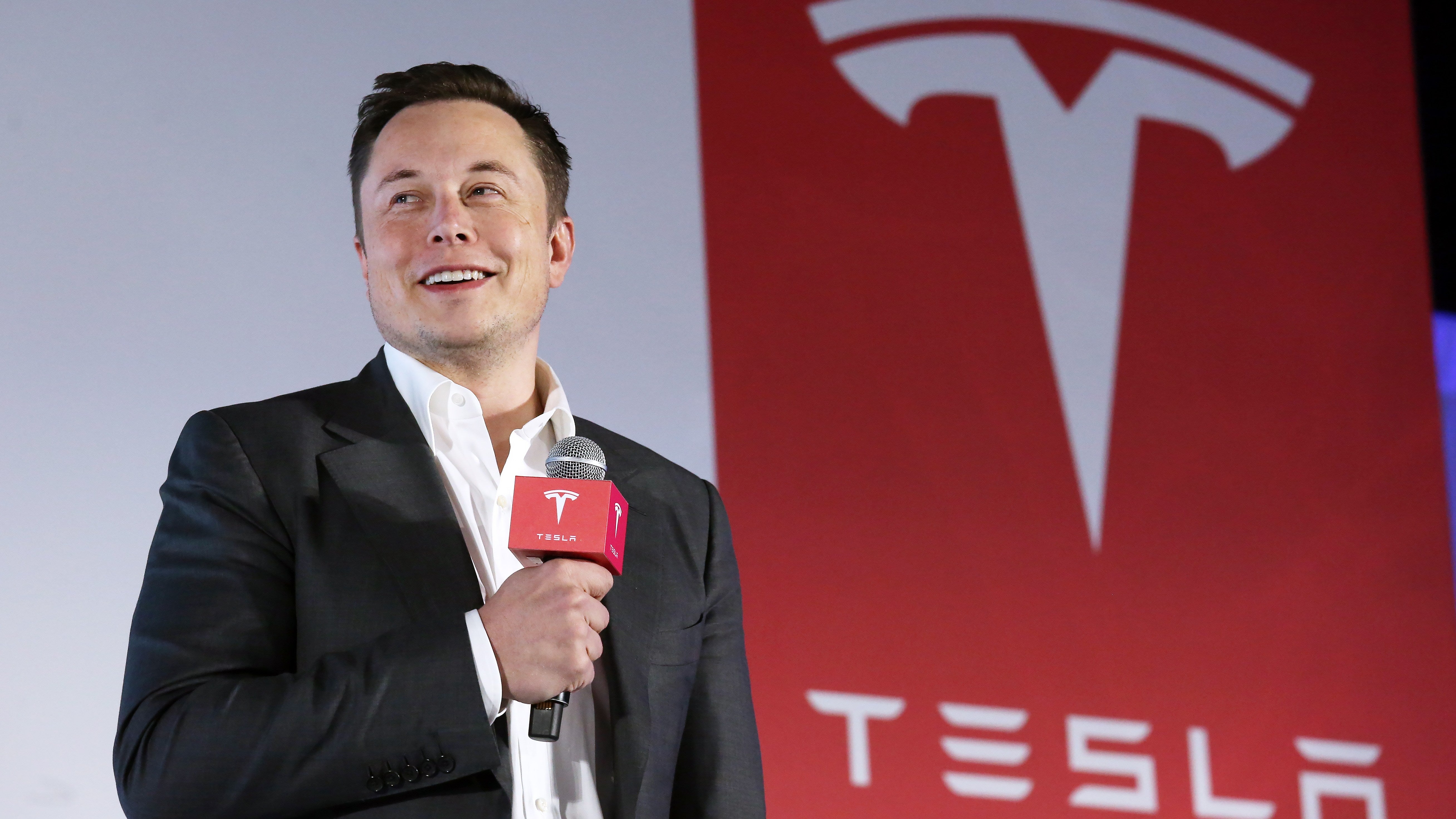
Elon Musk Acknowledges Political Move Hurt Tesla
Elon Musk’s brief but high-profile political stint at the Department of Government Efficiency (DOGE) is now something he openly regrets. His four-month role coincided with a notable drop in Tesla sales worldwide, weakening the brand’s standing in several key EV markets.
During a recent podcast conversation with his aide and former DOGE advisor Katie Miller, Musk described the agency’s cost-cutting achievements as “somewhat successful,” yet far from what he had hoped. He admitted that, in hindsight, stepping into politics took focus away from Tesla, SpaceX and his other ventures.
“Instead of doing DOGE, I would have worked on my companies,” he said.

Sales Declines Add Weight to Musk’s Regret
Tesla’s performance throughout the year offers a clear backdrop to Musk’s comments. As deliveries slipped and market share eroded, the impact of his political engagement became increasingly difficult to ignore.
Musk even suggested the backlash was more than economic. He referenced several arson and vandalism incidents targeted at Tesla vehicles in the U.S. and Europe, saying such actions likely wouldn’t have happened “if he hadn’t made things political.”
2025 is now projected to be Tesla’s second straight year of falling global sales, with steep declines reported by Reuters in major European markets: down roughly 50% in Sweden and France, and around 40% in Denmark, Portugal and the Netherlands. Deliveries did rise in Norway and Italy, but not enough to offset losses elsewhere.
Global Competition Intensifies
Competition has tightened across Europe as both local automakers and aggressive Chinese brands expand their EV lineups. Combined with an increasingly polarized public perception of Musk, Tesla’s brand image has suffered.
In China, political drama mattered less, but Tesla still lost momentum. Local buyers have increasingly gravitated toward domestic brands that resonate more with national identity, design preferences and pricing.
The U.S. tells a similar story. Tesla once commanded over 80% of the American EV market, but that figure has now sunk below 40%—its lowest point since 2017. The Cybertruck’s cooling reception added pressure, though the company hopes that recently introduced lower-priced versions of the Model Y and Model 3 will help stabilize demand.
Tesla Shifts Toward Autonomy and AI
Looking forward, Tesla is framing its future less around car manufacturing and more around advanced autonomy. Its upcoming Cybercab—designed without pedals or a steering wheel—is expected to reach the market next year, at least according to Tesla’s timeline. Regulators, however, appear unconvinced.
Officials have pushed back on approving a fully control-free vehicle, and Tesla may be forced to add traditional interfaces. The idea of “driving” with a gaming controller has raised red flags.
At the same time, Tesla’s AI-driven Full Self Driving system faces regulatory barriers abroad. Musk has repeatedly expressed confidence that FSD will soon operate on European roads, but policymakers have shown little urgency in approving the system.

Uncertainty Around Rebuilding Consumer Trust
Despite Musk’s renewed focus on his companies, exactly how Tesla intends to regain customer confidence is unclear. The brand faces intense competition, slowing demand in some markets and ongoing skepticism around its autonomous ambitions.
What is certain is that Musk’s brief detour into government has become a defining moment—one he now admits cost Tesla more than it gained.
Recommend Reading: Tesla’s Holiday Update Delivers New Features and Smarter In-Car Tools
Aktie:
Rivian Equips R2 With Lidar for Next-Gen Autonomy
2025 Ford Mustang Mach-E Fixes a Major Usability Flaw