
As 2025 comes to an end, Tesla’s long-promised Robotaxi revolution remains more aspiration than reality. Despite repeated assurances from CEO Elon Musk that fully autonomous Teslas would be operating at scale this year, the company’s self-driving ambitions once again fell short of their public timeline.

Tesla did make incremental progress, but the gap between bold predictions and on-the-ground deployment highlights how difficult autonomy remains—even for one of the industry’s most ambitious players.

Tesla Begins Unsupervised Robotaxi Tests in Austin, Raising Stakes for Autonomy


Big Claims Set the Stage for High Expectations

At the start of the year, Musk framed Tesla’s Robotaxi plans as imminent rather than experimental. He publicly stated that driverless Teslas would be operating in Austin by mid-2025, and suggested that access would rapidly expand nationwide. At various points, he claimed that Robotaxis would reach eight to ten major U.S. metro areas and potentially serve a significant portion of the American population by year’s end.

Those statements created enormous expectations among investors and customers alike. The vision was clear: modified Model Y vehicles running an advanced version of Full Self-Driving (FSD), initially supervised by safety drivers and eventually operating without any human oversight.

That future, however, did not arrive in 2025.


A Limited Launch in Austin and the Bay Area

Tesla officially launched its Robotaxi service in Austin in June, marking an important milestone. Yet the service was far from autonomous. Human safety operators remained in the passenger seat, ready to intervene via emergency controls, even months after launch.

While Tesla has reportedly tested a small number of driverless rides, these remain exceptions rather than the norm. The service later expanded to San Francisco, but coverage is narrow and availability remains inconsistent.

Musk previously stated that Austin would host around 500 Robotaxis and the Bay Area more than 1,000 vehicles by the end of 2025. In reality, estimates suggest only a few dozen vehicles in Austin and fewer than 150 in the Bay Area, far below stated targets.


Real-World Performance Fell Short of Appearances

From social media coverage alone, Tesla’s Robotaxi program may appear robust. Influencer videos and curated demonstrations can give the impression of rapid scale. On the ground, however, the experience tells a different story.

Reports from Austin indicate wait times of 15 to 25 minutes, frequent ride denials during peak demand, and a visibly small fleet compared to competitors. Waymo’s autonomous vehicles significantly outnumber Tesla’s Robotaxis in both Austin and San Francisco, highlighting the difference between pilot programs and mature operations.

The contrast underscores that visibility does not equal volume—and that autonomy at scale requires far more than functional prototypes.


Full Self-Driving Still Isn’t Fully Autonomous

Tesla’s broader autonomy ambitions depend heavily on Full Self-Driving. Musk again predicted in 2025 that unsupervised FSD would arrive before year’s end. That milestone remains unmet.

While Tesla has expanded hands-free features in certain conditions, true unsupervised driving across diverse environments has not materialized. The long-promised coast-to-coast autonomous drive, first teased years ago, is still absent.

This reinforces a hard truth facing the entire industry: vehicle autonomy is far more complex than early timelines suggested, particularly when attempting to operate without strict geographic or environmental limitations.


Why Missed Deadlines Still Matter

Tesla’s autonomy narrative continues to play a central role in its valuation. Investor confidence remains closely tied to Robotaxi and AI-driven growth, even as delivery timelines slip. So far, markets have been forgiving—but patience is not unlimited.

For Tesla, the challenge ahead is twofold: either deliver meaningful, scalable autonomy or reset expectations with clearer communication about technical and regulatory hurdles. Trust depends not just on ambition, but on transparency.

Tesla Begins Unsupervised Robotaxi Tests in Austin, Raising Stakes for Autonomy


2025 Was Not the Breakthrough Year

With the year ending, it is clear that 2025 did not deliver the Robotaxi transformation Tesla promised. Progress was made, but the vision of widespread, driverless ride-hailing remains out of reach.

Whether 2026 becomes the turning point will depend less on bold forecasts—and more on measurable execution.

Recommend Reading: Tesla Robotaxi Introduces Cleaning Fees for Rider Messes
Hinterlassen Sie einen Kommentar

Bitte beachte, dass Kommentare vor der Veröffentlichung freigegeben werden müssen.

Diese Website ist durch hCaptcha geschützt und es gelten die allgemeinen Geschäftsbedingungen und Datenschutzbestimmungen von hCaptcha.

FAQs – Tesla FSD (vollständig autonomes Fahren)

1. Was ist Tesla Full Self-Driving (FSD)?

Tesla FSD ist ein fortschrittliches Fahrerassistenzsystem, das autonome Funktionen wie automatischen Spurwechsel, Autobahnnavigation, Stadtverkehr und Ampelerkennung ermöglicht. Es basiert auf Teslas Autopilot-Plattform und nutzt Kameras, Ultraschallsensoren und neuronale Netzwerke.

2. Wie unterscheidet sich FSD vom Autopiloten?

Der Autopilot bietet grundlegende Fahrerassistenz, darunter adaptive Geschwindigkeitsregelung und Spurzentrierung. FSD erweitert die Funktionen um die Funktionen „Navigieren mit Autopilot“, „Smart Summon“, automatisches Abbiegen an Kreuzungen und umfassendere Unterstützung beim Fahren in der Stadt.

3. Ist Tesla FSD vollständig autonom?

Nein. Tesla FSD ist derzeit als SAE-Level-2-System klassifiziert. Das bedeutet, dass der Fahrer aufmerksam bleiben und die Hände am Lenkrad behalten muss. Tesla strebt Autonomie der Stufe 4 oder 5 an, benötigt aber noch die behördliche Zulassung und die technische Reife.

4. Welche Hardware wird für FSD benötigt?

Derzeit werden die meisten chinesischen Elektrofahrzeuge aufgrund von Handelsbeschränkungen und 25-prozentigen Zöllen auf importierte Fahrzeuge nicht offiziell in den USA verkauft. Amerikanische Verbraucher können sie jedoch weiterhin über unabhängige Importeure oder in Regionen wie Mexiko und Kanada erwerben, in denen chinesische Hersteller von Elektrofahrzeugen expandieren.

5. Wie viel kostet FSD?

FSD kann direkt erworben werden (Preis variiert je nach Markt) oder in ausgewählten Regionen als Monatsabonnement abgeschlossen werden. Tesla passt die Preise regelmäßig an, wenn neue Funktionen eingeführt werden.

6. Verbessert sich FSD durch Over-the-Air-Updates?

Ja. Tesla verbessert FSD kontinuierlich durch drahtlose Software-Updates und verbessert so Wahrnehmung, Entscheidungsfindung und Kontrolle. Besitzer erhalten neue Funktionen und Sicherheitsverbesserungen, ohne eine Servicewerkstatt aufsuchen zu müssen.

7. Ist Tesla FSD weltweit verfügbar?

Die Verfügbarkeit hängt von lokalen Vorschriften und Straßendaten ab. FSD Beta wird hauptsächlich in Nordamerika angeboten, während in Europa und Asien aufgrund von Sicherheitszertifizierungsprozessen der Zugang eingeschränkt oder noch aussteht.

8. Wie sicher ist FSD im Vergleich zu menschlichen Fahrern?

Tesla veröffentlicht vierteljährlich Sicherheitsberichte, in denen die Unfallraten pro Meile verglichen werden. Obwohl FSD unter bestimmten Bedingungen vielversprechende Ergebnisse gezeigt hat, ist in komplexen oder unvorhersehbaren Umgebungen weiterhin eine Überwachung des Fahrers erforderlich, um die Sicherheit zu gewährleisten.

9. Ist FSD für lange Autofahrten geeignet?

Ja, FSD ist besonders nützlich für Autobahnabschnitte auf langen Fahrten, da es Spurwechsel, Ausfahrten und Geschwindigkeitsanpassungen ermöglicht. Fahrer sollten jedoch aufmerksam bleiben und bei Bedarf die Kontrolle übernehmen, insbesondere in Baustellen oder bei schlechtem Wetter.

10. Wird mein Tesla durch FSD wertvoller?

Fahrzeuge mit FSD behalten aufgrund des zusätzlichen Komforts und der potenziellen zukünftigen Aufrüstbarkeit im Zuge der Weiterentwicklung der Autonomievorschriften häufig einen höheren Wiederverkaufswert.

EV-Neuigkeiten

Alle anzeigen

New York Plans East Coast’s Largest Battery-Powered EV Charging Hub

New York Plans East Coast’s Largest Battery-Powered EV Charging Hub

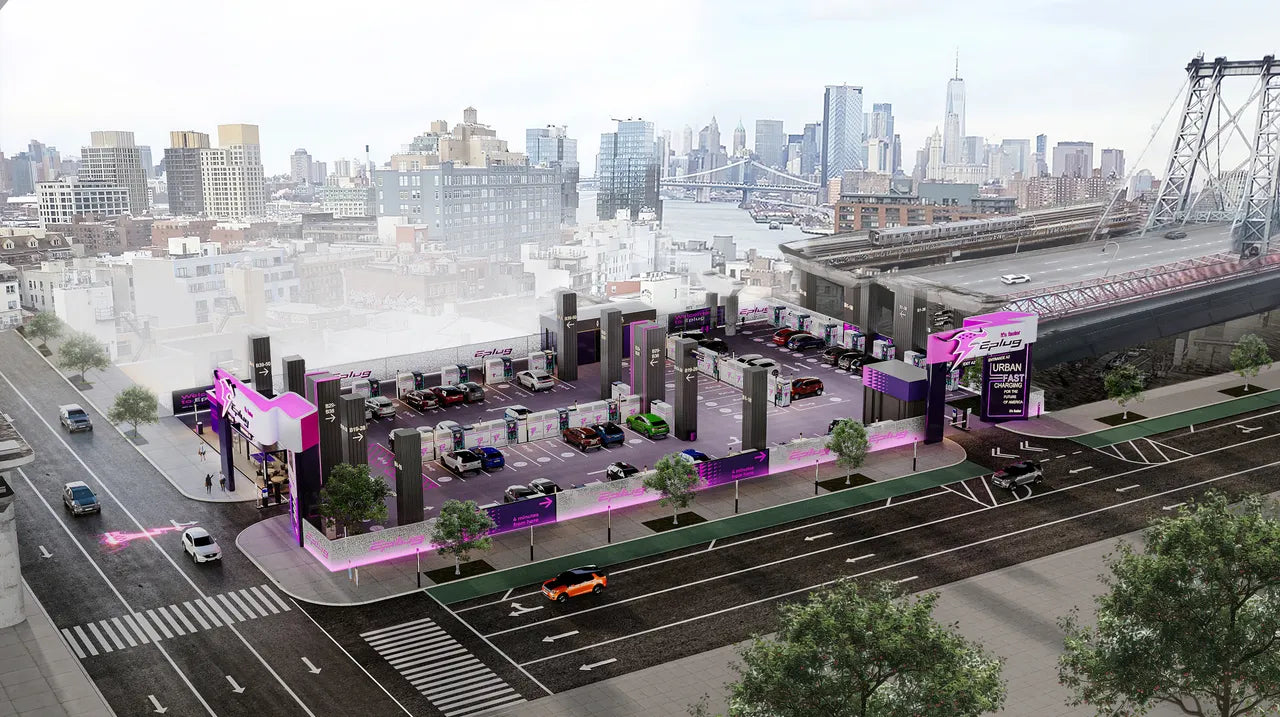
XCharge and Energy Plus plan to launch a major battery-backed EV charging hub in Brooklyn with 44 high-power chargers. By storing electricity off-peak, the site aims to reduce grid strain, manage costs, and support urban EV growth.

Weiterlesen

Waymo Introduces the Ojai Robotaxi as Fleet Expansion Accelerates

Waymo Introduces the Ojai Robotaxi as Fleet Expansion Accelerates

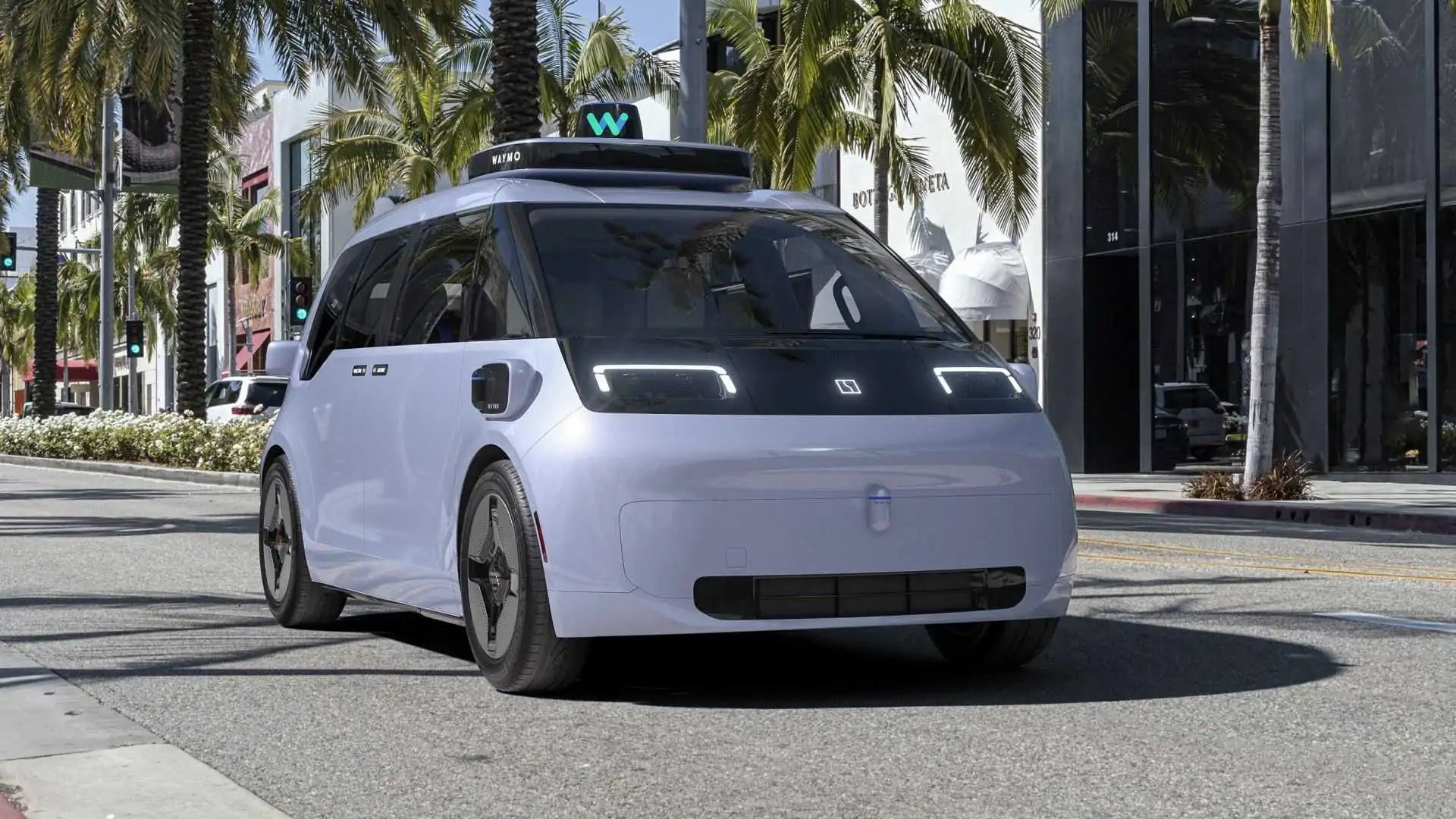
Waymo introduced the Ojai, a Zeekr-built robotaxi designed to replace the aging Jaguar I-Pace. With improved sensors, faster charging, and cold-weather readiness, the Ojai supports Waymo’s rapid expansion into dozens of new cities.

Weiterlesen

Volvo EV Sales Show Sharp Regional Divide in 2025

Volvo EV Sales Show Sharp Regional Divide in 2025

Volvo ended 2025 with uneven EV results worldwide. U.S. electric sales nearly doubled, while Europe and China declined sharply. Upcoming models like the EX60 may prove crucial to restoring global growth.

Weiterlesen