




Regulatory Pressure Comes to a Head
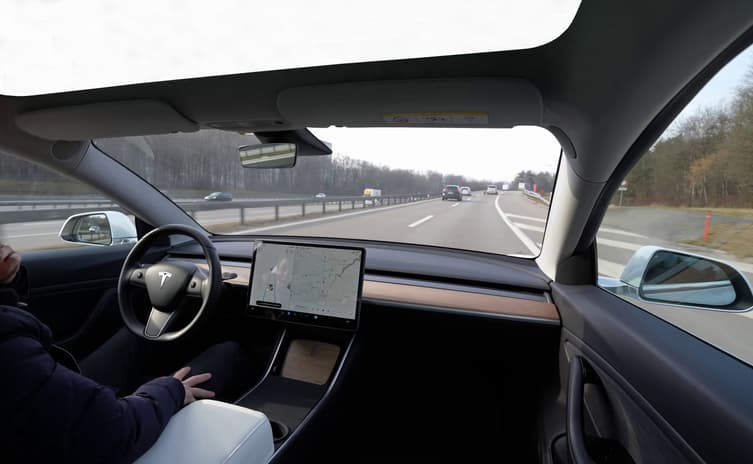
Tesla has formally stopped using the “Autopilot” label in California after intervention from the California Department of Motor Vehicles (DMV). The move follows months of regulatory scrutiny and resolves a dispute that could have resulted in a temporary suspension of the company’s dealer and manufacturer licenses in the state.
According to the DMV, Tesla completed the required corrective steps to remain compliant with California consumer protection laws. By discontinuing the branding, the company avoided a potential 30-day license suspension, a penalty regulators had been preparing to impose after an administrative ruling found Tesla’s marketing overstated the capabilities of its driver-assistance systems.

The Core Issue: Marketing vs. Capability
At the center of the conflict was how Tesla described its advanced driver-assistance technologies. Both Autopilot and the optional Full Self-Driving (FSD) package require active driver supervision and do not provide autonomous operation. Despite this, regulators argued that the terminology and promotional materials could mislead consumers into believing the vehicles were capable of operating independently.
Tesla has maintained for years that its systems are not fully autonomous and that driver oversight is mandatory. However, California officials determined that the naming and presentation created confusion. In their view, the language used blurred the distinction between assistance and autonomy.
In a public statement, DMV Director Steve Gordon emphasized that the agency’s priority is roadway safety and consumer transparency. The department described Tesla’s decision to eliminate the branding as sufficient action to resolve the compliance issue.
Changes Extend Beyond Branding
Although the state’s demand focused on terminology, Tesla’s adjustments have gone further. The company recently began removing Autosteer, a key feature previously bundled within its basic driver-assistance package, from newly produced vehicles.
The change first appeared in the Cybertruck and later expanded to entry-level versions of the Model 3 and Model Y. By January, the update had been applied broadly across new production units. Notably, regulators did not explicitly require the removal of Autosteer itself—only the discontinuation of the Autopilot name in California marketing.
Industry observers have speculated that the decision to unbundle Autosteer may also align with Tesla’s broader product strategy. Reports circulated last year suggesting the company intended to steer more customers toward purchasing the optional FSD package. However, Tesla has not publicly linked the feature removal to the regulatory settlement.
Broader Implications for Tesla
The branding shift marks the end of a label that had been in use for roughly a decade. During that time, Autopilot became closely associated with Tesla’s identity and its technological ambitions. Eliminating the term represents a notable recalibration in how the company presents its driver-assistance capabilities—at least in California.
In some international markets where FSD is unavailable, Tesla has reportedly scaled back references to Autopilot as well. This suggests the adjustment may extend beyond compliance in a single U.S. state and reflect a more cautious global messaging approach.
California’s stance underscores growing regulatory attention on advanced driver-assistance systems industrywide. As automakers introduce increasingly sophisticated features, the language used to describe them is facing closer examination. Authorities are signaling that marketing must clearly reflect operational limitations, especially when safety is involved.

A Regulatory Win, a Strategic Reset
For the DMV, the outcome is framed as a consumer protection success. By requiring clearer terminology, regulators aim to reduce misunderstandings about what modern driver-assistance systems can—and cannot—do.
For Tesla, the resolution avoids disruption to its sales operations in one of its largest U.S. markets. At the same time, the company must navigate the reputational and strategic implications of retiring a high-profile brand name tied to its technological narrative.
While Tesla’s vehicles continue to offer advanced assistance features, the episode illustrates the tightening boundaries around how such technology can be described. As regulatory scrutiny increases, precision in language may become just as important as innovation in hardware and software.
Recommend Reading: Tesla Autopilot Faces Scrutiny in Landmark Trial Over Fatal Crash









Share:
Why EV Battery Recycling Could Become a $70 Billion Industry
Tesla Cybertruck Base Price Rises to $72,235, Deliveries in 2027