


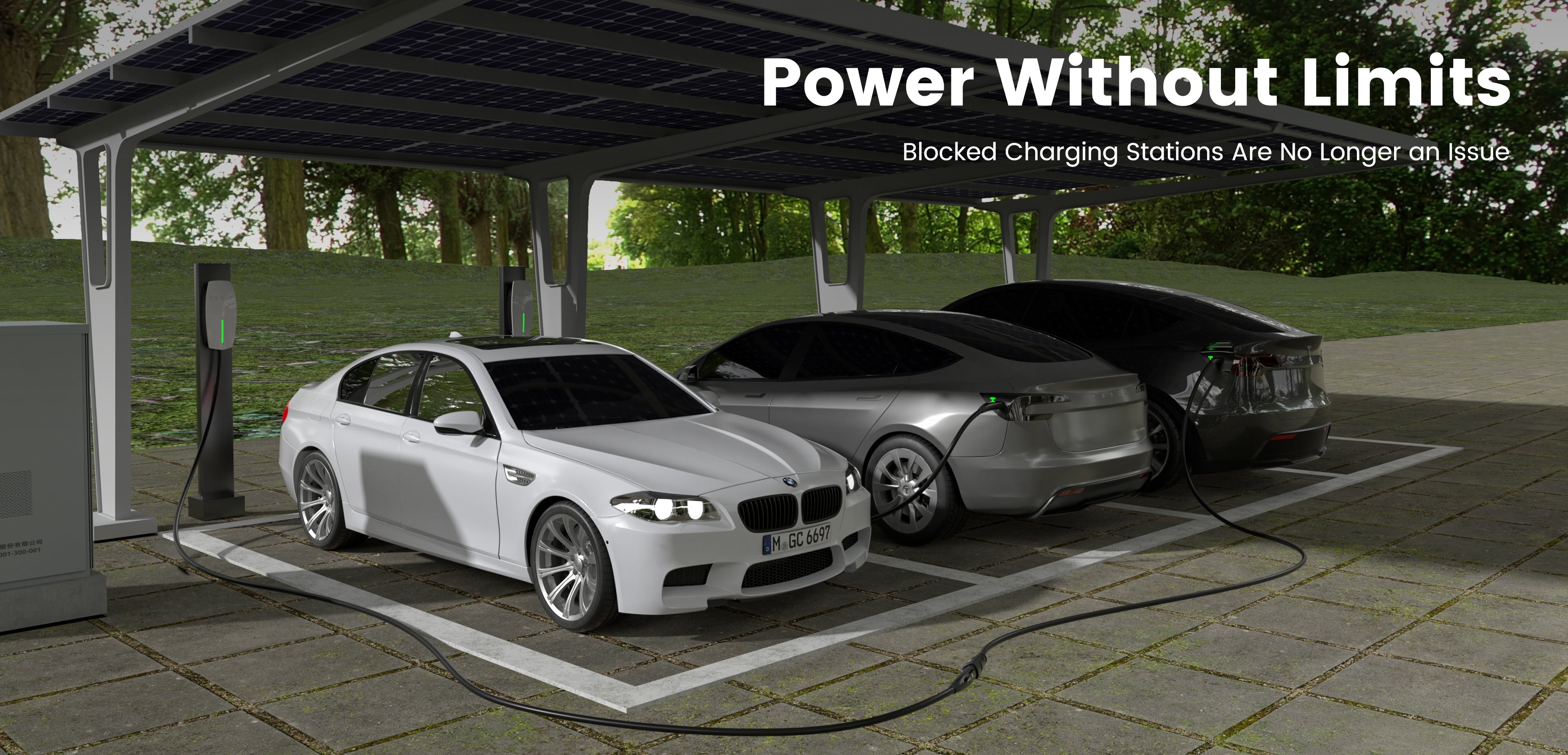
As electric vehicles become a daily necessity rather than a novelty, more EV owners are discovering a practical problem at home: the charging cable is just not long enough. Garages, driveways, shared parking spaces, and multi-car households often make a fixed charging setup inconvenient or even unusable without an extension cable.
This growing demand has flooded the market with low-cost EV extension cables that promise convenience at a fraction of the price. But when it comes to EV charging, not all extension cables are created equal—and choosing the wrong one can introduce serious safety risks.
Below, we break down the real differences between EVDANCE EV extension cables and cheaper alternatives, focusing on what actually matters: electrical safety, durability, and long-term reliability.

Why EV Extension Cables Are Not Just “Regular Cords”
An EV extension cable is not comparable to a household power extension cord. During charging, it must continuously handle high current loads for hours at a time, often outdoors and in varying weather conditions.
Cheap EV extension cables frequently cut corners in areas that are invisible at first glance but critical over time, including:
-
Internal conductor material
-
Insulation thickness and heat resistance
-
Connector precision and locking mechanisms
-
Compliance with recognized safety standards
A failure in any of these areas can lead to overheating, voltage drop, or even fire risk.
The Hidden Safety Risks of Cheap EV Extension Cables
Inferior Conductors and Excessive Heat
Many low-cost extension cables use undersized conductors or aluminum-copper blends instead of full copper. While these materials reduce manufacturing costs, they also increase electrical resistance.
Higher resistance leads to:
-
Excessive heat buildup
-
Reduced charging efficiency
-
Accelerated cable degradation
Over time, this heat stress can damage insulation and connectors, increasing the risk of electrical failure.
Inadequate Insulation and Weather Protection
Cheap cables often rely on thin PVC insulation that performs poorly in extreme temperatures. In cold climates, insulation can become brittle and crack. In hot conditions, it may soften and deform.
Once insulation integrity is compromised, moisture intrusion becomes a serious concern, especially for outdoor charging setups.
Loose or Inconsistent Connector Fit
Precision matters at the connector level. Poorly molded connectors can cause:
-
Incomplete contact between pins
-
Micro-arcing during charging
-
Localized overheating at the plug
These issues may not trigger an immediate failure, but they silently shorten the lifespan of both the cable and your EV charging equipment.

How EVDANCE EV Extension Cables Are Built Differently
EVDANCE extension cables are designed from the ground up for continuous high-load EV charging, not occasional power delivery.
Full Copper Conductors for Stable Power Flow
EVDANCE uses high-purity copper conductors, ensuring:
-
Lower electrical resistance
-
Reduced heat generation
-
Stable current delivery over long charging sessions
This directly improves safety and charging efficiency, especially during overnight or winter charging.
High-Temperature, Multi-Layer Insulation
Unlike basic PVC designs, EVDANCE cables feature multi-layer insulation engineered to withstand prolonged heat exposure. This structure maintains flexibility in cold weather and structural integrity in high temperatures.
The result is a cable that remains safe and usable year-round, indoors or outdoors.
Precision-Molded Connectors and Secure Locking
EVDANCE connectors are precision-molded to meet EV charging tolerances, ensuring a tight, stable fit with both chargers and vehicles.
A secure connection minimizes:
-
Contact resistance
-
Heat concentration at the plug
-
Long-term wear on charging ports
This is especially important for users who frequently connect and disconnect their setup.
Safety Certification: A Critical Difference
One of the most overlooked distinctions between premium and cheap EV extension cables is certification.
Many low-cost options either lack third-party certification or rely on vague, non-verifiable claims. In contrast, EVDANCE EV extension cords are tested and use UL-recognized cables, providing independent validation of their electrical and thermal performance.
Certification ensures the cable has been evaluated for:
-
Current handling under continuous load
-
Insulation breakdown resistance
-
Connector temperature rise limits
For EV owners, this is not a formality—it is a safeguard.

Long-Term Cost vs. Short-Term Savings
At first glance, cheap extension cables appear to offer better value. But over time, the hidden costs add up:
-
Shorter lifespan due to heat stress
-
Increased risk of charger or vehicle port damage
-
Potential safety hazards requiring replacement
An EV extension cable is not a disposable accessory. It becomes part of your charging system, often used daily.
EVDANCE cables are designed for long-term use, reducing the likelihood of replacement, downtime, or unexpected failures.
When an EV Extension Cable Makes the Most Sense
A high-quality extension cable is especially valuable in scenarios such as:
-
Garages where the charger cannot be repositioned
-
Driveways with limited vehicle alignment options
-
Multi-EV households sharing a single charger
-
Temporary charging setups during travel or relocation
In these cases, reliability and safety are not optional—they are essential.

Final Thoughts: Safety Is Not the Place to Cut Corners
EV charging already involves high power, long durations, and valuable equipment. Introducing a low-quality extension cable into that system creates unnecessary risk.
EVDANCE EV extension cables prioritize safety, performance, and durability, offering peace of mind that cheap alternatives simply cannot match.
When it comes to EV charging, saving a few dollars upfront is never worth compromising on safety.
Recommend Reading: Travel Charging Made Easy: How an EV Extension Cable Can Help


Share:
How to Prepare Your EV for Winter Storms: Practical Tips Every Owner Should Know
Why EV Extension Cables Don’t Have Full UL Certification