





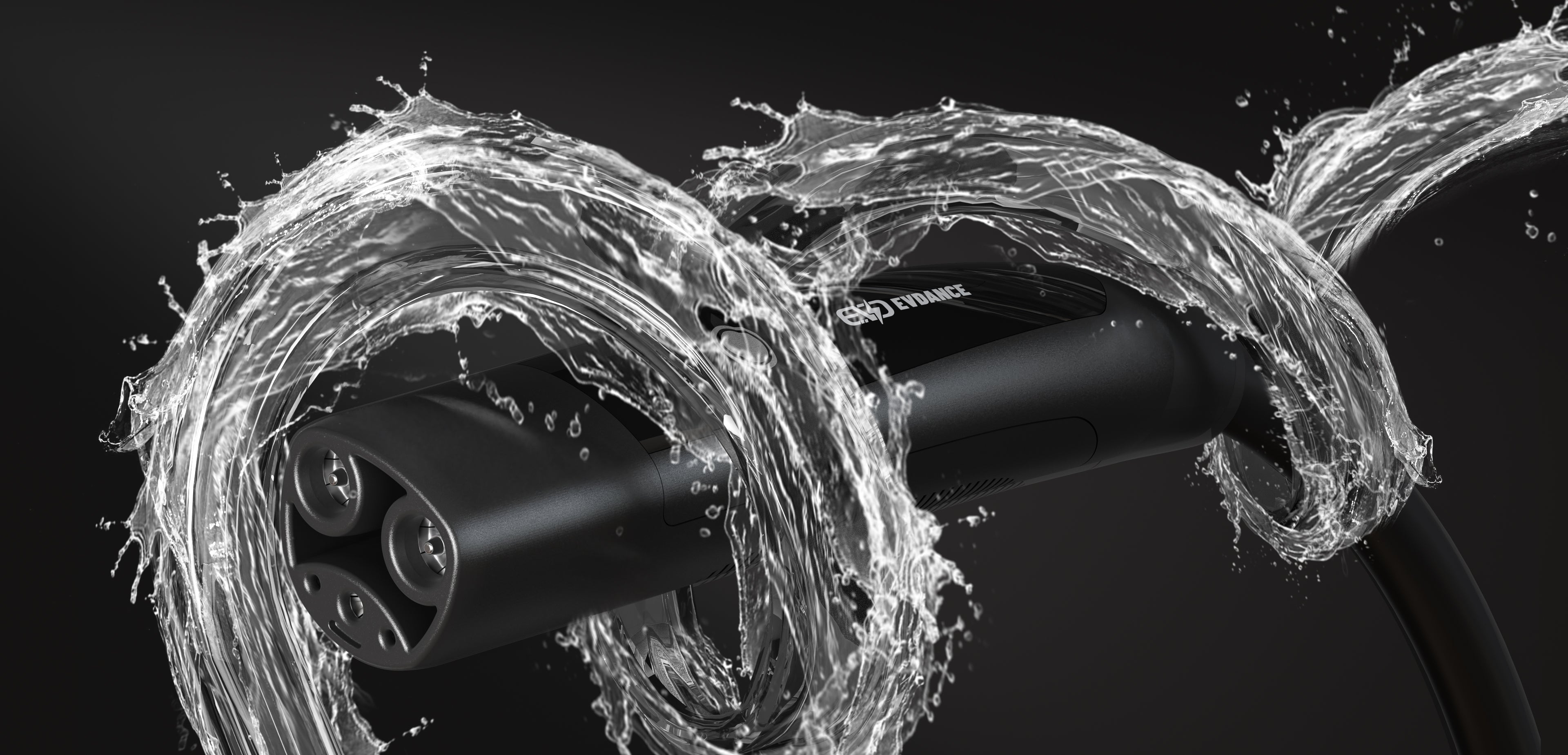
As electric vehicles become more common, home charging setups are evolving as well. Not every driveway, garage, or parking space is ideally positioned for a fixed charger, which is why EV extension cables are increasingly discussed—and questioned.
One of the most frequent concerns we hear is simple:
“Why doesn’t this EV extension cable have full UL certification?”
It’s a reasonable question. EV charging involves high current, long charging sessions, and outdoor exposure. Safety matters. However, the assumption that EV extension cables should have a full UL listing misunderstands how certification standards work—and what currently exists for this product category.

How UL Certification Actually Works
UL (Underwriters Laboratories) does not certify products on a case-by-case basis. Certification is only possible when three conditions are met:
-
A defined product category exists
-
A published UL safety standard applies to that category
-
The product can be tested as a complete end-use device
For EV chargers and EVSE equipment, this framework is well established. Wall-mounted chargers, portable EV chargers, and charging stations are evaluated under standards such as UL 2594 and UL 2231, which cover electrical safety, fault protection, and long-term reliability.
EV extension cables, however, do not fall into these categories.
They are passive accessories, not active charging devices—and that distinction matters.
Why EV Extension Cables Don’t Have a Full UL Listing
An EV extension cable does not generate, regulate, or control power. It has no electronics, no software, and no safety logic. Instead, it simply extends an existing charging connection between:
-
A UL-listed EV charger
-
A vehicle’s charging inlet
Because of this, UL does not classify EV extension cables as EVSE or as standalone electrical devices. There is currently no dedicated UL standard that evaluates EV extension cables as a complete finished product.
This is not unique to EVDANCE. It applies to the entire category.
Without an official standard, a “full UL certification” for EV extension cables is not possible—regardless of brand or build quality.

The Regulatory Gray Area—and Consumer Confusion
From a consumer perspective, the lack of a UL label can feel unsettling. Many buyers associate UL certification directly with safety, and understandably so.
However, in this case, the absence of a UL Listing does not automatically indicate poor quality or unsafe design. It simply reflects a gap in how current standards are defined.
This is why it’s important to look beyond the label and understand how an extension cable is built, not just what certification is printed on the packaging.
UL Listed vs. UL Recognized: A Critical Difference
While EV extension cables cannot be UL Listed as complete products, their individual components can still be evaluated and certified.
This is where UL Recognized components come into play.
-
UL Listed: Applies to finished products intended for direct consumer use
-
UL Recognized: Applies to components designed to be used within larger systems
For EV extension cables, the most critical component is the power cable itself—the part that carries high current for extended periods of time.

Why the Cable Is the Most Important Safety Factor
In an EV extension cable, safety risks typically come from:
-
Excessive heat buildup
-
Insufficient conductor thickness
-
Poor insulation quality
-
Inadequate strain relief
All of these risks are directly tied to the cable construction, not the absence of electronics.
This is why EVDANCE uses UL Recognized cables that have been tested for:
-
Current-carrying capacity
-
Temperature resistance
-
Insulation durability
-
Mechanical strength
UL Recognized certification ensures the cable itself meets strict safety requirements—even if the finished extension cable cannot carry a full UL Listing.
How EVDANCE Designs for Safety Without a Full UL Standard
EVDANCE approaches EV extension cable safety with a component-first philosophy.
Key design considerations include:
-
UL Recognized, heavy-gauge copper conductors to handle sustained high current
-
Thick, high-temperature insulation to reduce heat accumulation
-
Precision-molded connectors for consistent contact and minimal resistance
-
Robust strain relief to prevent internal wire damage over time
Rather than relying on a label that doesn’t exist, EVDANCE focuses on engineering decisions that directly impact real-world safety.

Why “No UL Certification” Does Not Mean “Unsafe”
It’s important to separate two different ideas:
-
The absence of a UL Listing standard
-
The actual safety of the product
In the case of EV extension cables, these are not the same thing.
A well-designed extension cable using UL Recognized components can be significantly safer than a poorly made cable that simply claims compliance.
Understanding this distinction helps consumers make better, more informed decisions—without unnecessary fear or confusion.
What Consumers Should Look for Instead
When evaluating an EV extension cable, focus on factors that actually matter:
-
Does the cable use UL Recognized wiring?
-
Is the conductor gauge appropriate for EV charging loads?
-
Are the connectors solid, well-fitted, and IP66 weather-resistant?
-
Is the manufacturer transparent about materials and testing?
These indicators provide far more insight into safety than a certification label that the category itself cannot obtain.

Educating the Market, Not Avoiding the Question
At EVDANCE, we believe transparency builds trust.
Rather than avoiding questions about UL certification, we aim to explain the reality: EV extension cables do not have a full UL standard—but that doesn’t mean safety is optional.
By using UL Recognized cables and designing with conservative safety margins, EVDANCE delivers extension cables that EV owners can use with confidence, even within today’s regulatory limitations.
As EV infrastructure continues to evolve, standards may change. Until then, understanding how certification works is the best way to separate real risk from perceived concern—and to charge smarter, not just longer.
Recommend Reading: EVDANCE vs. Cheap EV Extension Cables: Don’t Compromise on Safety


Share:
EVDANCE vs. Cheap EV Extension Cables: Don’t Compromise on Safety
What UL Recognized Means for Your EV Extension Cable: Safety You Can Trust