



Ford Shifts Back Toward Gas-Powered Vehicles
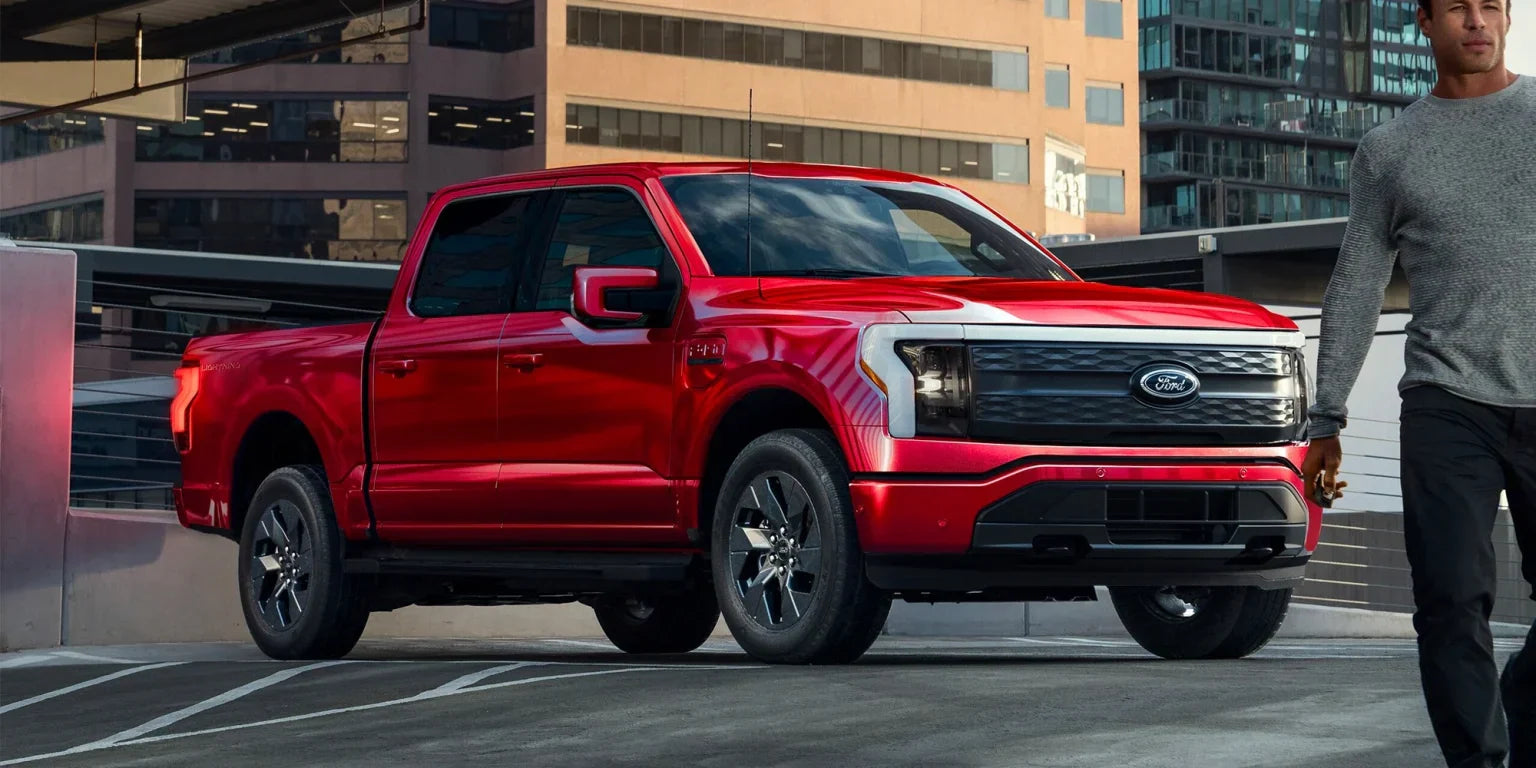
Ford Motor Company is making major changes to its electric vehicle plans, signaling a retreat from full-electric ambitions in its full-size trucks and commercial vans. The F-150 Lightning, once hailed as a game-changer for the U.S. EV market, will gain a gas-powered generator for extended-range performance. Meanwhile, a planned all-electric commercial van will be replaced with a gas and hybrid variant, and the anticipated fully electric Lightning successor, codenamed T3, has been canceled.
Battery production facilities are also being repurposed for AI data centers, and plants once branded for EV production are shedding their “electric future” monikers. In Europe, Ford’s small-car electric ambitions appear to rely heavily on Renault collaborations, further reflecting the automaker’s shift away from fully homegrown EV innovation.
These moves have sparked concern over the competitiveness of American EV manufacturing, particularly when Ford executives have repeatedly highlighted China’s growing influence in the global EV market.

EV Losses and Market Realities
Ford’s Model E electric program has been costly, with reported losses of roughly $19 billion as the company retrenches from earlier EV plans. Despite the Lightning being the best-selling electric pickup in the U.S., sales fell far short of expectations, and the truck rarely reached its initially promised $40,000 base price. Higher-priced models often sold for $60,000 to $90,000, which further limited adoption and contributed to ongoing losses for Ford’s EV division.
These setbacks echo past decisions, such as Ford’s discontinuation of sedans and hatchbacks in favor of crossovers and trucks. While profitable in the short term, those moves ceded market share to competitors, particularly Korean and Japanese brands in the small- and mid-size segments. Ford now faces similar challenges as Chinese automakers expand their influence with affordable EV and hybrid options globally.
Extended-Range EVs: A Partial Solution
Ford’s pivot toward extended-range electric vehicles (EREVs) aims to address customer concerns about towing, range, and affordability—areas where large battery EVs struggle. EREVs combine an electric drivetrain with a gas engine that charges the battery, effectively removing range anxiety for long-distance travel.
While this strategy may appeal to some buyers, EREVs remain untested in the U.S. market. Ford has also canceled its plans for a three-row electric crossover, citing limitations in current EV capabilities and consumer preferences. The company’s focus has shifted to the Universal Electric Vehicle platform, a modular EV architecture intended to underpin future affordable vehicles, including a compact truck projected at around $30,000.
However, tangible results are still pending. Until these vehicles reach dealerships, Ford’s EV strategy relies more on promise than reality, leaving a gap for competitors to exploit.

The Competitive Threat from China
Ford’s retreat creates opportunities for Chinese automakers to strengthen their foothold in both U.S. and European markets. Companies like BYD, Xpeng, and Zeekr are increasingly offering hybrid versions of their affordable EVs, giving consumers more options without sacrificing electrification. For example, BYD recently launched a plug-in hybrid version of its Atto 2 crossover for Europe, alongside plans for a hybrid estate wagon.
China’s flexibility allows its automakers to expand into both electric and hybrid markets seamlessly, a capability that Ford currently lacks. Meanwhile, General Motors has continued to invest in its EV portfolio with concrete, profitable launches, demonstrating that aggressive EV development can succeed even in markets with soft demand.

Political and Industry Pressures
Ford’s pivot occurs against a backdrop of U.S. political skepticism toward EVs. Recent federal comments criticizing EV incentives and policies create additional uncertainty, and Ford’s actions may reflect broader regulatory and market pressures. While the company emphasizes “customer choice” and practical EV adoption, its retreat from full-electric trucks and vans may also signal caution amid political headwinds and economic realities.
For U.S. manufacturing and technological leadership, these decisions raise questions about America’s ability to compete with China in the EV sector. While Ford continues to promise future affordable EVs via the Universal EV platform, the company’s current strategy favors short-term financial stability over bold innovation, leaving the door open for Chinese and other international competitors to capture market share.

Outlook for Ford and the EV Market
Ford’s recent announcements highlight the challenges of transitioning to electrification in the pickup and commercial vehicle markets. Large EV trucks face cost, range, and towing limitations that are difficult to overcome without supplementary technologies like EREVs.
For consumers, the move may provide practical benefits—longer range, reduced range anxiety, and diversified options. For the industry, it underscores the growing influence of Chinese automakers and the urgency for American companies to innovate while maintaining competitiveness.
Ford’s future success depends heavily on its Universal EV Platform and upcoming compact EV models. Yet until these vehicles materialize, the company’s retreat from full-electric trucks and vans may be seen as a missed opportunity, leaving China’s automakers to capitalize on markets that Ford once hoped to dominate.
Recommend Reading: Ford Ends the Current F-150 Lightning as It Reworks Its EV Pickup Strategy


Share:
Renault 4 E-Tech Revives a Classic as a Practical Urban EV for 2025
Why Some Electric Vehicle Models Are Being Canceled Now