

Tesla’s Claim of Imminent Approval
Over the weekend, Tesla stated on X that the Netherlands’ vehicle authority, RDW, had “committed” to approving Full Self-Driving (FSD) as early as February next year. According to Tesla, such approval would help open the path for a wider rollout of FSD across the European Union, supporting the company’s broader goal of scaling autonomous driving capabilities internationally.
But RDW swiftly responded with a different interpretation, noting in a public statement that no approval has been promised and that Tesla’s timeline is not guaranteed.

RDW Clarifies the Actual Status
RDW’s statement stressed that while both parties are working toward a February milestone, the outcome is far from certain.
“Both RDW and Tesla are aware of the efforts needed to reach a decision on this matter in February. Whether this timeline will be met is yet to be determined,” the regulator wrote.
RDW further explained that it has created a schedule with Tesla in which Tesla is expected to demonstrate that FSD Supervised meets regulatory requirements by February 2026. This means February 2025 marks an evaluation checkpoint, not an approval event.
Musk’s Frustrations With European Delays
Tesla CEO Elon Musk has long expressed dissatisfaction with Europe’s stricter and slower approval process for advanced driver-assistance features. He has argued repeatedly that Tesla’s system is already “safer than a human driver”, suggesting that regulatory delays hinder rather than enhance public safety.
“Very frustrating and hurts the safety of people in Europe,” Musk posted last year.
Despite these claims, FSD still requires continuous driver attention and is not considered fully autonomous by regulators in any major market.
Understanding What FSD Can Actually Do
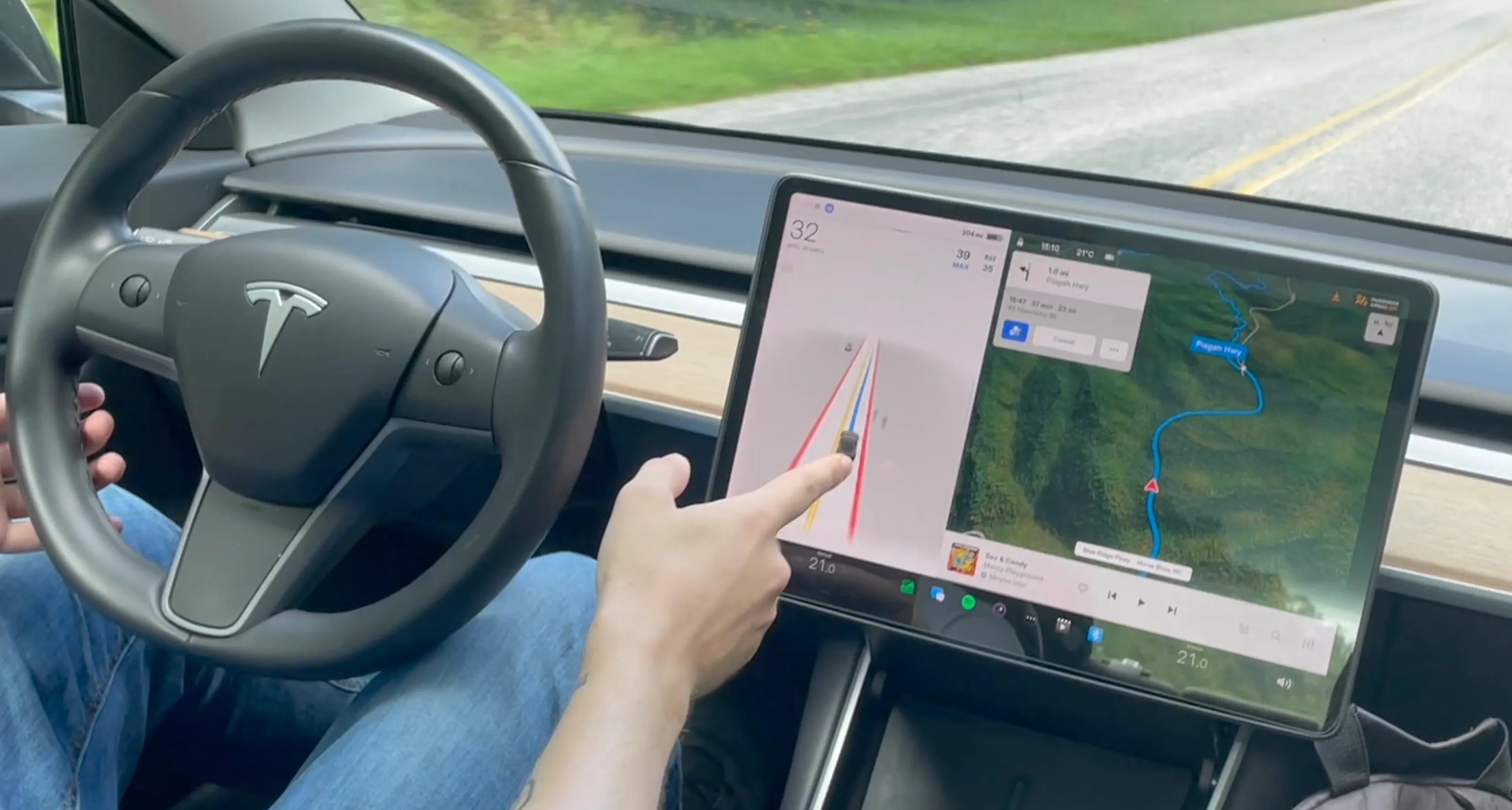
FSD is designed to guide a Tesla through complex routes, read and respond to traffic signs, and interact with other road users. But the system remains supervised. Drivers must stay alert and ready to intervene at all times.
For years, Tesla has promoted the idea that a future software update will unlock true eyes-off autonomy, yet such capability has not reached large-scale deployment. In the United States, Tesla is running a driverless robotaxi pilot in Austin using Model Y vehicles, and it intends to expand that program to other areas.
Why EU Approval Is Much Harder
Tesla’s rapid U.S. testing—often involving beta software used by regular drivers—has drawn criticism but was made possible by more permissive American safety regulations.
Europe operates under a different philosophy. The EU requires formal, feature-level approval before systems like FSD can be deployed widely. Tesla argues that once the Netherlands grants an exemption and signs off on its technology, other EU member states will likely follow more quickly. Still, the process remains highly structured and cautious, making any accelerated timeline uncertain.
What’s at Stake for Tesla
A successful Europe-wide approval would represent a major financial opportunity. FSD currently costs $8,000 upfront or $99 per month, making it one of Tesla’s most valuable software products at a time when its core vehicle sales face pressure.
Broader global approval—in Europe and eventually China—could drive recurring subscription revenue and help bolster Tesla’s margins. These incentives explain why the company has encouraged European owners to urge local regulators to move faster.

RDW Asks Tesla Owners to Stop Lobbying
But RDW has made its position clear: customer pressure will not affect the approval process.
“We thank everyone who has already done so, but would like to urge people not to contact us about this matter,” RDW wrote. “It takes up unnecessary time for our customer service. Furthermore, this will have no impact whatsoever on whether or not the schedule will be met.”
Recommend Reading: Tesla Robotaxi Expansion Plans Move Forward, But Full Autonomy Still Years Away

Share:
Kia Rebalances Its Strategy as Hybrid Demand Surges
China-Only AUDI EV SUV Revealed With Impressive Specs