



From Tech Jargon to Familiar Names
As electric vehicles move from early adoption to the mainstream, automakers are discovering that technical excellence alone is not enough. Software has improved, charging is faster, and driving range is no longer a daily concern for most buyers. Yet one surprisingly stubborn obstacle remains: what to call these cars.
For years, many EVs have launched with futuristic, abstract, or alphanumeric-heavy names that made sense internally but confused shoppers. Now, legacy automakers are starting to admit that naming matters more than they expected, especially when introducing unfamiliar technology to cautious buyers.

Why EV Names Became a Problem in the First Place
Early EV programs were often treated as separate experiments, not extensions of existing product lines. As a result, automakers leaned into names that sounded advanced or different, hoping to signal innovation. Unfortunately, many of those names ended up feeling cold, forgettable, or overly complex.
Models like Toyota bZ4X or Mercedes-Benz G580 with EQ Technology may convey engineering intent, but they do little to help customers instantly understand vehicle size, purpose, or price positioning. In a market where buyers already have questions about charging, range, and cost, unclear naming only adds friction.
Volkswagen Signals a Major Reset
Volkswagen appears ready to make one of the boldest moves yet. According to industry reports, the ID.4 is expected to be renamed the ID. Tiguan, aligning it directly with one of VW’s most recognizable gasoline models.
The strategy is straightforward: borrow trust from familiar nameplates instead of forcing customers to learn a new naming language. Volkswagen has already confirmed plans to move away from numeric-only EV names, with future electric models adopting titles from its existing lineup.
This approach aims to bring gasoline and electric vehicles closer together, making it easier for buyers to understand where an EV fits without needing a product guide.
Mercedes-Benz Reconsiders Its EV Identity
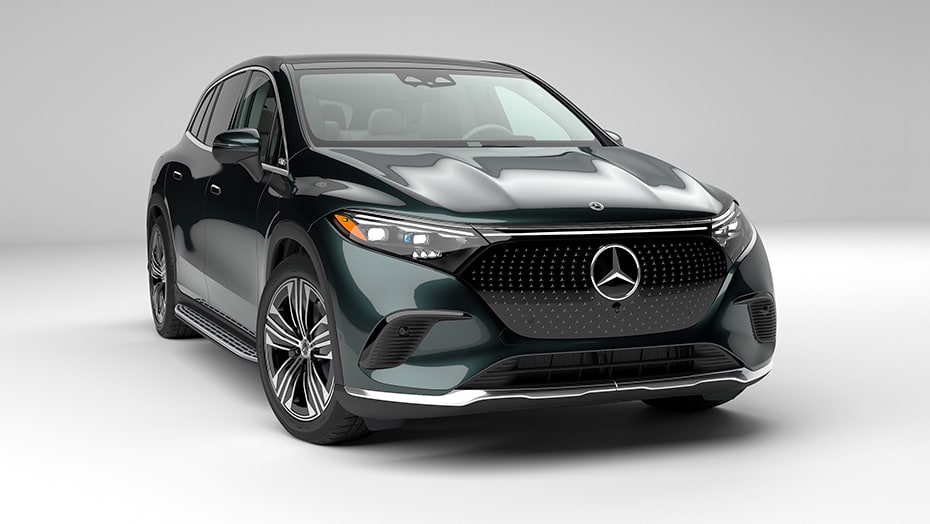
Mercedes-Benz is undergoing a similar shift, though from a different starting point. Its first wave of EVs, including the EQS and EQE, were clearly positioned as electric counterparts to established luxury sedans. Later, the brand layered on the phrase “with EQ Technology,” creating longer and more cumbersome names.
Now, Mercedes leadership has acknowledged that this level of differentiation may no longer be necessary. The company has hinted that future EVs could share the same core names as combustion models, with subtle identifiers added only where clarity is needed.
The goal is not to hide electrification, but to normalize it.
Toyota, Audi, and Volvo Take Different Paths
Toyota has opted for simplification rather than reinvention. Last year, it quietly removed the “Prime” branding from its plug-in hybrids, replacing it with clear, descriptive labels. The brand also shortened the bZ4X name to bZ, reducing confusion without abandoning its electric sub-brand entirely.
Audi initially experimented with separating EVs and gas models through numbering schemes, but has since reversed course. Going forward, electric Audis are expected to share names with their combustion siblings, distinguished by the familiar E-Tron label.
Volvo, meanwhile, has gone in the opposite direction. It has fully separated EVs from gas models by introducing a new EX naming structure, while keeping XC for combustion and hybrid vehicles. This creates clarity, but at the cost of requiring customers to learn a new system.

Why This Matters More Than It Seems
On paper, renaming a vehicle may seem cosmetic. In practice, it plays a crucial role in buyer confidence. Familiar names reduce perceived risk, especially for customers transitioning from gas to electric for the first time.
As EVs become less novel and more normal, automakers are realizing that clarity beats cleverness. The fewer barriers a buyer faces, the faster adoption can grow.
Recommend Reading: Trump Signals Openness to Chinese EV Makers—If They Build in America


Share:
Toyota Expands Its EV Lineup With Two New Crossovers and Clear Pricing
Volvo Is Reinventing Plug-In Hybrids to Drive More Like Electric Cars