



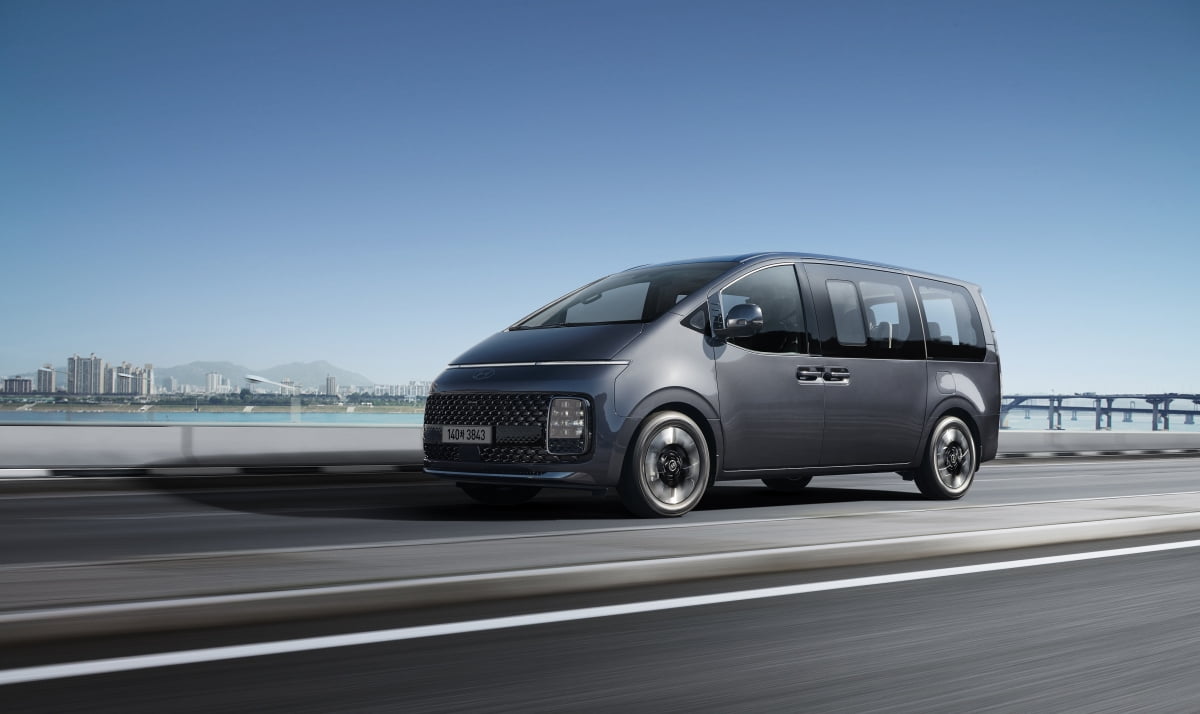
Hyundai Expands Its EV Lineup

Hyundai Motor Group has steadily grown its electric vehicle presence worldwide, with notable models like the Ioniq 5 and Ioniq 9 making waves in the U.S. market. Meanwhile, in Europe and South Korea, the lineup is even broader, including compact and versatile models that cater to urban and family needs.

Now, Hyundai is preparing to introduce its largest electric vehicle yet at the Brussels Motor Show in January 2026. This move reflects the company’s ongoing commitment to electrification and innovation in the EV sector.

Hyundai Prepares Its Largest Electric Van for European Debut


A New Era for Hyundai Vans

The new model is expected to be the Hyundai Staria EV, a full-size van that combines practicality with modern design. Since its introduction in 2021, the Staria has been sold worldwide in various passenger and cargo versions, featuring a sleek exterior, LED light bars, and refined Hyundai styling cues. Its versatility—previously offered with gas, hybrid, LPG, and diesel options—makes it a popular choice for families and commercial users alike.

With the EV variant, Hyundai aims to expand its appeal further, providing a zero-emission option for long-distance trips, urban deliveries, and daily commuting.


Battery and Range Expectations

While official specifications remain unconfirmed, reports suggest the Staria EV may use Hyundai’s fourth-generation 84-kWh lithium-ion NCM battery pack, similar to the one in the Ioniq 5 and Kia EV6. Some sources even hint at a larger 99-kWh battery option, which could provide a significant increase in driving range.

The smaller battery would likely offer approximately 325 kilometers (200 miles) of WLTP range, sufficient for most daily and weekend trips. The larger pack could cater to longer journeys or heavier cargo demands, giving European users more flexibility for personal and commercial use.


Advanced Charging Capabilities

One of the standout features of this new EV is its 800-volt electrical architecture, enabling exceptionally fast DC charging. This system allows compatible chargers to replenish the battery from 10% to 80% in roughly 20 minutes or less, making the vehicle highly practical for extended travel and busy commercial operations.

This technology positions the Staria EV as a competitive offering in Europe, where quick charging infrastructure is increasingly important for full-size electric vans.

Hyundai Prepares Its Largest Electric Van for European Debut


Availability and Market Considerations

At present, there is no indication that the Staria EV will arrive in the U.S. market. Hyundai is collaborating with General Motors to develop an electric van for North America, but details about timing and specifications remain uncertain.

For now, European consumers can expect a versatile, fully electric van that combines Hyundai’s design expertise, practical size, and advanced battery technology. The launch at the Brussels Motor Show will mark a significant step for Hyundai’s electrification strategy in Europe.

Recommend Reading: Hyundai Opens $817M Battery Campus to Advance Next-Gen EV Innovation

FAQs

How many miles can a Hyundai IONIQ 5 go on a full charge?

The Hyundai IONIQ 5 can go up to 303 miles on a full charge in its RWD Long Range configuration with the 77.4 kWh battery pack.

Which IONIQ 5 trim level offers the best range?

The IONIQ 5 SE RWD Long Range version delivers the highest EPA-estimated range of 303 miles, while the AWD trims provide around 266–270 miles.

Does all-wheel drive reduce the IONIQ 5's range?

Yes. AWD trims have slightly lower range due to added weight and dual motor load. The AWD Limited model offers approximately 266 miles per charge.

What is the real-world range of the IONIQ 5 on the highway?

At 70–75 mph, the real-world range of the IONIQ 5 is typically between 240 and 270 miles, depending on temperature, terrain, and speed consistency.

How does cold weather impact the IONIQ 5’s driving range?

In cold climates, range can drop by 20% to 30% due to battery efficiency loss and increased energy use for heating. The optional heat pump system helps reduce range loss in winter.

How long does it take to fully charge a Hyundai IONIQ 5?

Using a Level 2 home charger (240V), a full charge takes about 6–8 hours. With an 800V ultra-fast DC charger, the IONIQ 5 can charge from 10% to 80% in just 18 minutes.

Is the IONIQ 5 good for long road trips?

Yes. With up to 303 miles of range and access to ultra-fast charging infrastructure, the IONIQ 5 is ideal for long-distance travel in North America.

How does the IONIQ 5 compare to the Kia EV6 in range?

The Kia EV6 RWD slightly outperforms the IONIQ 5 by 5–10 miles, thanks to better aerodynamics. Both share the same E-GMP platform and battery systems.

What affects the IONIQ 5’s full-charge range the most?

Key factors include driving speed, climate conditions, battery temperature, tire pressure, and cargo load. Gentle driving can help maximize range per charge.

Does battery degradation reduce IONIQ 5’s range over time?

Yes. Over time, all EV batteries degrade. Most IONIQ 5 owners report 5% to 10% loss in range after 100,000 miles. Hyundai offers an 8-year / 100,000-mile battery warranty.

EV News

View all

Volkswagen’s Scout Terra Revealed With Rivian-Inspired EV Features

Volkswagen’s Scout Terra Revealed With Rivian-Inspired EV Features

Volkswagen’s Scout Terra EV pickup showcases Rivian-inspired features, a 500-mile Harvester EREV, and versatile interior tools. Pricing may be high, but the truck offers adventure-ready functionality.

Read more

Waymo Explains Why Robotaxis Stalled During San Francisco Power Outage

Waymo Explains Why Robotaxis Stalled During San Francisco Power Outage

During a major San Francisco power outage, Waymo’s robotaxis stalled due to a backlog of confirmation requests for dark traffic lights. The company is updating its fleet to improve handling of outages.

Read more

Renault Filante Demonstrates Exceptional EV Efficiency on Highway

Renault Filante Demonstrates Exceptional EV Efficiency on Highway

Renault’s Filante EV drove 626 miles at highway speeds, averaging almost 8 miles per kWh. Its low weight, aerodynamics, and energy-saving systems highlight future efficiency gains for production EVs.

Read more