




Rivian Sets Its Sights on Advanced Autonomy
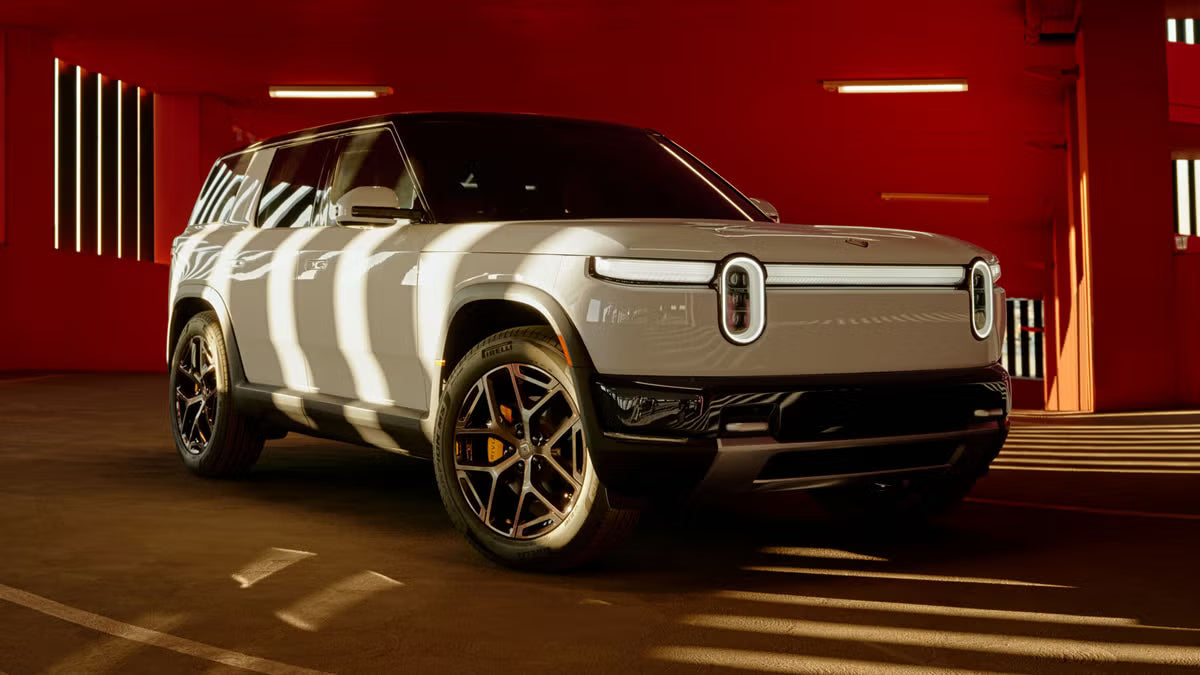
Rivian used its first Autonomy and AI Day to outline an ambitious strategy for next-generation driver assistance, software-driven innovation, and long-term autonomy development. The company confirmed that the upcoming R2 will be the most affordable U.S. vehicle to launch with lidar, supporting more sophisticated automated-driving features as Rivian builds toward future Level 4 capability.
While consumer L4 systems remain years away, Rivian says it now has “a clear trajectory toward point-to-point, eyes-off and personal Level 4” driving. These systems will run on the new Rivian Autonomy Platform, an AI-powered ecosystem that continuously trains models using real-world driver data.
Introducing the Rivian Autonomy Platform
The Rivian Autonomy Platform establishes an end-to-end data loop that captures real-world events—such as near misses, complex intersections, or driver interventions—then uploads them via LTE or Wi-Fi. This information is used to refine Rivian’s neural networks, which the company says are architecturally similar to large language models used by today’s AI leaders.
The platform will launch on the R2 and the second-generation R1S and R1T. First-generation models lack the necessary hardware and will not receive these capabilities.
Universal Hands-Free: Rivian’s New Assisted-Driving Upgrade
One of the headline reveals is Universal Hands-Free (UHF), a major expansion of Rivian’s existing highway assistance. Unlike the prior system, which worked only on roughly 150,000 miles of pre-mapped roads, UHF works on any road with clearly painted lane markings—about 3.5 million miles across the U.S. and Canada.
UHF provides hands-off lane following and adaptive distance control. However, it does not handle traffic-light stops or 90-degree turns at launch.
Rivian will offer UHF through a subscription program called Autonomy+, priced at $2,500 one-time or $49.99 per month beginning early next year.
Why Hands-Free Systems Matter
Although subscription fatigue is real, hands-free driving has become one of the most requested features among new-car buyers. Rivian executives say owners consistently cite it as a top priority, especially for long trips.
According to Rivian VP of Autonomy and AI James Philbin, extended drives can leave drivers mentally drained. Hands-free assistance can reduce fatigue, even when the driver still needs to monitor the road.
Rivian’s strategy differs from Tesla’s approach. Rivian continues to use radar alongside cameras, and the R2’s lidar option adds another layer of sensing that Tesla has rejected. The company says its system will evolve rapidly as more fleet data is fed back into its AI models.
Rivian Introduces Its New AI Voice Assistant
The company also revealed Rivian Assistant, a conversational AI tool designed to control vehicle functions and answer questions naturally. Launching early next year on both Gen 1 and Gen 2 R1 vehicles, the assistant draws on multiple large language models to interpret commands and carry out tasks.
Drivers will be able to adjust climate settings, open the frunk, manage navigation, or even sync with Google Calendar to schedule, modify, or navigate to appointments. Rivian joins a growing field—Mercedes-Benz and Tesla are rolling out similar AI systems—but aims to distinguish itself through deeper integration and more natural interaction.

A Critical Step Toward Rivian’s Next Phase
As Rivian prepares for a pivotal year with the R2 launch, autonomy and AI advancements will be central to maintaining momentum. Although the company still must prove the safety and daily usability of these features, the expanded autonomy roadmap and new software capabilities offer a pathway to keeping its lineup competitive for years to come.
Recommend Reading:
Share:
Rivian Sets Stage for Major Autonomy Push With First AI & Driver-Tech Showcase
Rivian Equips R2 With Lidar for Next-Gen Autonomy