



Research Examines How Automakers Build Cleaner EV Supply Chains
A recent analysis from environmental advocacy organization Lead The Charge attempts to measure how responsibly electric vehicles are produced, focusing not on driving emissions but on the environmental and social impact of manufacturing. The report evaluates 18 major global automakers, comparing how effectively they reduce pollution across their supply chains and manage the sourcing of battery materials.
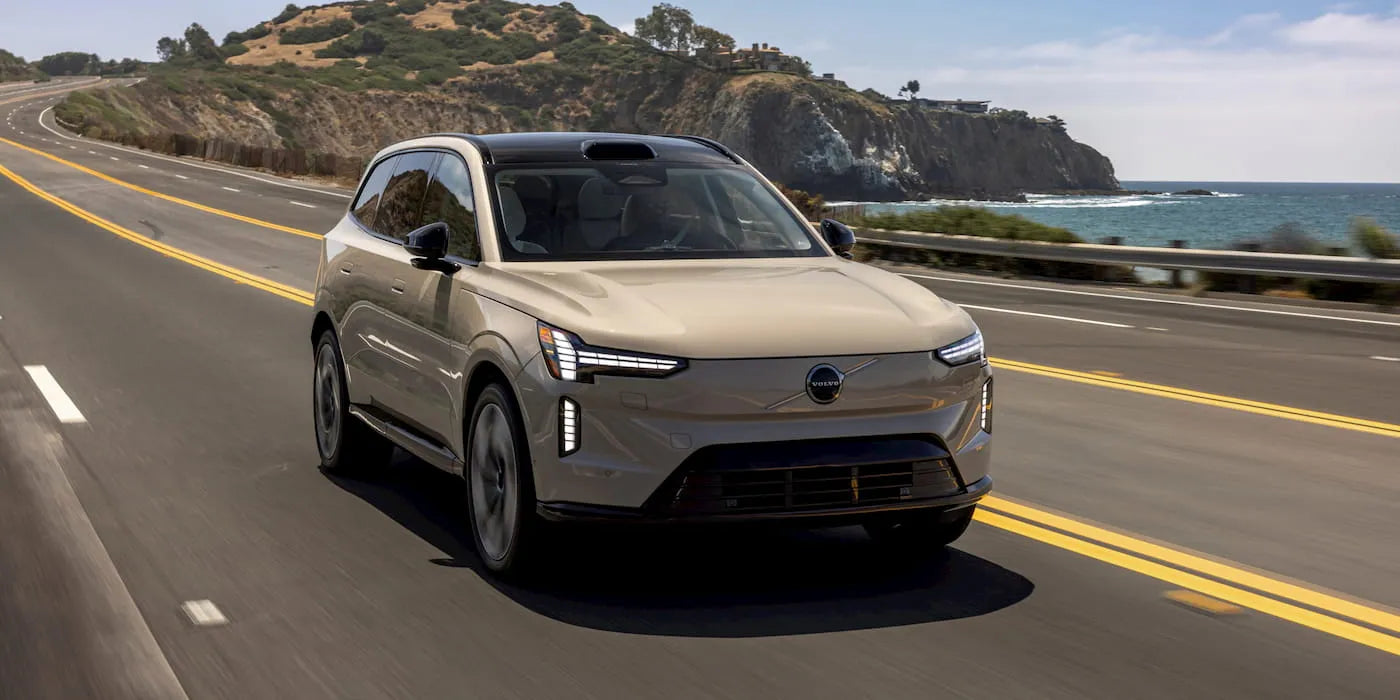
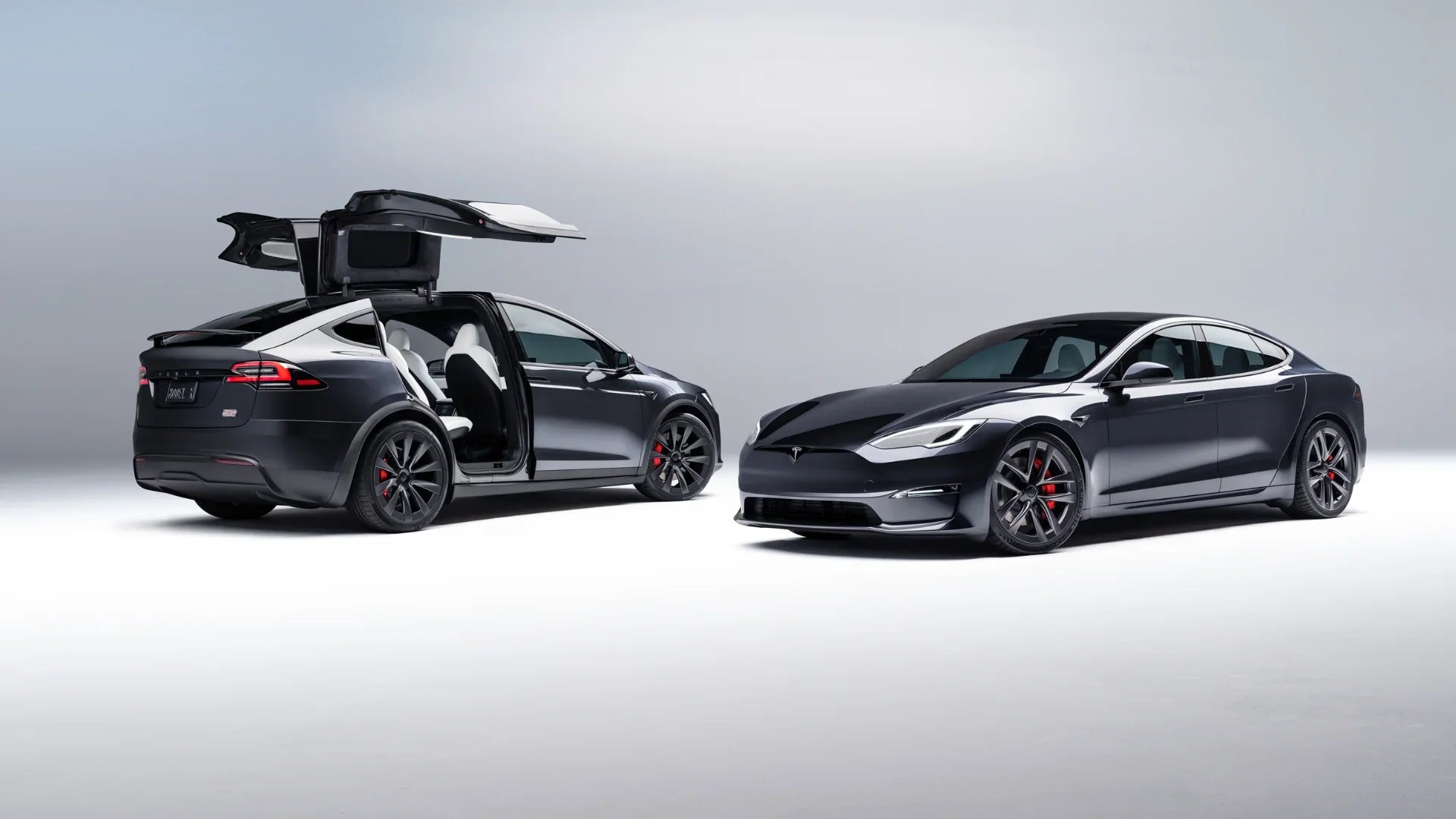
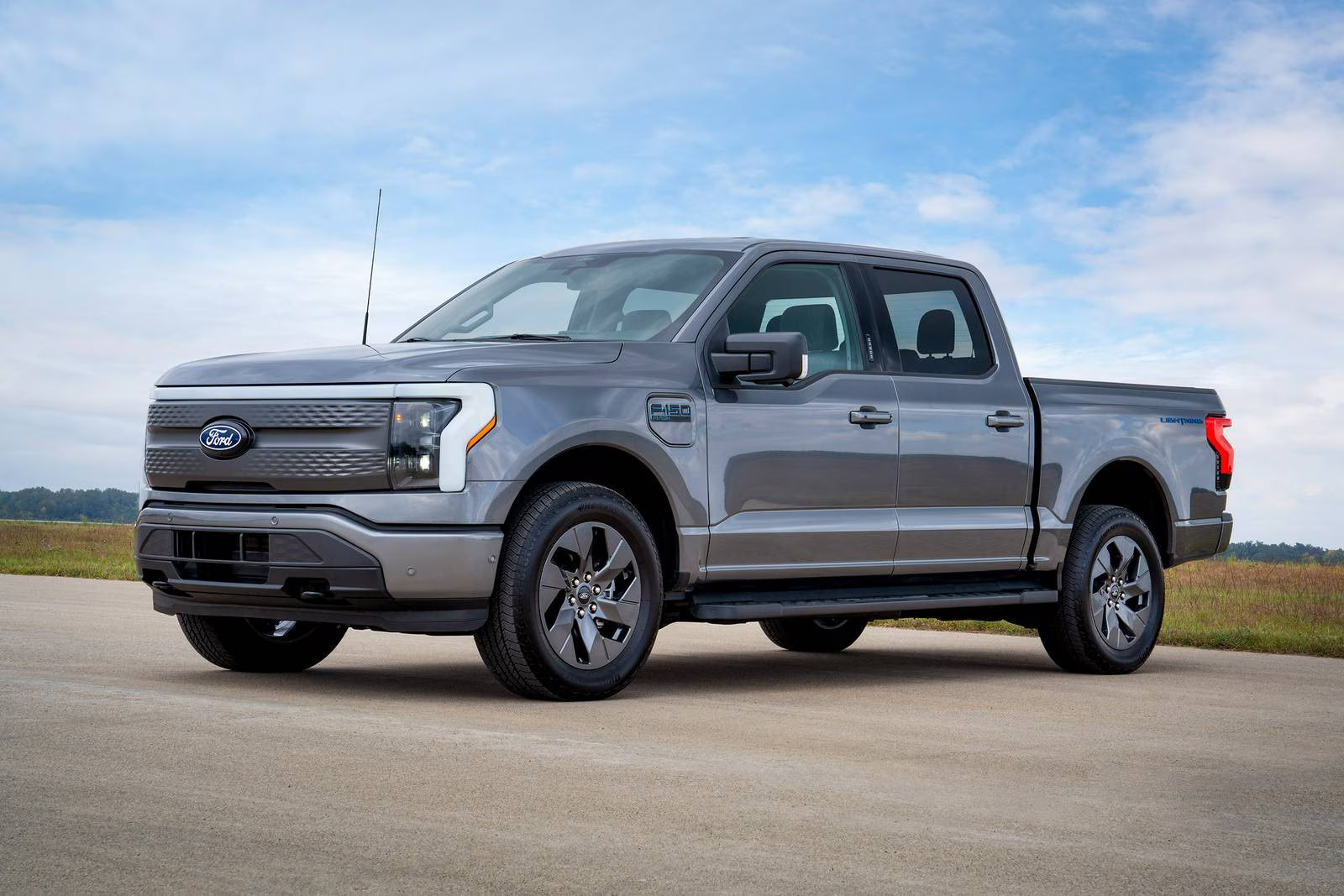
The findings suggest that several manufacturers based in North America and Europe are currently making more progress toward cleaner production systems than many competitors from China and Japan. According to the ranking, Tesla achieved the highest overall score, followed by Ford and Volvo, indicating relatively stronger efforts in reducing emissions during manufacturing and improving sourcing practices.
The study highlights the growing importance of evaluating not just how electric vehicles operate, but how they are built. As EV adoption expands worldwide, attention is shifting toward the environmental cost of producing batteries, metals, and other critical components.

Why Manufacturing Matters for the EV Climate Debate
There is broad scientific agreement that electric vehicles generate far fewer emissions over their lifetime than gasoline or diesel-powered cars. Because of this advantage, EVs are widely viewed as an essential tool for cutting greenhouse gas emissions in the transportation sector.
However, the environmental story behind electric vehicles does not end with their operation. Manufacturing EVs—particularly batteries—requires large amounts of energy and raw materials. In many regions, electricity used in industrial production still comes from coal or other fossil fuels, which contributes to carbon emissions during the manufacturing phase.
Battery production also depends heavily on minerals such as lithium, nickel, and cobalt. Mining operations linked to these materials have raised serious concerns in recent years, including environmental damage and allegations of labor abuses. The Democratic Republic of Congo, a major source of cobalt, has frequently been cited in discussions about worker safety and child labor within global supply chains.
Because of these concerns, analysts increasingly examine how carmakers obtain raw materials and how they reduce pollution during manufacturing.
How the Study Evaluated Automakers
To determine which companies are making the most progress, Lead The Charge assessed manufacturers using more than 80 separate indicators. The evaluation covered several aspects of production, including:
-
Carbon emissions associated with producing steel, aluminum, and batteries
-
Efforts to transition manufacturing toward renewable energy
-
Policies addressing labor rights and worker protections
-
Measures aimed at protecting indigenous communities affected by mining
-
Transparency around sourcing and supply chain management
When averaged across all companies studied, the results show relatively modest progress. Automakers scored 24% on average for efforts aimed at reducing fossil fuel dependence and environmental damage in their supply chains. That figure represents a five-percentage-point improvement compared with the previous year, suggesting gradual movement in the right direction.
The average score for responsible sourcing and human rights practices reached 27%, indicating that many manufacturers still face significant challenges in improving transparency and accountability.
Which Automakers Ranked Highest
Among the companies examined, Tesla placed first with an overall score of 49%, reflecting comparatively stronger policies around supply chain emissions and material sourcing. Ford followed with 45%, while Volvo earned 44%.
Other manufacturers rounding out the top tier included Mercedes-Benz, which achieved 41%, and Volkswagen, scoring 39%. These companies generally performed better in areas such as reporting emissions from raw material production and committing to cleaner energy use within manufacturing operations.
In contrast, several companies finished near the bottom of the ranking. BYD, Toyota, Honda, GAC, and SAIC were among those receiving the lowest scores in the evaluation. The report noted that these manufacturers often lacked clear commitments or measurable progress in reducing emissions from certain key materials used in vehicle construction.
Persistent Gaps Between Promises and Action
One major conclusion from the study is the gap between corporate pledges and measurable outcomes. Many carmakers have announced ambitious climate goals, but according to the analysis, those commitments do not always translate into specific actions or transparent reporting.
The report pointed to Toyota, BYD, and Honda as examples, noting that these companies scored 0% on indicators related to reducing emissions in their steel supply chains. Steel production is one of the most carbon-intensive industrial activities worldwide, making it a crucial area for decarbonization if EV manufacturing is to become significantly cleaner.
Without meaningful progress in these upstream industries, the environmental benefits of electric vehicles could be partially offset by emissions generated during production.
Improvements in Battery Sustainability
Despite these challenges, the report also identified signs of progress in certain areas, particularly battery design and recycling.
Toyota, for instance, improved its position in battery sustainability rankings by introducing a design intended to make battery packs easier to disassemble, which could simplify recycling and material recovery in the future.
The companies showing the most improvement in battery supply chain practices included Tesla, Renault, Mercedes-Benz, Volkswagen, and Ford. These manufacturers have introduced initiatives aimed at improving material traceability, reducing production emissions, and expanding recycling programs.
Such efforts could play an important role as the global EV market continues to expand and demand for battery materials increases.

A Long Road Toward Fully Sustainable EV Production
While the study highlights several companies making meaningful progress, it also underscores how much work remains. Even the highest-ranked manufacturer scored below 50%, and the overall industry average of 24% suggests that large portions of the supply chain still rely heavily on carbon-intensive processes.
For environmental advocates, this indicates that building truly sustainable electric vehicles requires deeper changes beyond simply replacing combustion engines with batteries. Cleaner industrial energy, responsible mining practices, and improved recycling systems will all be necessary to reduce the environmental footprint of EV manufacturing.
As governments tighten climate regulations and consumers demand greater transparency, pressure on automakers to transform their supply chains is likely to increase. The study’s authors argue that meaningful progress is achievable—but only if companies move from broad commitments to measurable action.
Recommend Reading: Study Finds Electric Vehicles Are Already Reducing Urban Air Pollution

Share:
Hyundai Ioniq 6 Likely Leaving U.S. Market After 2025 Model Year
Volkswagen Dealers Sue Scout Motors Over Direct EV Sales Plan